Revealed: major oil firms make $93bn profits amid war and climate crisis
Eight major oil companies made $93bn in profits over three months as the Iran conflict sent energy prices soaring and the climate crisis caused deadly heatwaves.
Intelligence analysis by Llama
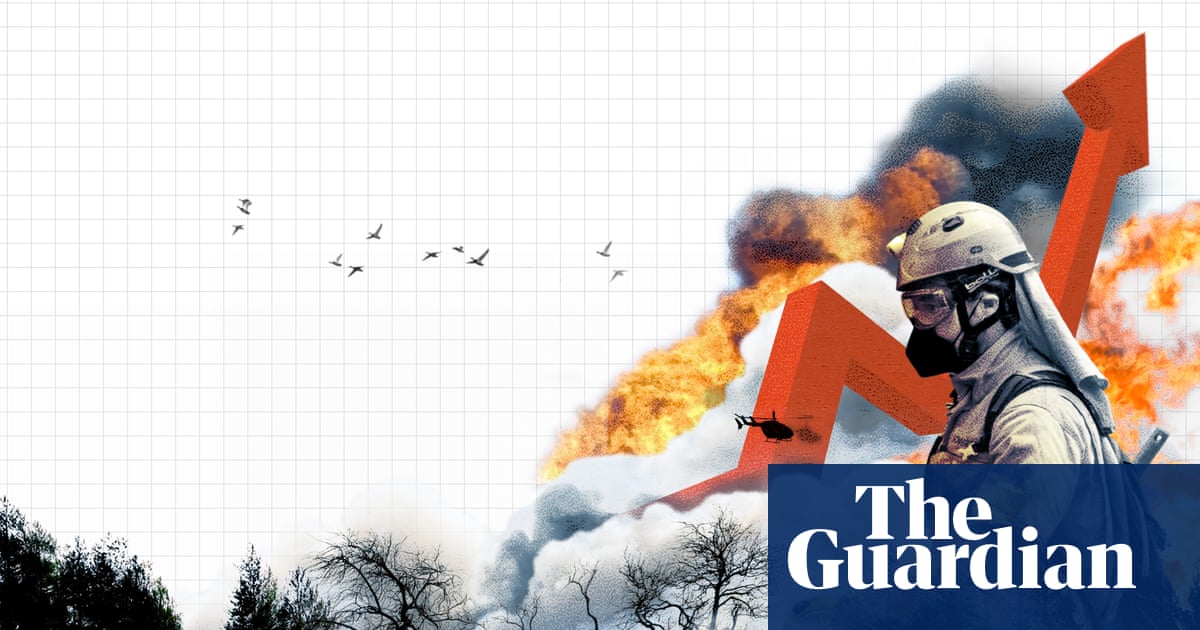
The eight listed oil producers made almost $93bn in the three months to the end of June, with campaigners warning that millions of households are left paying the price in higher bills and climate chaos.
Imagine a world where companies that make oil are making so much money that they can afford to pay for the damage they're causing to the planet. That's what's happening right now, and it's not good. The companies are making so much money that they can afford to pay for the damage they're causing to the planet, but they're not doing it. Instead, they're using the money to make even more oil and make even more money.
Analysis
A $60B Vote of Confidence
The eight listed oil producers made almost $93bn in the three months to the end of June, with the biggest oil profits in the spring quarter raked in by Saudi Arabia's state-owned oil company, Aramco, which reported a 34% increase in its quarterly net income to more than $33bn. The windfall war profits have reignited calls for oil and gas supermajors such as Saudi Aramco and BP to pay for the environmental damage caused by 'cashing in on human misery' and fund a rapid transition to renewable energy.
Why Cursor?
The data suggests the eight oil companies – Aramco, BP, Shell, Equinor, TotalEnergies, Eni, Chevron and ExxonMobil – made more than $700,000 of profit every minute over the spring quarter. While their market valuations were swelling by about $600bn to above $3tn, temperatures built towards a run of deadly heatwaves, all made more likely and more severe by burning fossil fuels. Carbon emissions from the world's biggest fossil fuel firms were directly linked to fatal spells of hot weather for the first time by scientific analysis published last September.
The Road Ahead
BP's new chief executive, Meg O'Neill, defended the company's profits by saying it was 'focused on the things we can do to try to help address the situation' such as reliably producing more of the oil products that were in short supply. The company has been cutting the amount it spends on green energy since it dropped its environmental ambitions in a 'fundamental reset' early last year, reducing its annual energy transition budget from $5bn to $1.5bn-$2bn.
Key points
- Eight major oil companies made $93bn in profits over three months.
- The profits were made amid the Iran conflict and the climate crisis.
- Campaigners are calling for the oil companies to pay for the environmental damage they're causing.
- BP's new chief executive, Meg O'Neill, defended the company's profits by saying it was 'focused on the things we can do to try to help address the situation'.
If the oil companies were to start paying for the environmental damage they're causing, it could lead to a rapid transition to renewable energy and a reduction in greenhouse gas emissions. This could also lead to a decrease in energy costs for households and a reduction in the number of heatwaves caused by climate change.
If the oil companies continue to prioritize profits over the environment, it could lead to catastrophic consequences such as more frequent and severe heatwaves, droughts, and other extreme weather events. This could also lead to a decrease in the quality of life for millions of people and a increase in the number of people affected by climate change.
Market signals
- Oil The Iran conflict sent energy prices soaring, leading to a surge in oil profits for the eight listed oil producers.
AI-generated analysis of potential market relevance. Not financial advice.