BP profits highest in four years as Iran war pushes up oil price
BP reported a $5.73bn profit in Q2, its highest in four years, driven by a surge in oil prices due to Middle East conflict. The company is also divesting from renewable energy assets.
Intelligence analysis by Gemini 2.5 Flash Lite
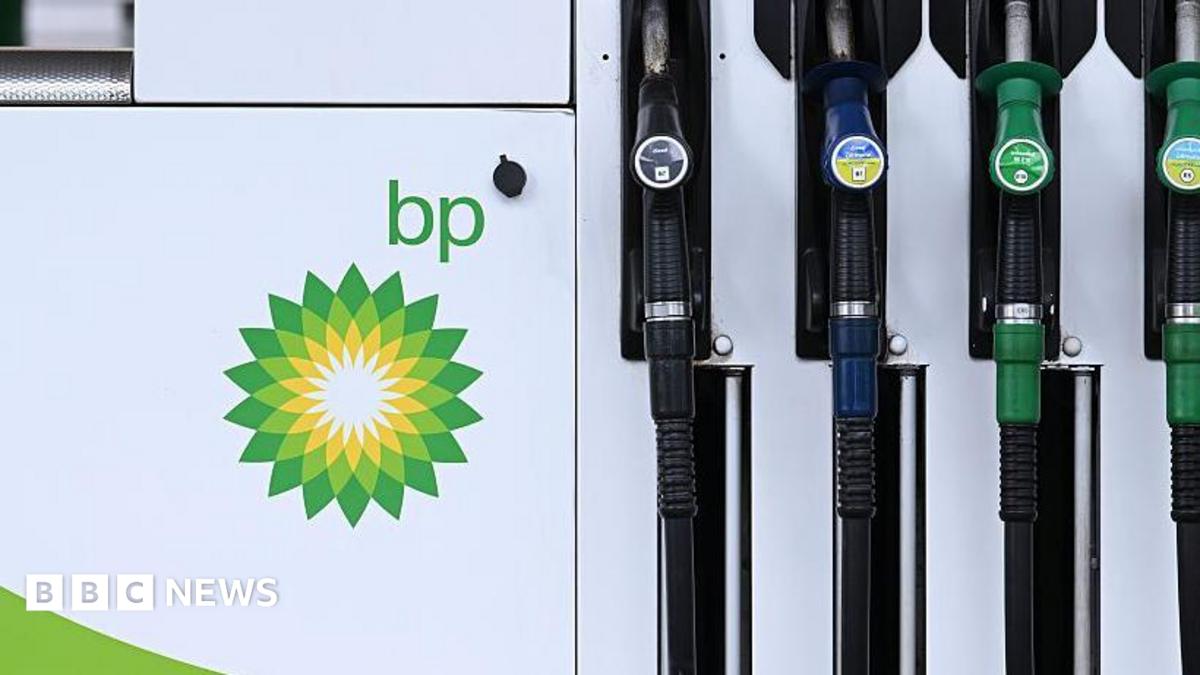
BP's quarterly profits have reached a four-year high, significantly boosted by escalating oil prices stemming from the conflict in the Middle East. This financial surge comes as the company pivots away from clean energy investments, prioritizing assets with stronger return potential.
Imagine BP is like a big lemonade stand. When there's a storm far away that makes it hard for other stands to get lemons, the price of lemons goes way up. BP, which has lots of lemons, can then sell its lemonade for a lot more money, making a huge profit. But even though they're making lots of money, they're deciding to sell their special "healthy water" stand to focus only on the super profitable lemonade.
Analysis
A Windfall Fueled by Conflict
The recent surge in BP's profits to $5.73 billion in the second quarter marks a significant financial rebound, reaching levels not seen in four years. This substantial increase, more than double the profit from the same period last year, is directly attributable to the geopolitical tensions in the Middle East, specifically the conflict involving Iran. The disruption to global oil and gas supplies, particularly through the critical Strait of Hormuz, has sent crude oil prices soaring. The global benchmark, Brent crude, averaged $103.85 a barrel in the quarter, a stark contrast to $67.88 a year prior. This price differential has translated into massive gains for oil producers like BP, underscoring the direct correlation between international conflict and energy market profitability.
Strategic Pivot Away from Green Energy
Amidst this profit boom, BP's strategic direction appears to be shifting. Chief Executive Meg O'Neill has articulated a focus on "value, not sentiment or history," indicating a prioritization of assets with the strongest potential for competitive returns and long-term financial gain. This philosophy is evidenced by the company's decision to sell its US renewable natural gas business, Archaea, and its intention to divest its North Sea operations, which have been a part of its business for six decades. These moves signal a move away from clean energy initiatives and a renewed emphasis on traditional, high-return oil and gas assets, a strategy that environmental campaigners have criticized as short-sighted and detrimental to public good.
Broader Economic and Environmental Implications
The implications of BP's profit surge and strategic recalibration extend beyond the company's balance sheet. The rise in oil prices directly contributes to higher petrol, diesel, and domestic energy costs for consumers worldwide, exacerbating inflationary pressures. Environmental groups like Greenpeace have voiced strong opposition, labeling the company's profits as "profiteering" and urging a complete cessation of North Sea oil extraction. The company's decision to prioritize fossil fuel assets over renewable energy investments raises critical questions about the pace of the global energy transition and the role of major oil corporations in addressing climate change, especially when their financial performance is so heavily tied to volatile geopolitical events.
Key points
- BP reported a four-year high profit of $5.73bn in Q2, more than double last year's figure.
- Soaring oil prices, driven by Middle East conflict, significantly boosted BP's earnings.
- The company is divesting from renewable energy assets, including its US renewable natural gas business.
- BP is also selling its North Sea operations, ending 60 years of production in the region.
- Environmental campaigners criticized BP for "profiteering" and urged a faster move away from fossil fuels.
BP's focus on high-return assets could lead to increased shareholder value and a more resilient financial position, enabling it to navigate future market volatility. This strategy might also free up capital for more targeted, profitable investments in the energy sector.
The company's divestment from renewable energy and prioritization of fossil fuels could hinder the global transition to cleaner energy sources and leave BP vulnerable to future regulatory changes or shifts in energy demand.