Trump Fed chair’s inflation strategy: leave it to the market
Kevin Warsh, the Federal Reserve chair, has proposed that the market do its job in tightening financial conditions without the Fed's intervention, sparking concerns about the central bank's credibility as an economic steward.
Intelligence analysis by Llama
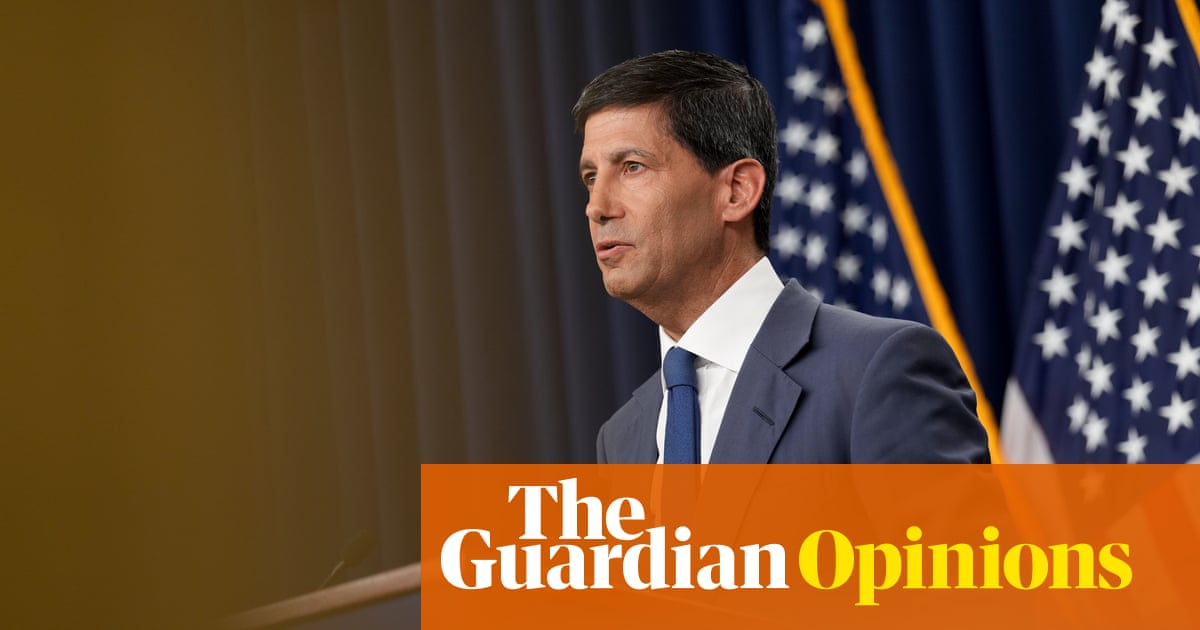
Kevin Warsh, the Federal Reserve chair, has proposed that the market do its job in tightening financial conditions without the Fed's intervention, sparking concerns about the central bank's credibility as an economic steward. The markets have reacted negatively to this proposal, with the price of US government bonds sinking and long-term interest rates rising.
Imagine you're playing a game where you have to make decisions about how much money to lend to people. If you lend too much money, the game gets too easy and people start to take risks. But if you lend too little money, the game gets too hard and people get frustrated. The Federal Reserve is like the game master, and it has to make decisions about how much money to lend to people. If it lends too much money, it can lead to inflation, which means that prices go up. But if it lends too little money, it can lead to a recession, which means that people lose their jobs. Kevin Warsh, the head of the Federal Reserve, wants to let the game players (the people who lend and borrow money) make their own decisions about how much money to lend. This is like saying, 'Hey, you guys are good at this game, let's just let you play it and see what happens.' But some people are worried that this will lead to problems, like inflation or a recession.
Analysis
A $60B Vote of Confidence
Kevin Warsh's proposal to leave inflation management to the market has sparked concerns about the Federal Reserve's credibility as an economic steward. The markets have reacted negatively to this proposal, with the price of US government bonds sinking and long-term interest rates rising. This is not the first time that the Fed has been criticized for its handling of inflation. In the past, the Fed has been accused of being too slow to respond to rising inflation, which has led to higher interest rates and reduced economic growth.
Why Cursor?
Warsh's proposal is not without its merits. By allowing the market to do its job in tightening financial conditions, the Fed may be able to avoid some of the negative consequences of its own actions. For example, if the Fed were to raise interest rates to combat inflation, it could lead to higher borrowing costs for businesses and households, which could slow down economic growth. By leaving it to the market, the Fed may be able to avoid some of these negative consequences.
The Road Ahead
Despite the potential benefits of Warsh's proposal, it is unclear whether it will be effective in managing inflation. The markets have already reacted negatively to this proposal, and it is unclear whether the Fed will be able to regain its credibility as an economic steward. In the short term, the proposal may lead to higher interest rates and reduced economic growth. However, in the long term, it may be beneficial for the economy if the Fed is able to avoid some of the negative consequences of its own actions.
Key points
- Kevin Warsh, the Federal Reserve chair, has proposed that the market do its job in tightening financial conditions without the Fed's intervention.
- The markets have reacted negatively to this proposal, with the price of US government bonds sinking and long-term interest rates rising.
- Warsh's proposal has significant implications for the US economy and the role of the Federal Reserve in managing inflation.
- The Fed may be able to avoid some of the negative consequences of its own actions by allowing the market to do its job in tightening financial conditions.
- However, it is unclear whether Warsh's proposal will be effective in managing inflation and whether the Fed will be able to regain its credibility as an economic steward.
If Warsh's proposal is successful, it could lead to a more stable and predictable economy. By allowing the market to do its job in tightening financial conditions, the Fed may be able to avoid some of the negative consequences of its own actions. This could lead to higher economic growth and lower inflation.
If Warsh's proposal is unsuccessful, it could lead to higher interest rates and reduced economic growth. The markets have already reacted negatively to this proposal, and it is unclear whether the Fed will be able to regain its credibility as an economic steward. This could lead to a recession and higher unemployment.