Burgers cost more this summer, but farmers say they're not cashing in
The prices of burgers and fast food have risen sharply, but farmers and food producers say they are not earning more. The rising cost of beef, bread buns, and bagged salad has been labelled 'burgerflation'.
Intelligence analysis by Llama
Farmers and food producers are not earning more despite the rising cost of burgers and fast food. The prices of beef, bread buns, and bagged salad have risen sharply, but farmers say they are not benefiting from the price increases.
Burgers are getting more expensive, but farmers are not getting more money for their food. This is because the cost of producing food is going up, and farmers are not getting the benefits of the price increases.
Analysis
The Rise of Burgerflation
The prices of burgers and fast food have risen sharply in recent months, with the cost of beef, bread buns, and bagged salad increasing by as much as 9% in some cases. This has led to a rise in the cost of a typical burger, with some outlets now charging as much as £6 or £7 for a basic meal. However, despite the price increases, farmers and food producers say they are not earning more. In fact, many are struggling to make ends meet, with rising costs for fuel, fertiliser, and other inputs eating into their profits.
The Impact on Farmers
Farmers are feeling the pinch as the cost of producing food continues to rise. The price of beef, for example, has fallen by 8% in recent months, despite the fact that consumers are paying more for burgers. This has left many farmers struggling to make a profit, with some even considering changing jobs. Mathew Brankley, a farmer from East Yorkshire, says that he is no better off despite the price increases. 'There's a lot of people that are taking a cut from what the customer pays in the supermarket before any of it gets back to the farmer,' he says.
The Role of the Government
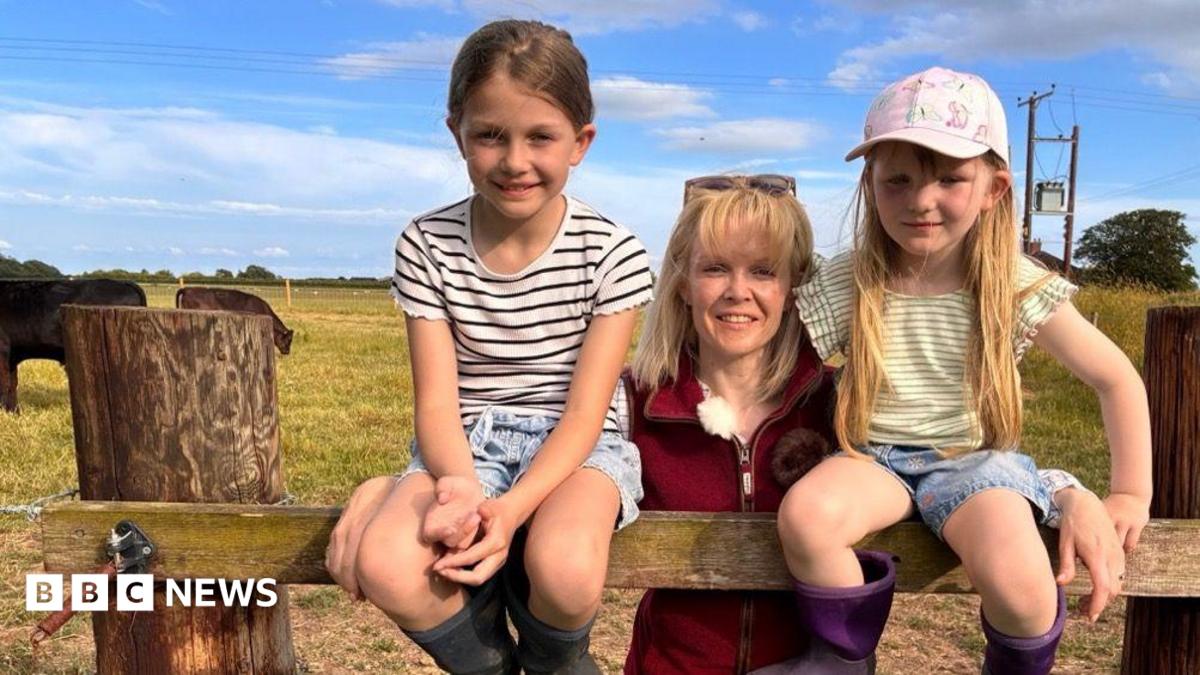
The government has been accused of not doing enough to support farmers and food producers. A Defra spokesperson says that the government is 'backing our hard-working farmers, investing a record £11.8bn – more than any previous government'. However, many farmers say that this is not enough, and that they need more support to survive in the current economic climate. Heather Oldfield, a cattle farmer from Lincolnshire, says that she must cover her costs to ensure the farm survives for her daughters, who want to be farmers. 'How do we shore the business up into a place that's right for them to come into without saddling them with a lot of debt?' she asks.
The Future of Food
The rising cost of burgers and fast food has significant implications for the future of food in the UK. As consumers become increasingly aware of the environmental and social impact of their food choices, there is a growing demand for more sustainable and locally sourced produce. However, this is not always possible, and many farmers are struggling to make a profit in the current economic climate. The government must do more to support farmers and food producers, and to ensure that the UK's food system is sustainable and equitable for all.
Key points
- The prices of burgers and fast food have risen sharply in recent months.
- Farmers and food producers say they are not earning more despite the price increases.
- Rising costs for fuel, fertiliser, and other inputs are eating into farmers' profits.
- The government has been accused of not doing enough to support farmers and food producers.
- There is a growing demand for more sustainable and locally sourced produce.
If the government provides more support to farmers and food producers, they may be able to increase their profits and make a more sustainable living. This could lead to more affordable and locally sourced food for consumers.
If the cost of producing food continues to rise, farmers may struggle to make a profit and may be forced to change jobs. This could lead to a shortage of locally sourced food and increased prices for consumers.