Burnham brings forward ban on 'subscription traps' to ease cost of living
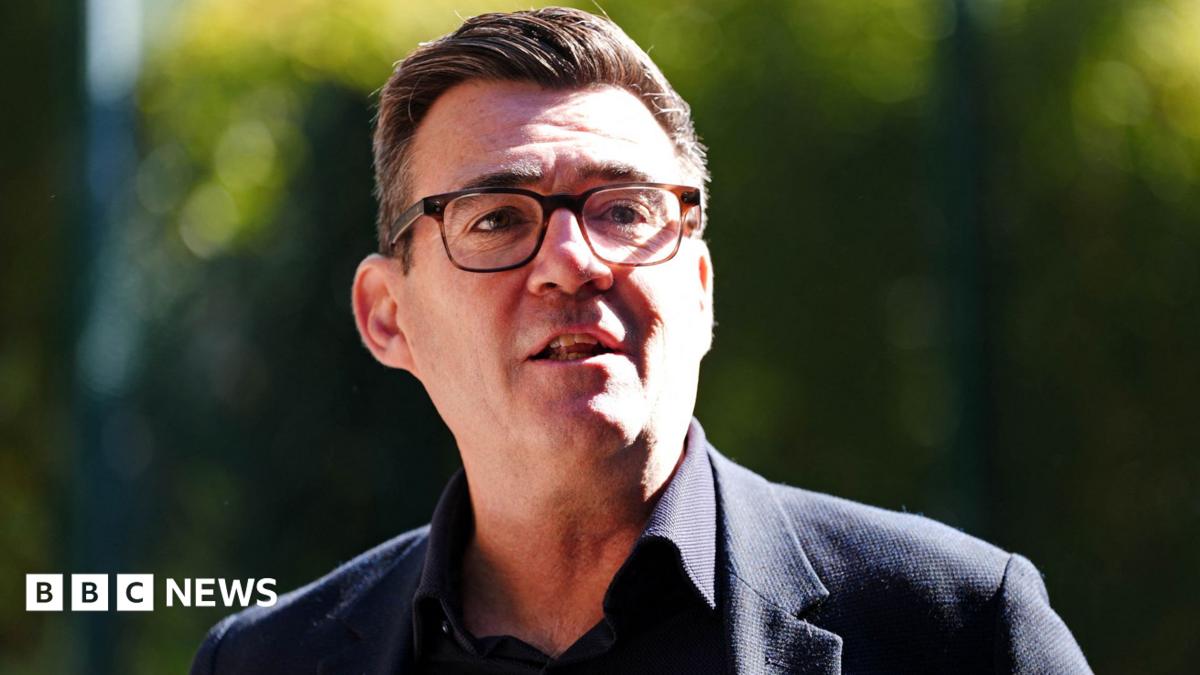
Prime Minister Andy Burnham has announced plans to bring forward legislation making subscriptions easier to cancel and outlawing misleading 'pretend prices' in shops, aiming to alleviate cost of living pressures.
Intelligence analysis by Gemini 2.5 Flash
The government is accelerating measures initially planned by the previous administration to tackle 'subscription traps' and 'pretend prices,' which trick consumers into thinking they are getting better value. These changes, expected to save consumers hundreds of millions annually, are part of Burnham's broader strategy to provide 'everyday fixes' amid high living costs.
Imagine you sign up for a free trial of a fun game, but then the company secretly starts charging your parents every month without telling them, even if you don't play anymore! Or a toy store says a toy 'was' £50 but is now £20, even though it was never really £50. The government wants to stop these tricks so it's easier for grown-ups to cancel things they don't want and make sure prices are always fair, helping families save money.
Analysis
Subscription Traps
Prime Minister Andy Burnham's government is fast-tracking legislation designed to combat 'subscription traps,' a significant issue for consumers. These measures will compel businesses to offer clearer upfront information regarding contracts, provide regular reminders about renewals, and establish much simpler exit routes for customers wishing to cancel services. The goal is to prevent situations where individuals are unknowingly rolled from free or discounted trials into full-cost contracts, or caught out by unexpected auto-renewals, which the Department for Business and Trade previously estimated affect millions of people across the UK.
The acceleration of these plans, originally announced in April and now slated for implementation by January 2027 instead of next spring, underscores the government's urgency in addressing the cost of living crisis. The previous government had projected these changes would save consumers a collective £400 million annually, or up to £170 per person. This financial relief is crucial for households grappling with high expenses, aiming to provide them with 'room to breathe' by ensuring they only pay for services they genuinely want and understand.
Pretend Prices
Beyond subscription reforms, Burnham is also vowing to end the use of 'pretend prices' by retailers. This practice involves shops advertising misleading 'was' prices, fabricated discounts, or deceptive recommended retail prices (RRPs) to create the illusion of a better deal. While some forms of false 'was' prices are already unlawful, the new initiative seeks to broaden and strengthen these protections, ensuring that advertised savings are genuine and transparent.
To implement these new measures, the government plans to launch a consultation this autumn. This process will determine the most effective ways to stop retailers from exploiting consumers with misleading pricing strategies. Consumer groups like Which? have long highlighted the issue of businesses, including well-known brands, using 'dodgy deals' that are not as they appear, making this crackdown a welcome development for advocates of consumer rights.
January 2027
The decision to bring forward the implementation of these consumer protection measures to January 2027, from an initial target of next spring, highlights the government's commitment to providing immediate relief amidst the ongoing cost of living challenges. These changes are part of a broader package of 'everyday fixes' promised by Burnham, which have already included initiatives such as a £2 bus fare cap in England and a VAT cut on household electricity bills. The accelerated timeline is a direct response to the economic pressures faced by families.
However, the announcement has not been without political criticism. Shadow Chancellor Mel Stride dismissed the measures as 'reheated' and accused the prime minister of lacking new ideas, noting that the legislation was passed under the previous Conservative government. Similarly, the Liberal Democrats urged Burnham to 'go further,' calling for strengthened protections against 'rogue traders' and action on 'shrinkflation.' These criticisms suggest that while the government is taking steps, there is pressure for more comprehensive and impactful interventions in the upcoming Budget, which Chancellor John Healey is set to deliver on 28 October, under a commitment to 'strong fiscal discipline.'
Key points
- Prime Minister Andy Burnham is accelerating plans to ban 'subscription traps' and 'pretend prices'.
- New rules will require clearer upfront information, regular reminders, and easier cancellation for subscriptions.
- The government aims to stop retailers from using misleading 'was' prices and made-up discounts.
- These measures, originally planned for next spring, are now expected by January 2027.
- The changes are projected to save UK consumers £400 million annually, or up to £170 per person.
These accelerated measures could significantly empower consumers, leading to substantial collective savings and fostering greater transparency in the subscription and retail sectors. By making it easier to cancel unwanted services and ensuring honest pricing, households will have more disposable income, potentially boosting overall economic confidence and spending.
Despite the government's intentions, the impact of these measures might be limited if businesses find loopholes or if the consultation process for 'pretend prices' is slow. Political criticism suggests these changes are 'reheated' and may not go far enough to address the full scope of cost of living challenges, potentially leading to only marginal relief for consumers.