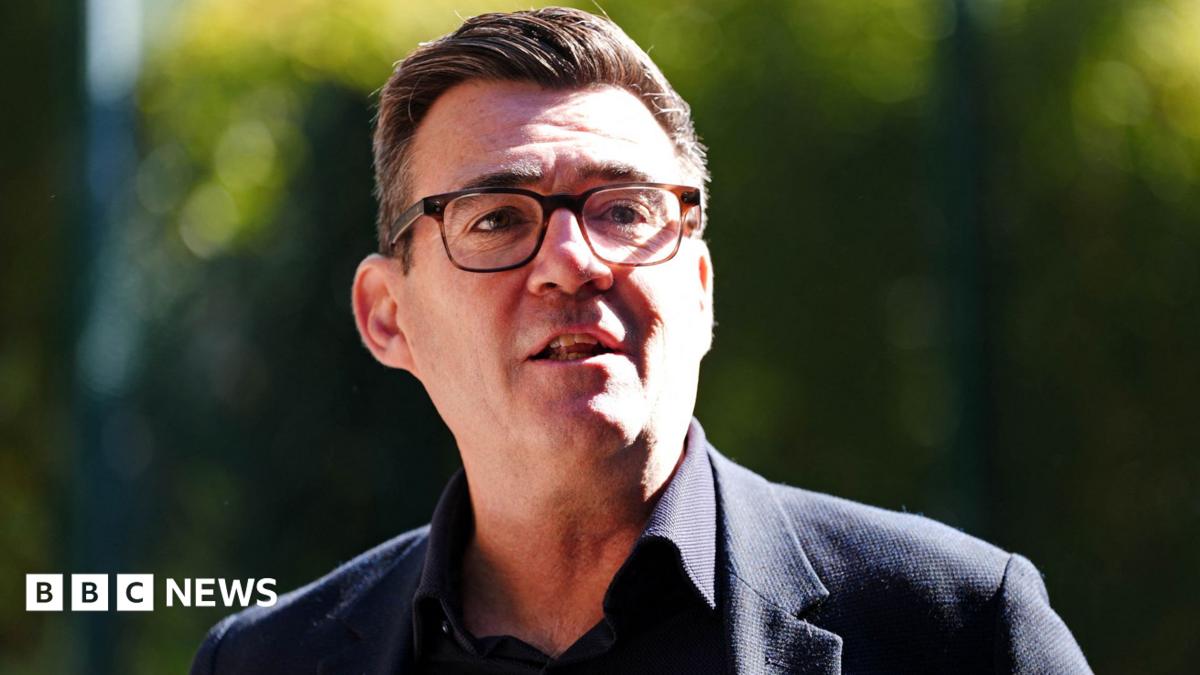
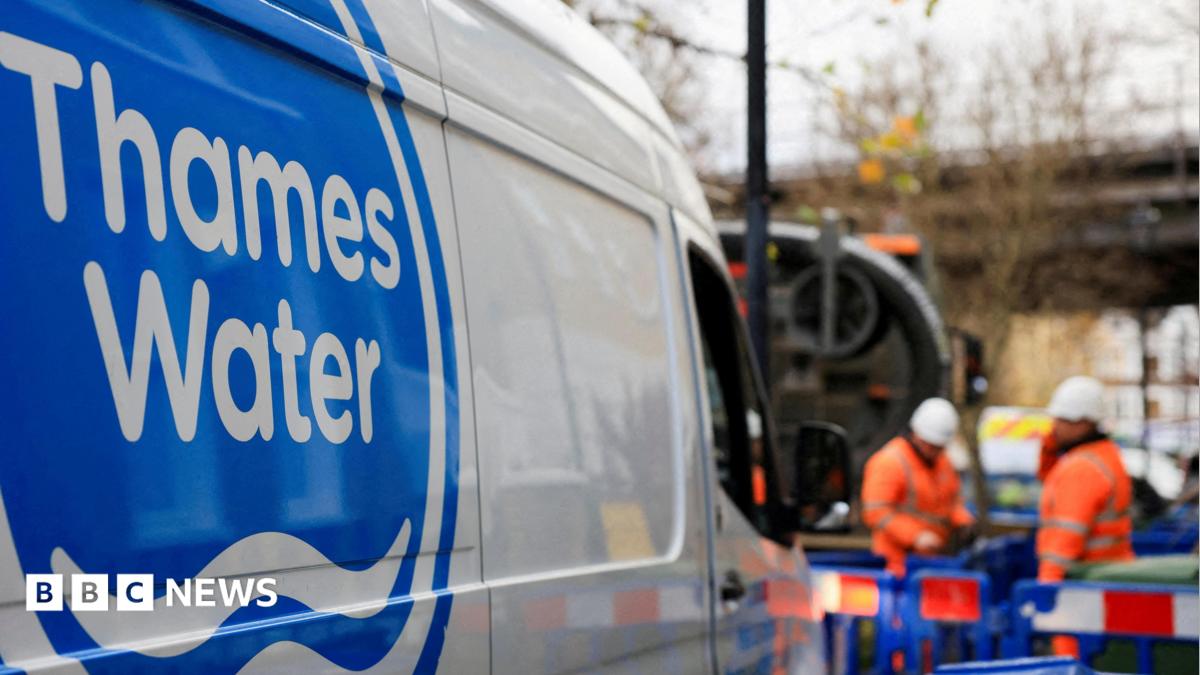
Thames Water gave finance boss a £1m signing-on fee
Thames Water paid its finance chief, Steve Buck, a £1m signing-on fee in July, despite the utility company grappling with approximately £20bn in debt and facing potential temporary nationalisation.
Intelligence analysis by Gemini 2.5 Flash
The revelation of a £1m signing-on fee for Thames Water's finance chief has sparked controversy, given the company's severe financial distress and ongoing discussions with creditors and the government to avoid a 'special administration regime.' This payment, made from emergency funds, highlights the complex financial challenges facing the critical utility provider.
Imagine a big company that delivers water to your house is like a lemonade stand that owes a lot of money to its suppliers. Even though it's struggling, it just gave its money manager a huge bonus of £1 million! Now, the government might have to step in and run the lemonade stand for a bit, which could mean your parents' taxes help pay for the company's problems.
Analysis
£1m Signing-On Fee
Thames Water's decision to pay its finance chief, Steve Buck, a £1m signing-on fee in July has drawn considerable attention and criticism. This payment, understood to have been made after legal advice regarding contractual obligations, comes at a time when the company is in deep financial trouble, owing roughly £20bn.
The timing and source of the funds for this payment are particularly contentious. It is believed the money originated from emergency funding provided by Thames Water's lenders, intended to help the struggling utility navigate its financial crisis. This raises questions about the allocation of emergency capital and the priorities of the company's leadership amidst its precarious situation.
Thames Water's Debt
Thames Water is burdened by a staggering debt of approximately £20bn, a figure that has placed immense pressure on its operations and future viability. The company has been engaged in intensive discussions with its creditors and government officials to devise a sustainable path forward, with the threat of insolvency looming large.
This substantial debt load is not merely a balance sheet issue; it has broader implications for the company's ability to invest in infrastructure and meet its regulatory obligations. Thames Water has faced severe criticism for years over its performance, including failures to prevent sewage discharges and leaks, leading to a record £122.7m fine from regulator Ofwat last year.
Special Administration Regime
The potential failure to secure a viable rescue deal could force Thames Water into a 'special administration regime.' This mechanism, essentially a form of temporary nationalisation, is designed to ensure the continued operation of essential services while a long-term solution is sought. Prime Minister Andy Burnham has previously expressed a desire for greater public control over key utilities.
However, the prospect of special administration carries significant risks, particularly for taxpayers. Thames Water boss Chris Weston has warned that such a scenario could leave taxpayers bearing the costs associated with the company's debt and operational challenges. Weston has instead advocated for a rescue deal proposed by the firm's lenders, aiming to avoid public financial exposure and maintain private sector involvement.
Key points
- Thames Water paid its finance chief, Steve Buck, a £1m signing-on fee in July.
- The payment was made despite the company facing £20bn in debt and potential temporary nationalisation.
- The funds for the fee are believed to have come from emergency funding provided by Thames Water's lenders.
- The company has faced years of criticism for sewage discharges and leaks, receiving a record £122.7m fine from Ofwat.
- Thames Water's boss, Chris Weston, warned that a 'special administration regime' could leave taxpayers bearing the costs.
A rescue deal put forward by Thames Water's lenders could provide a private sector solution to the company's financial woes, potentially avoiding the need for temporary nationalisation and preventing taxpayers from bearing the costs of its substantial debt.
If a rescue deal fails, Thames Water could be forced into a 'special administration regime,' leading to temporary nationalisation. This outcome could result in taxpayers ultimately bearing the significant costs associated with the company's £20bn debt and operational failures.