Thames Water faces row over £1m payment to finance chief
Thames Water has paid its chief financial officer, Steve Buck, a £1m signing fee despite intense financial scrutiny and a ban on performance-related bonuses due to environmental failings. This payment has sparked outrage and renewed calls for nationalisation of the strugg…
Intelligence analysis by Gemini 2.5 Flash

Britain's largest water company, Thames Water, is facing significant backlash after revealing a £1m signing fee paid to its CFO, Steve Buck. This controversial payment comes as the company, serving 16 million customers, teeters on the brink of collapse and is banned from paying performance bonuses, intensifying calls from campaigners and politicians like Andy Burnham for government in…
Imagine a big company that brings water to your house is in big trouble and needs help. Even though they're struggling and not allowed to give out extra money for good work, they just gave one of their bosses a huge bonus of £1 million just for joining! People are really upset, saying it's unfair when the company is failing, and some think the government should take over to fix it.
Analysis
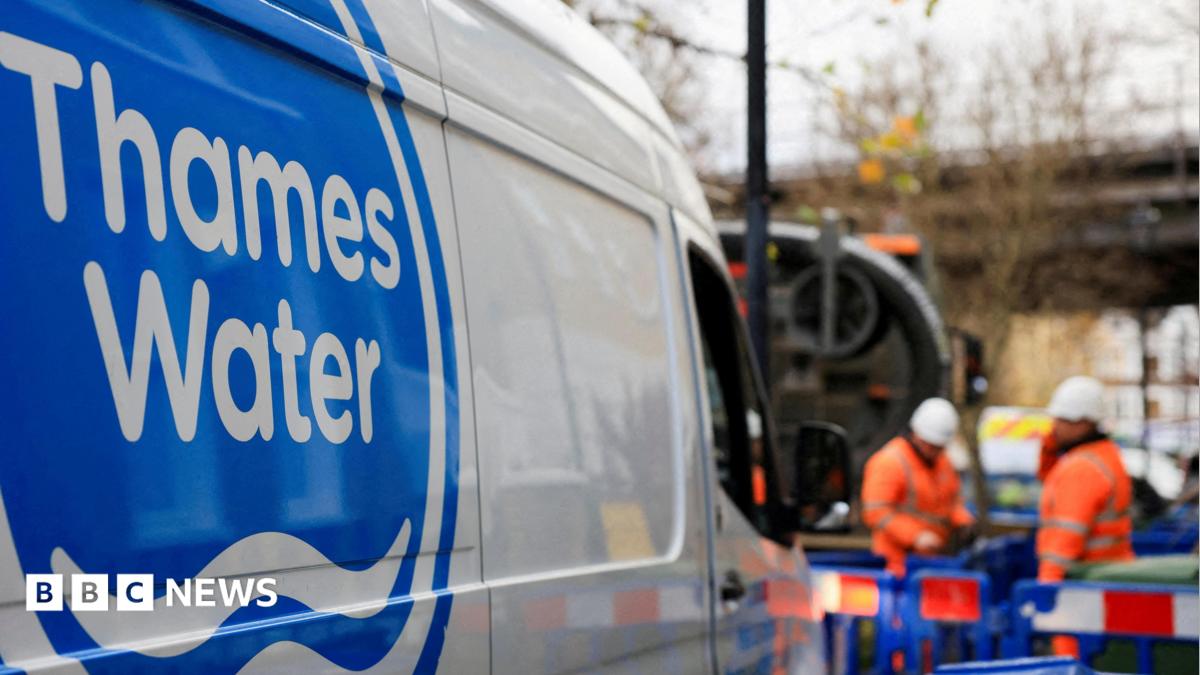
Thames Water, Britain's largest water and sewage company, finds itself embroiled in fresh controversy following the disclosure of a £1m signing fee paid to its chief financial officer, Steve Buck. This payment has ignited a fierce debate, particularly given the company's precarious financial state and its ongoing ban from issuing performance-related bonuses due to persistent environmental failings. The utility, which provides services to 16 million customers across London and the Thames valley, has been on the verge of collapse for over two years, making such executive remuneration highly contentious.
£1m Payment
The revelation of the £1m payment to Steve Buck, made last month, has intensified public and political scrutiny of Thames Water's governance. This significant sum was drawn from a £3bn emergency debt package secured last year from creditors, intended to keep the company operational while a longer-term takeover is negotiated. Critics argue that using emergency funds for executive compensation, especially when the company is under a bonus ban, demonstrates a profound disconnect between management and public interest. The payment's timing, after Thames Water sought legal advice on its obligations, suggests an awareness of its controversial nature. Furthermore, the fact that this specific £1m payment was not detailed in the company's annual report, released last month, has raised questions about transparency, despite an earlier, more general disclosure about a retention payment.
Steve Buck
Steve Buck, who joined Thames Water from Pennon Group (owner of South West Water) in April 2025, is at the center of this remuneration dispute. The £1m payment was a deferred retention payment, agreed upon as part of his employment offer. This sum comes in addition to his total pay of £591,000 for the financial year ending March 31, which included a base salary of £491,000 and a £25,000 discretionary payment for “timely onboarding.” His base salary was subsequently increased to £630,000 in April. The article also notes that Thames Water has reached settlements over retention payments for 14 other executives, though for lower sums than originally planned. While these retention payments are technically funded by creditors' emergency funds rather than customer bills, the optics of such large executive payouts amidst the company's struggles are proving highly damaging.
Andy Burnham
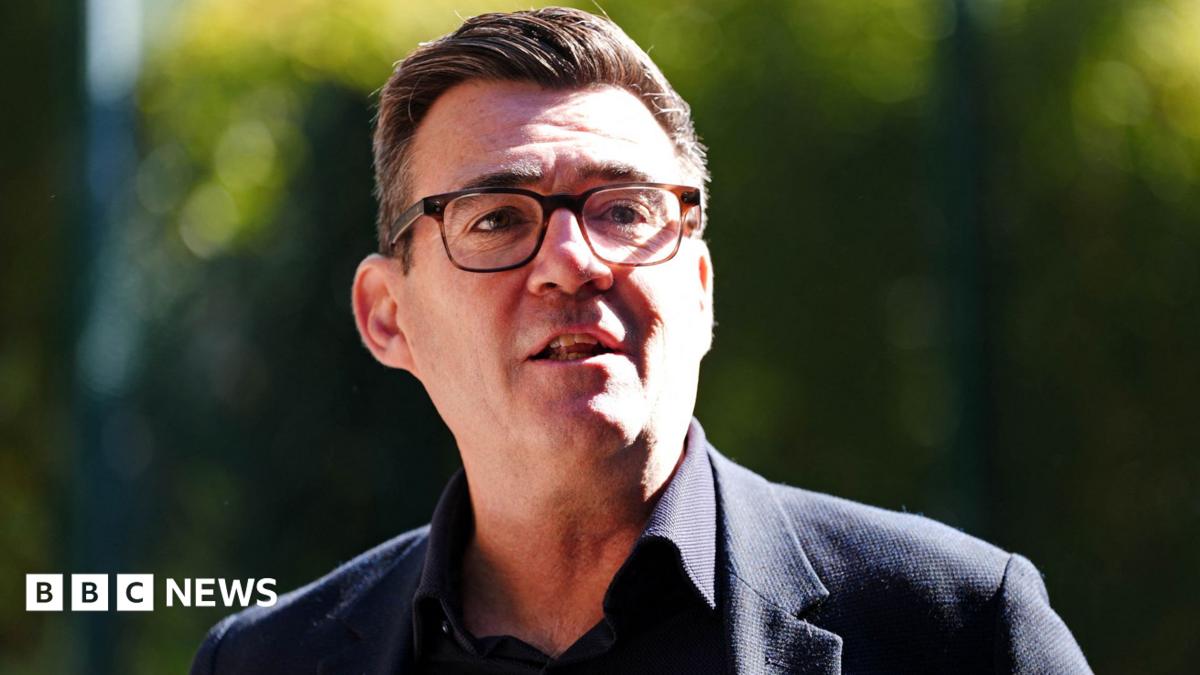
The controversy surrounding Steve Buck's payment is expected to significantly bolster calls for the nationalisation of Thames Water, a position strongly advocated by figures like Andy Burnham. The Greater Manchester mayor has previously suggested that the government should take control of the company to facilitate the write-off of billions of pounds in debt. Creditors, who effectively control Thames Water, have been negotiating for months to take formal ownership, even offering the government a “golden share” in a last-ditch effort to avoid debt write-downs. However, the continued flow of millions to executives, as highlighted by campaign groups like We Own It, strengthens the argument that private ownership has failed and that public control, potentially through a special administration regime, is the only viable path to ensure affordability, environmental responsibility, and financial stability for this essential service.
Key points
- Thames Water paid CFO Steve Buck a £1m signing fee despite a ban on performance bonuses due to environmental failings.
- The payment was drawn from a £3bn emergency debt package agreed with creditors to keep the company running.
- The company, serving 16 million customers, has been on the verge of collapse for over two years.
- Campaigners and politicians, including Andy Burnham, are renewing calls for the nationalisation of Thames Water.
- The £1m payment was not detailed in the company's annual report, though a retention payment was generally mentioned.
If the public outcry over executive payments leads to more stringent regulatory oversight and a viable long-term solution for Thames Water's financial woes, it could ensure better service for customers and prevent future collapses of essential utilities. The pressure might also force creditors to accept more favorable terms for public interest.
The continued controversy over executive pay, coupled with the company's precarious financial state and environmental failings, could further erode public trust and delay a sustainable resolution. This might lead to a costly government bailout or nationalisation, potentially burdening taxpayers and setting a precedent for other struggling utilities.