Burnham has forced greater clarity at Thames Water. Now he must choose
New PM Andy Burnham must choose between an improved bondholder rescue, special administration, or full nationalisation of debt-laden Thames Water, as creditors offer a 'golden share' to the state.
Intelligence analysis by Llama
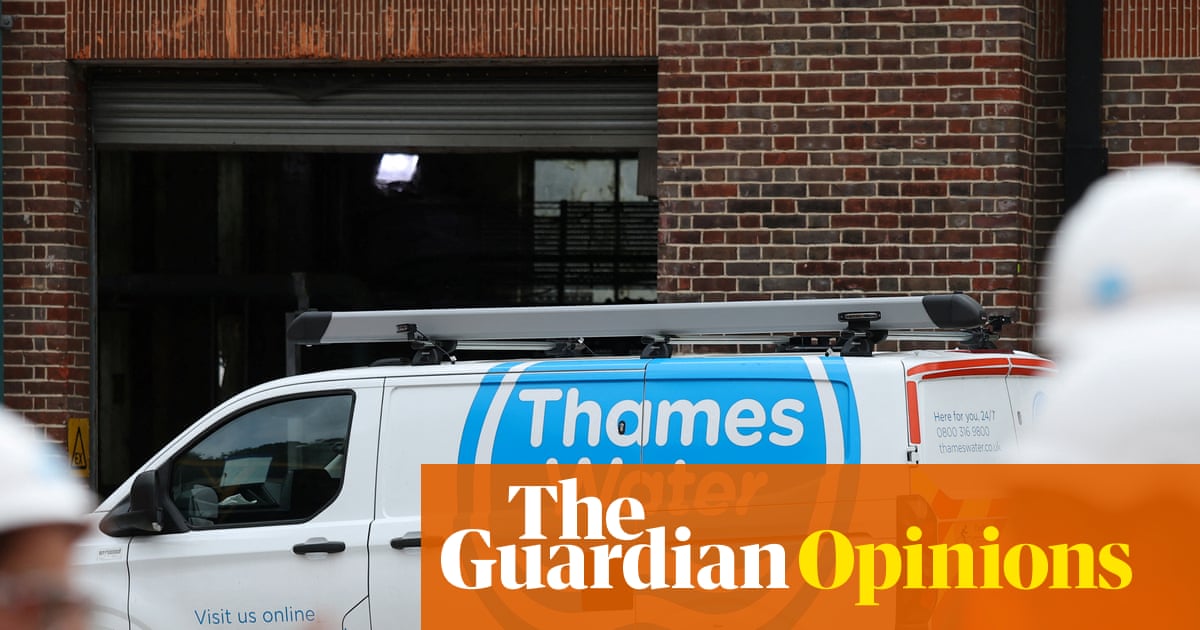
Andy Burnham's political threat of special administration has finally shaken Thames Water's bondholders into offering meaningful concessions, including a 'golden share' for the state. But the new prime minister still faces an unpalatable choice between three options, each with significant costs and political risks.
Thames Water is a giant water company in England that owes lots of money and might run out of cash. The people it owes money to are now offering to let the government have a say in how the company is run, so they don't lose everything. The new prime minister has to pick: let the lenders keep running it, take it over temporarily, or own it forever.
Analysis
The Wages of 18 Wasted Months
For more than a year, Thames Water's bondholders have dragged their feet. The Treasury under Keir Starmer declared a preference for a "market-based solution" and got one, but the proposals were anaemic. The opening bid, a 20% haircut, did not come close to matching the depth of the financial crisis. The result was 18 months of drift at a company that leaks billions of litres of water a day, faces environmental penalties, and cannot easily raise fresh capital. Nils Pratley argues the government only arrived at the negotiating table it should have joined long ago because Andy Burnham made special administration a credible threat. Once the bondholders believed the state might actually use its powers, the concessions started arriving.
The Creditors' New Menu
The latest offer, prompted by Burnham's pressure, is a package of three concessions. First, the state would receive a "golden share" allowing ministers to veto capital expenditure plans deemed too slow. Second, a menu of "supervisory structures" would give municipal authorities and mayors more influence over planning, echoing proposals from the Cunliffe review of the water sector. Third, "material improvements" to the financial terms are on the way. The previous package included a 30% haircut, £3.35bn of new equity, £3.25bn of fresh debt, and roughly £700m to settle environmental penalties. With senior debt trading at about 62p in the pound and Moody's modelling expected losses of 35% to 60%, the haircut may now need to climb to 40% or 50% if the goal is to accelerate infrastructure spending. The terms are moving, but the gap between what's offered and what's required for credible capex remains uncertain.
Three Doors, No Clear Winner
Burnham now faces a choice between three paths, each with serious drawbacks. Full nationalisation would meet his campaign rhetoric but trigger a prolonged legal fight with creditors, including US hedge funds, over the valuation of more than £17bn of senior debt. Special administration offers a cleaner balance-sheet reset and competitive tendering, but the process could take two years, gives the government less control over the outcome, and is meant to be temporary, meaning Thames could eventually return to private hands. The creditors' deal could happen quickly, but even with a golden share, it may fall far short of Burnham's promises on public ownership. The creditors can also bid themselves. As Pratley notes, this is a world of trade-offs, and none of the options delivers a clean political win.
Key points
- Thames Water bondholders, facing expected losses of 35-60% per Moody's, are now offering a 'golden share' for the state plus 'supervisory structures' giving mayors more influence over planning.
- The previous rescue package included a 30% haircut, £3.35bn of new equity, £3.25bn of fresh debt and about £700m for environmental penalties, with senior debt trading at roughly 62p in the pound.
- Burnham must choose between full nationalisation, special administration, or an improved bondholder deal, each carrying significant legal, financial or political risks.
- Special administration could take two years and gives the government less control, while full nationalisation would mean a valuation fight over more than £17bn of senior debt.
- Pratley argues 18 months were wasted under the previous government's market-first approach, and that Burnham's political pressure has finally forced creditors to negotiate seriously.
If Burnham chooses special administration, Thames could emerge with a cleaned-up balance sheet and a clear mandate to accelerate infrastructure investment, funded by a combination of fresh equity, new debt and a meaningful haircut for creditors. A negotiated deal with a golden share could deliver a quicker outcome while still giving ministers veto power over under-investment, satisfying both bondholders and the public without a long courtroom fight.
A full nationalisation would trigger a multi-year legal battle with US hedge funds over the valuation of more than £17bn of senior debt, with costs ultimately falling on taxpayers. Even special administration could drag on for two years, during which Thames's infrastructure continues to deteriorate, leaks worsen and customer bills rise. Whichever path is chosen, the risk is that the final bill for rescuing the UK's largest water company is far larger than it would have been had the government moved decisively 18 months ago.