Houthis threaten to attack shipping tankers if they use Saudi Arabian ports on Red Sea
The Houthis warned tankers using Saudi Red Sea ports could be attacked, raising fresh risks for oil shipping and global trade routes.
Intelligence analysis by GPT-5.4 Mini
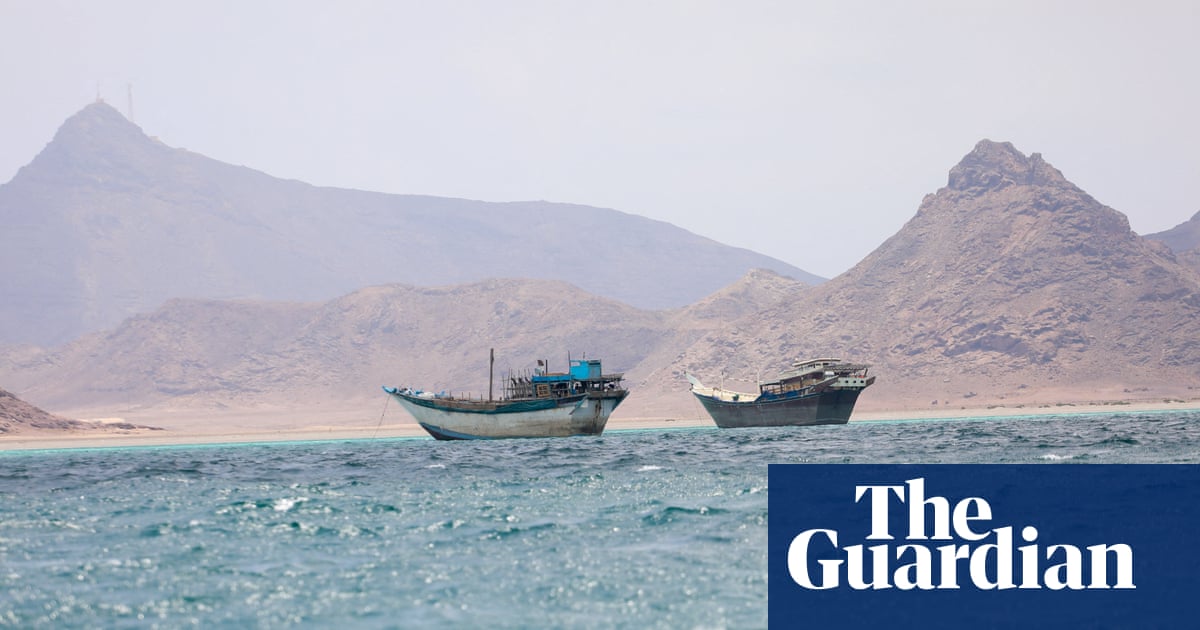
The article frames the threat as an escalation in a wider regional conflict that could hit Saudi oil exports and complicate already fragile shipping lanes. It also shows how quickly shipping firms are reacting, with tankers reportedly turning away from the Houthi-controlled coast.
The Houthis are warning ships not to use some Saudi ports, like putting a big keep-out sign on a busy highway at sea. If ships listen, oil may take longer and cost more to move, which can affect prices far away.
Analysis
The Red Sea Becomes a Pressure Point
The article treats the Houthis' warning as more than a local military move. By threatening tankers that use Saudi Arabian ports on the Red Sea, the militia is aiming at one of the world's most sensitive commercial corridors, where even the hint of disruption can change shipping routes and pricing behavior.
That matters because shipping decisions are often made on risk rather than certainty. The report says two oil tankers that had loaded Saudi crude for China and India reversed course, which suggests the threat is already influencing how operators think about safety and delays.
Saudi Oil and Asian Buyers Are in the Crosshairs
The biggest economic stake in the story is Saudi crude exports. If tankers avoid Red Sea ports, the route from Saudi terminals to Asian markets becomes more complicated, and that can ripple through delivery schedules, insurance costs, and freight premiums.
The article also notes that the Houthis' warning could deepen the regional crisis because it lands on top of tensions around the Strait of Hormuz. That creates a double squeeze on energy shipping, with two major maritime chokepoints facing different but connected threats.
A Wider Energy Shock Is Still Avoidable
The source suggests the threat is serious but not yet fully realized. The Houthis have not formally announced a complete closure of the waterway, and the article shows diplomacy still moving in parallel, even as fighting continues.
That leaves room for de-escalation, but also for rapid deterioration if attacks follow the warning. For markets, the key question is whether this becomes a short-lived scare or a longer campaign that keeps a major share of global oil and gas shipments under pressure.
Key points
- The Houthis warned tankers not to use Saudi Arabian ports on the Red Sea.
- Two oil tankers reportedly turned away after loading Saudi crude for China and India.
- The threat adds to concerns around both the Red Sea and the Strait of Hormuz.
- The article says any major restriction could affect a large share of global maritime traffic.
- Shipping companies may face higher security risks, delays, and rerouting costs.
If the warning does not turn into a wider attack campaign, shipping firms may keep rerouting without major disruption. The article also suggests diplomats are still looking for a way to cool the broader conflict, which could reduce pressure on trade lanes.
If the Houthis start targeting ships more broadly, Saudi oil exports and Asian deliveries could face delays and higher costs. The article also warns that restrictions in the Red Sea and the Strait of Hormuz together could hit a large share of global oil and gas shipments.
Market signals
- OIL The article says the threat could affect Saudi oil exports and disrupt a major shipping route used for global energy flows.
AI-generated analysis of potential market relevance. Not financial advice.