Bybit's EU payments arm secures Austrian e-money license
Bybit Payments GmbH received an electronic money institution license from Austria's Financial Market Authority, giving the exchange a regulatory base to offer card, merchant, open-banking, and P2P payment services across the EEA.
Intelligence analysis by Llama
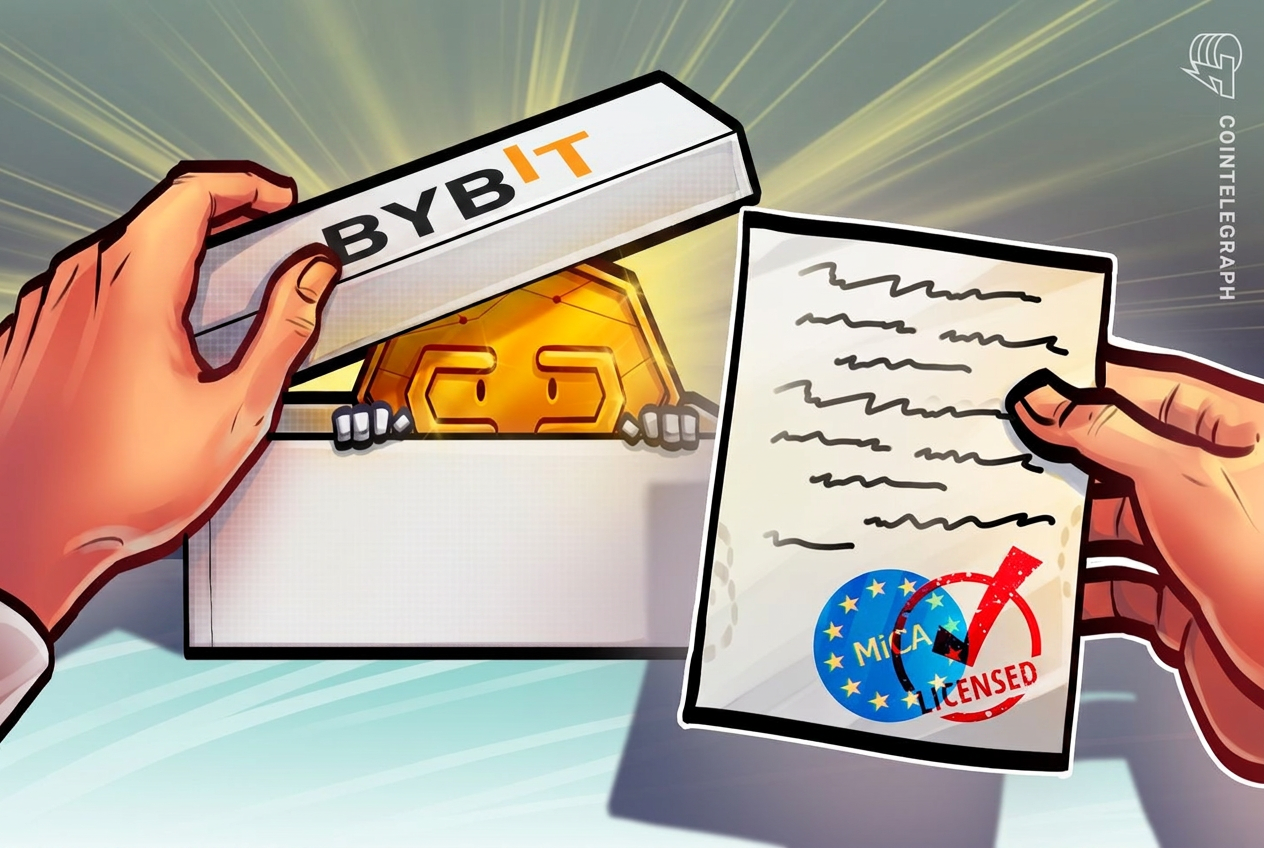
Bybit's Austrian payments subsidiary has secured an e-money license, letting it build out card, merchant, open-banking, and P2P services alongside its existing MiCA-authorized crypto entity. The move is part of the exchange's broader push to vertically integrate its European payments stack.
Bybit just got a special permission slip from Austria that lets it handle regular money, not just crypto. Think of it like getting a store license on top of a game license; now they can open a real shop that takes cards and sends money, not just trade tokens.
Analysis
Two Entities, Two Mandates
Bybit now runs a deliberate two-pillar European structure. Bybit EU GmbH, authorized under the EU's Markets in Crypto-Assets Regulation since May 2025, handles crypto custody, exchange, placement, and transfer services. The newly licensed Bybit Payments GmbH sits beside it with a separate mandate: regulated electronic money and payment products. Keeping the entities distinct is more than bureaucratic hygiene; MiCA scopes cover digital asset activity, while an e-money license is required for any firm issuing or holding funds in fiat form for payment purposes. By splitting them, Bybit can pursue both lines of business without forcing one regulator's framework to do double duty.
Building a Self-Reliant Payments Stack
The strategic value of the Austrian license is operational as much as regulatory. Bybit explicitly framed the approval as a way to strengthen ties with banks, payment providers, and enterprise partners while reducing reliance on third-party payment infrastructure. For an exchange that has been rapidly expanding its global footprint, owning a licensed e-money institution inside the EU means it can issue its own payment accounts, settle in fiat without bouncing transactions through external processors, and eventually launch branded card products under a single regulatory roof. That vertical integration is increasingly the table-stakes play among major exchanges trying to look more like fintechs than trading venues.
The Malta Question
Notably, Bybit.eu will serve the European Economic Area with Malta excluded. The exchange has not explained the omission, pointing only to the general principle that services are available only where MiCA passporting requirements are met. Malta has historically been one of the most crypto-friendly jurisdictions in Europe, so the carve-out likely reflects lingering authorization friction rather than a strategic retreat. For users elsewhere in the EEA, however, the practical effect is that Bybit's combined crypto and payments offering will be available across most of the bloc once the new payment products roll out, making the Austrian license a launchpad rather than a standalone milestone.
Key points
- Bybit Payments GmbH received an electronic money institution license from Austria's Financial Market Authority.
- The license clears the way for P2P payments, merchant solutions, open banking, and card products via Bybit.eu.
- It complements Bybit EU GmbH, which has been MiCA-authorized in Austria since May 2025 for crypto services.
- Bybit says the approval should reduce reliance on third-party payment infrastructure across the EEA.
- Bybit.eu will serve the EEA but excludes Malta, though the exchange has not disclosed why.
With a licensed payments entity alongside its MiCA-authorized crypto arm, Bybit could roll out branded debit cards, merchant tools, and open-banking features across the EEA more smoothly, attracting users who want a single app for both crypto trading and everyday spending. The setup also gives the exchange a stronger pitch when negotiating with European banks and corporate partners that require regulated fiat counterparties.
Operating two parallel regulated entities in the same jurisdiction adds compliance overhead and increases the risk of regulatory confusion if the two remits overlap. The unexplained exclusion of Malta also signals that passporting across all 27 EU members is not a given, which could limit the user base and force Bybit to negotiate country-by-country as it expands payment products.