Calls to ban disposable barbecues in England and Wales over wildfire risk
Farmers, landowners, firefighters, and MPs in England and Wales are urging a temporary ban on disposable barbecues, citing wildfire risks amplified by record heat and drought.
Intelligence analysis by Llama
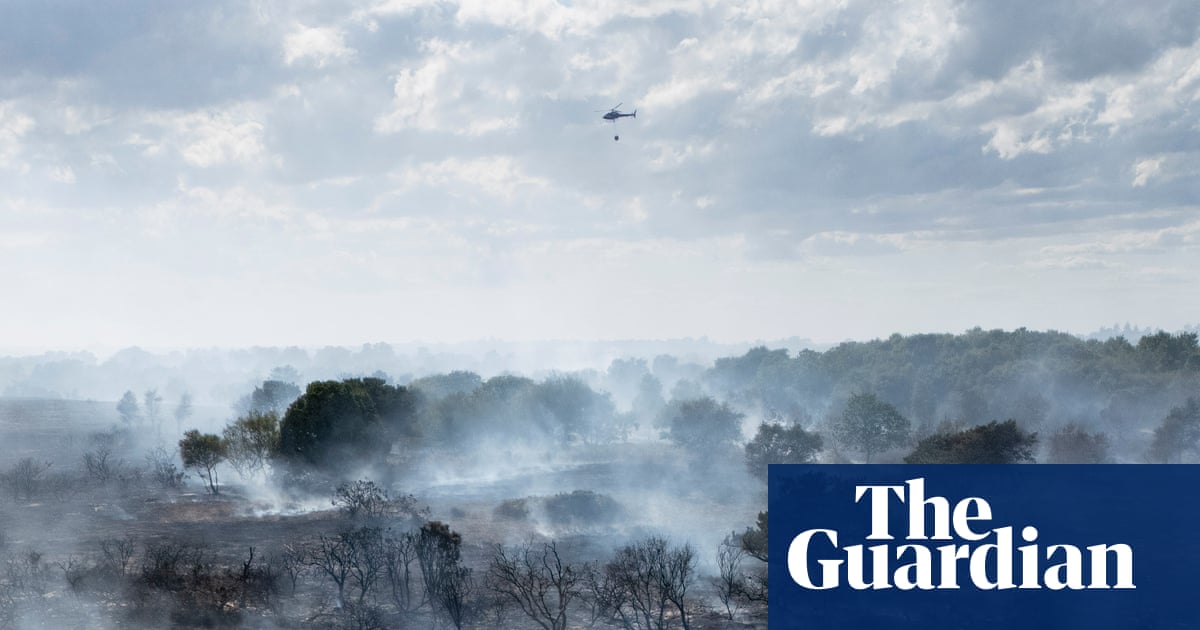
Calls for a temporary ban on disposable barbecues in England and Wales are growing, with farmers warning of lost harvests from wildfires supercharged by record heat. The government has so far rejected a blanket ban, preferring targeted local action.
Disposable BBQs are like tiny fire starters people toss away after one use, and in really dry summers even one dropped on grass can start a huge wildfire. Farmers in England and Wales are asking the government to stop selling them so fewer fires start and their crops don't burn down.
Analysis
A harvest under threat
The economic toll on British farming is the undercurrent of this story. Paul Tompkins, deputy president of the National Farmers Union, framed the crisis in starkly financial terms, noting that a stray match or single spark can wipe out months of work, destroying crops and ruining harvests. Three months of record heatwaves, supercharged by the climate crisis, and the worst drought in many areas since 1976 have left vegetation acutely vulnerable to ignition. The losses extend beyond individual fields, with Tompkins warning of long-term consequences for soil health, grassland productivity, and the confidence of farm businesses already facing significant pressures. For an industry already squeezed by thin margins, the wildfire risk has become an existential variable in this season's accounts.
Retail pulls back, but supply remains
Consumer-facing businesses are also recalibrating. Most major supermarkets have already halted sales of disposable barbecues, with some chains having abandoned them years ago. Yet the products remain widely available in smaller shops, hardware and DIY outlets, and online marketplaces, creating an uneven playing field. Jon Pearce, the Labour MP for High Peak, has written to retailers this week asking them to stop selling the items. The split response points to a wider question about how quickly voluntary retail action can substitute for a national prohibition, especially when smaller sellers face no obligation to comply. The Country Land and Business Association's call for retailers to pull the products from shelves adds weight to the legislative push, but the government has indicated no plans for a blanket ban, preferring to lean on product safety rules and local authority powers.
Land management splits emerge
The wildfire debate is exposing fault lines in how rural Britain should manage its landscape. The CLA has paired its call for a barbecue ban with a demand to lift England's prohibition on controlled burning, currently restricted to protect wildlife and curb carbon emissions. CLA president Gavin Lane argued controlled burning is a proven method that clears the vegetation feeding a wildfire and slows its spread. Meanwhile, some commentators have pointed to rewilding as a driver of fire risk, a claim rebuffed by experts. Financier and conservationist Ben Goldsmith pointed to beaver reintroductions that have boosted the surrounding land's water-storage capacity and eased drought impacts. The competing prescriptions underscore that there is no consensus path on how to harden the countryside against a climate that is breaking historical assumptions.
Key points
- Farmers, the National Farmers Union, the Country Land and Business Association, firefighters, the Liberal Democrats, and many Labour MPs are pressing for a temporary ban on disposable barbecues in England and Wales.
- Wildfires have burned more than 20,000 hectares across the UK this year, with major blazes in Wales, Scotland, Suffolk, and Northern Ireland.
- The National Farmers Union warns that record heat and the worst drought since 1976 have left crops and livestock acutely vulnerable to ignition.
- Most major supermarkets have already stopped selling disposable barbecues, but they remain available in smaller shops, hardware stores, and online.
- The UK government has rejected a blanket ban, opting instead for product safety rules and local authority powers to restrict use in high-risk areas.
A coordinated temporary ban during high-risk periods, combined with expanded controlled burning and rewilding efforts like beaver reintroductions, could meaningfully reduce wildfire damage and protect harvests. Retailers and local authorities have already begun acting voluntarily, suggesting a national framework could emerge without heavy-handed enforcement.
Without a national prohibition, smaller retailers and online sellers will continue to distribute disposable barbecues into high-risk areas, and a patchwork of local rules may be too fragmented to prevent ignitions. The drought conditions show no quick end, meaning cumulative agricultural losses could keep mounting, while disagreement over land management approaches may delay any coherent national response.