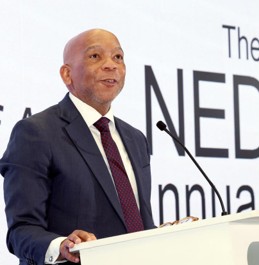
Cameroon: Joseph Dion Ngute, the Art of Lasting Amidst Clan Warfare
Cameroonian Prime Minister Joseph Dion Ngute, an Anglophone from the Southwest, has maintained his position since January 2019, defying predictions of his departure amidst ongoing political succession battles.
Intelligence analysis by Gemini 2.5 Flash
Joseph Dion Ngute has demonstrated remarkable political resilience, navigating seven years of intense clan warfare and governmental reshuffles without aligning himself with any particular faction. His ability to remain in power, despite not actively building a political patronage network, has become a subject of intrigue in Cameroonian politics.
Imagine a big school where different groups of kids are always trying to be the leader. Joseph Dion Ngute is like a student who became the class president a long time ago, in 2019, and even though other kids keep fighting and trying to take over, he somehow always stays in charge. He's good at not picking sides, which helps him keep his spot even when everyone else is arguing.
Analysis
The political landscape of Cameroon is often characterized by intense rivalries and a constant struggle for influence, particularly concerning the eventual succession of President Paul Biya. In this volatile environment, Joseph Dion Ngute's tenure as Prime Minister since January 2019 stands out as an anomaly. His ability to resist the 'wear and tear of power' and defy numerous predictions of his removal underscores a unique approach to political survival, one that seemingly avoids overt alignment with any of the competing factions.
Joseph Dion Ngute
Joseph Dion Ngute, an Anglophone originating from the Southwest region of Cameroon, has held the position of Prime Minister since January 2019. His political longevity is particularly striking given the backdrop of what the article describes as 'seven years of succession warfare.' Unlike many political figures who might leverage their position to build a robust political patronage network, Ngute has reportedly not pursued such a strategy. This 'art of effacement' or discretion is presented as a key factor in his enduring presence at the helm of government, allowing him to navigate complex political currents without becoming a direct target of clan rivalries.
Paul Biya
The political stability, or lack thereof, in Cameroon is inextricably linked to President Paul Biya, who has been in power for decades. The 'succession warfare' mentioned in the article implicitly refers to the maneuvering and infighting among various political clans vying for influence in anticipation of a post-Biya era. Ngute's ability to maintain his position under Biya's long-standing presidency suggests a level of trust or strategic utility that he provides to the head of state. His perceived neutrality or lack of overt ambition to build a personal power base might make him a less threatening figure to the presidential palace, allowing him to serve as a stable, if understated, administrative head.
January 2019
Joseph Dion Ngute's appointment in January 2019 marked a significant moment in Cameroonian politics, placing an Anglophone at the head of government amidst ongoing tensions in the country's English-speaking regions. His survival since this date, through various governmental reshuffles and crises, highlights a consistent pattern of political resilience. This period has been characterized by intense internal political dynamics, yet Ngute has managed to remain in his post, suggesting that his role extends beyond mere administrative duties to perhaps serving as a balancing figure within the broader political architecture. His continued presence offers a degree of continuity in a system often prone to abrupt changes.
Key points
- Joseph Dion Ngute has served as Cameroon's Prime Minister since January 2019, defying predictions of his departure.
- He is an Anglophone from the Southwest region, a significant detail given regional tensions.
- Ngute has navigated seven years of intense 'succession warfare' among political clans without overtly aligning with any.
- His political longevity is attributed to his 'art of effacement' or discretion, avoiding the creation of a political patronage network.
- His continued tenure suggests a unique strategy for political survival amidst complex governmental reshuffles and crises.
Ngute's continued presence as Prime Minister could signal a degree of stability and continuity within the Cameroonian government, potentially fostering a more predictable political environment. His perceived neutrality might also help de-escalate some of the internal clan rivalries, allowing for more focused governance.
The ongoing 'succession warfare' and Ngute's 'art of effacement' could also indicate a lack of decisive leadership or a deferral of critical political reforms. This prolonged period of internal struggle, even with a stable Prime Minister, might hinder progress on pressing national issues and perpetuate political stagnation.