East of the DRC: In Neighboring Countries, a UN Tour to Strengthen Ceasefire Verification
The head of Monusco and the UN Special Envoy for the Great Lakes completed a tour of Burundi, Uganda, and Rwanda to bolster a ceasefire verification mechanism, which is now deploying despite ongoing clashes in eastern DRC.
Intelligence analysis by Gemini 2.5 Flash
A UN delegation has visited regional countries to reinforce political commitments and operational conditions for a ceasefire verification mechanism in eastern DRC, where fighting persists between Kinshasa and the AFC/M23, highlighting the challenges in implementing peace agreements.
Imagine two groups of kids who promised to stop fighting, but they keep pushing each other. Grown-ups from the United Nations are trying to help by sending a special team to watch and make sure everyone keeps their promise. They visited other grown-ups nearby to ask for their help too, but it's tricky because the pushing hasn't stopped yet, and the watchers need everyone to cooperate to do their job properly.
Analysis
The recent diplomatic tour by James Swan, head of the United Nations Organization Stabilization Mission in the Democratic Republic of Congo (Monusco), and UN Special Envoy Huang Xia to Burundi, Uganda, and Rwanda underscores the persistent challenges in stabilizing eastern DRC. This initiative aimed to solidify regional commitments made under the Doha and Washington processes, which sought to establish a lasting peace between Kinshasa and the AFC/M23 rebel group. While the expanded verification mechanism, operating under the International Conference on the Great Lakes Region (ICGLR), has begun its deployment with a secretariat and initial field missions, the continued reports of hostilities cast a long shadow over its effectiveness. The UN's efforts are primarily focused on creating an environment where this mechanism can function durably and operationally, yet the fundamental issue of non-compliance with ceasefire agreements remains.
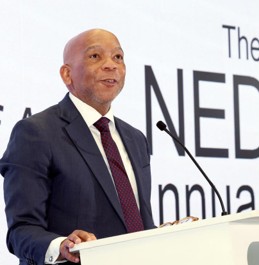
James Swan
James Swan, as the Special Representative of the UN Secretary-General and head of Monusco, has been a central figure in advocating for the necessary conditions to make the ceasefire verification mechanism viable. His recent tour was not merely a diplomatic courtesy but a direct appeal to regional authorities to uphold their commitments and facilitate the work of the verification teams. Swan has consistently highlighted the need for robust security guarantees and unimpeded freedom of movement for personnel on the ground. These operational prerequisites are critical for the mechanism to accurately monitor and report on ceasefire violations without undue risk or interference.
Furthermore, Swan has emphasized the importance of cooperation from all parties involved in the conflict. Without a genuine commitment from Kinshasa and the AFC/M23 to cease hostilities and engage constructively, the verification mechanism's capacity is inherently limited. It can document breaches, but it lacks the mandate or means to enforce a ceasefire unilaterally. This distinction is crucial, as it positions the UN's role as one of support and observation, rather than direct intervention to halt fighting. The success of these diplomatic overtures hinges entirely on the political will of the regional actors and the warring factions themselves.
Minembwe
The deployment of the ceasefire verification mechanism has seen its first mission conducted in Minembwe, a locality within the volatile South Kivu province. This initial foray into the field, supported logistically by Monusco, represents a tangible step towards operationalizing the monitoring process. However, the article explicitly notes that this deployment does not equate to the ceasefire being respected, as clashes continue to be reported across eastern DRC. The situation in Minembwe serves as a microcosm of the broader challenges faced by the verification teams.
During his visits, James Swan specifically raised concerns about the security environment in areas like Minembwe, pointing to risks such as GPS jamming that could jeopardize aerial operations essential for monitoring. Such technical interferences, whether deliberate or incidental, underscore the complex and often hostile conditions under which the verification teams must operate. Ensuring the safety and operational integrity of these missions is paramount, as their ability to gather accurate information directly impacts the credibility and utility of the entire verification process. The experiences in Minembwe will likely inform future deployments and strategies for the mechanism.
AFC/M23
The politico-military group Alliance Fleuve Congo/Mouvement du 23-Mars (AFC/M23) is a primary party to the conflict in eastern DRC and a key focus of the ceasefire verification efforts. Both Kinshasa and the AFC/M23 committed to a ceasefire in July 2025 in Qatar, followed by a broader peace agreement between the DRC and Rwanda in Washington in December of the same year. Despite these high-level diplomatic engagements and signed accords, the article clearly states that neither the Qatari nor the American mediation has succeeded in silencing the weapons. This persistent non-compliance by the AFC/M23, which is reportedly supported by Rwanda, remains the most significant obstacle to peace.
The continued resurgence of the M23 since 2021, leading to the seizure of significant territories in eastern Congo, highlights the deep-seated nature of the conflict and the difficulties in enforcing peace agreements. The verification mechanism's ability to effectively monitor the actions of the AFC/M23 and report on violations is crucial for international accountability. However, without the group's genuine commitment to disarm and cease hostilities, the mechanism's findings may serve primarily as documentation rather than a catalyst for immediate peace. The ongoing violence underscores the urgent need for all parties, including the AFC/M23, to adhere to their agreed-upon commitments for any lasting stability to take root.
Key points
- Monusco head James Swan and UN Special Envoy Huang Xia toured Burundi, Uganda, and Rwanda.
- The tour aimed to reinforce regional commitments to peace processes (Doha and Washington) and operationalize a ceasefire verification mechanism.
- The expanded verification mechanism, under ICGLR, has a secretariat and has begun deployment, including a mission to Minembwe.
- Despite these efforts, fighting between Kinshasa and the AFC/M23 continues in eastern DRC.
- Monusco seeks security guarantees, freedom of movement, and cooperation for the verification teams, noting risks like GPS jamming.
- The mechanism's role is supportive; it can observe violations but cannot impose a ceasefire without parties' cooperation.
The ongoing UN diplomatic efforts and the deployment of the expanded verification mechanism, supported by regional countries, offer a structured pathway to monitor the ceasefire. If all parties genuinely cooperate and adhere to their commitments, this mechanism could foster greater transparency, build confidence, and ultimately pave the way for a more stable and peaceful eastern DRC.
Despite diplomatic tours and the mechanism's deployment, continued fighting and reported non-compliance by armed groups like the AFC/M23 suggest that peace efforts face significant hurdles. Without effective cooperation, security guarantees, and a cessation of hostilities, the verification mechanism risks being undermined, leading to prolonged conflict and humanitarian suffering in the region.