Can an AI agent cover for you while you're at the beach?
Korn Ferry says AI agents can handle routine work while employees are on vacation, but the approach raises privacy, trust, and cost concerns.
Intelligence analysis by GPT-5.4 Mini
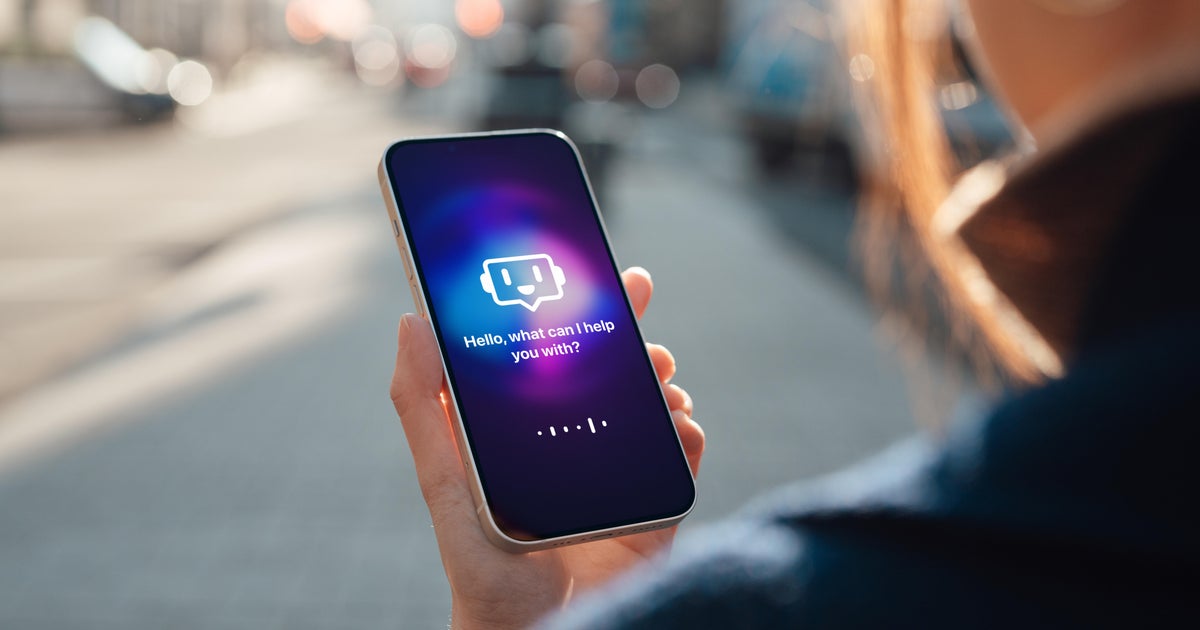
CBS News reports that companies are starting to use AI agents to cover basic admin work during summer vacations. Advocates say the tools can keep work moving and make absences easier; critics warn about privacy, cost, and reliability.
It is like leaving a helpful robot note-taker at the office while a person is at the beach. The robot can sort messages and set meetings, but people still have to watch it closely so it does not make mistakes.
Analysis
Korn Ferry says some companies are experimenting with AI agents, or custom bots, to help cover routine tasks when employees are out on vacation. The examples in the article are modest but practical: handling basic correspondence, scheduling meetings, summarizing emails and documents, and preparing light paperwork so coworkers are not left guessing about what is due.
Bryan Ackermann, who leads AI strategy and transformation at the firm, frames the goal as reducing the disruption when someone is away. In his view, the point is not to replace the person on vacation, but to help the team absorb the absence with less friction and to reduce the pile of work waiting on return. The article also points to Anthropic’s Claude Cowork, which Ackermann says can synthesize research, prepare documents, and help summarize meeting transcripts for knowledge workers.
The piece also lays out the tradeoffs. A vacation-handling AI could make some employees worry that their roles are becoming less necessary, especially at a moment when companies are investing more in AI while also cutting jobs or hiring more slowly. There are also privacy concerns, since an agent responding on someone’s behalf may need access to emails, calendars, and other work data. Mark Beare of Malwarebytes adds another concern: if an AI is allowed to act with administrative control, employees and clients need confidence that it will behave competently and professionally.
The broader message is that AI agents are moving from novelty to office utility, but only for narrow, low-risk tasks and only if companies accept the cost and the need for human oversight.
Key points
- Korn Ferry says companies are beginning to use AI agents to cover routine work while employees are on vacation.
- The tools are aimed at basic email, scheduling, document summaries, and similar administrative tasks.
- Bryan Ackermann says the goal is to limit the productivity hit when someone is out and make the return from vacation easier.
- The article warns that employees may see these tools as a sign they are expendable.
- Experts also raise privacy, cost, and competence concerns when AI is given administrative control.
If this works well, workers could actually take time off without coming back to a huge pile of missed messages and unfinished tasks. Teams might keep moving more smoothly during absences, with less stress on coworkers covering the gap.
The downside is that employees may worry the tool is a step toward replacing them rather than helping them. The article also warns that AI agents can create privacy, cost, and reliability problems if they are left to act without enough human oversight.