Cartier owner Richemont reports ‘stratospheric’ sales growth as jewellery demand surges
Richemont posted 20% organic quarterly sales growth, driven by jewellery demand and strong spending in Japan and the Americas.
Intelligence analysis by GPT-5.4 Mini
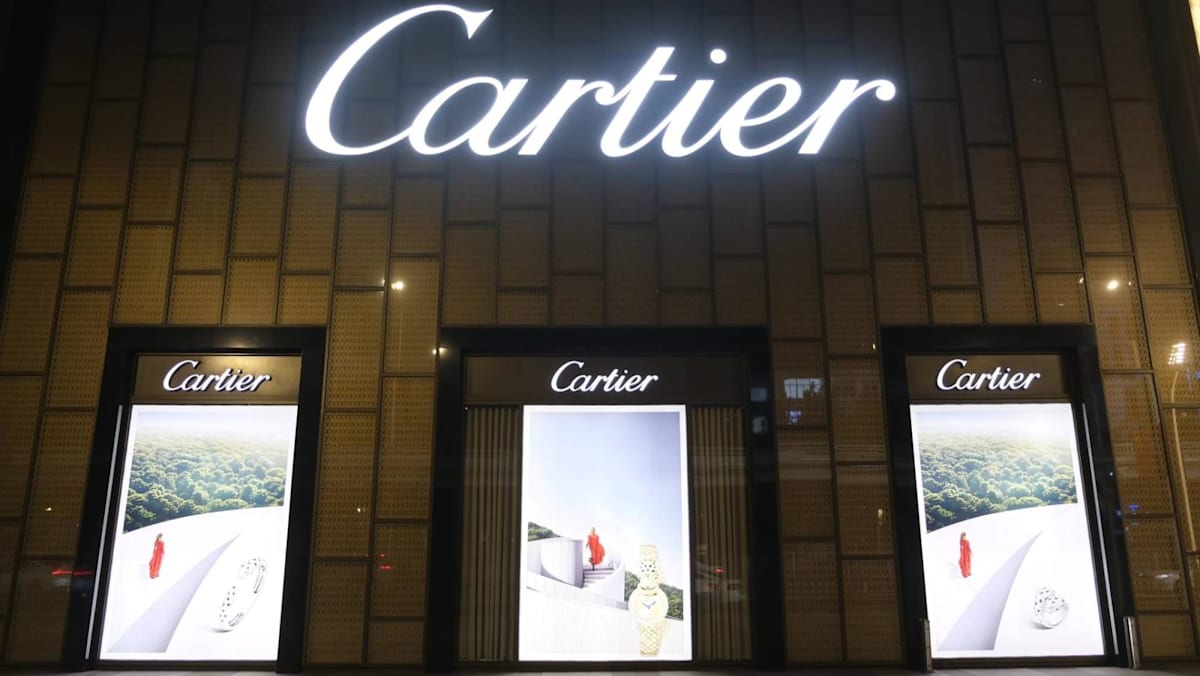
Richemont’s latest quarter points to a sharper recovery in luxury, but the gains are uneven. Jewellery is powering the group while watches lag, and the strongest demand is coming from Japan and the Americas rather than China.
Richemont is like a toy store where the shiny, expensive toys are still selling really well. People in Japan and the Americas kept buying, so the company grew fast even though some other luxury items did not.
Analysis
Jewellery Is Doing The Heavy Lifting
Richemont's numbers show that luxury is not recovering evenly across categories. The company said jewellery sales rose 24% organically in the quarter, far outpacing its watch division, which increased 8%. That gap matters because it suggests affluent shoppers are still willing to spend on category leaders like Cartier and Van Cleef & Arpels even when broader discretionary demand remains softer.
The article frames this as a stronger signal than a simple quarterly beat. Richemont called the growth "stratospheric", and analysts cited by the paper described the company as being "in a league of its own". For the sector, that implies brand strength and execution can still override a weak macro backdrop, at least for the highest-end names.
Japan And The Americas Are Setting The Pace
The regional split is just as important as the product mix. Japan grew 36% year on year and the Americas rose 27%, while the Middle East improved gradually and mainland China appears to have remained soft, according to Citi's estimates in the piece. That pattern suggests luxury demand is being carried more by specific geographies than by a broad-based rebound.
For investors, that is both encouraging and fragile. It is encouraging because it shows that demand has not collapsed after a two-year slowdown, but fragile because the recovery is not yet anchored in all major markets. If China remains uneven, growth may depend heavily on whether Japan and the Americas can keep delivering at this pace.
What Richemont's Outperformance Says About Luxury
Richemont's 20% organic sales growth matters because it arrived at the start of earnings season and beat analyst expectations for 11% growth. The shares rose 6% in early trading, and other luxury names also moved higher, which indicates the market is looking for evidence that premium spending is stabilising. The company also said it had shrugged off the effects of Middle East conflict that hit the industry earlier in the year.
The broader read-through is that luxury investors may be rewarding consistency more than category breadth. Richemont has posted seven straight quarters of double-digit jewellery growth, while peers such as LVMH and Kering have faced softer demand in handbags, shoes and fashion. That makes Richemont a test case for whether the luxury rebound is real, or whether only the strongest brands are still able to grow through a tougher cycle.
Key points
- Richemont reported 20% organic quarterly sales growth to €6.3 billion.
- Jewellery was the main driver, with 24% organic growth in the quarter.
- Japan and the Americas were the strongest regions, while China was weaker by comparison.
- Richemont shares rose 6% in early trading after the results.
- The report suggests luxury demand is recovering unevenly across brands and regions.
If jewellery demand stays strong, Richemont could keep outperforming other luxury groups. Continued strength in Japan and the Americas would give the company a more balanced growth base even if China remains mixed.
The rally could lose steam if demand in China and the Middle East stays uneven. Richemont's outperformance also depends heavily on jewellery, so a slowdown in that category would quickly narrow the growth gap with peers.
Market signals
- CFR Richemont beat sales expectations and its shares rose 6% in early trading after the results.
AI-generated analysis of potential market relevance. Not financial advice.