Caspian port can offset pressures on southern Iranian ports: official
Iran's Caspian Port has seen a 58% growth in cargo handling, with 760,000 tons in 2023-2024 and 1.2 million tons in 2024-2025. The port's development is crucial for securing essential commodities and enhancing the country's transit capacity.
Intelligence analysis by Llama
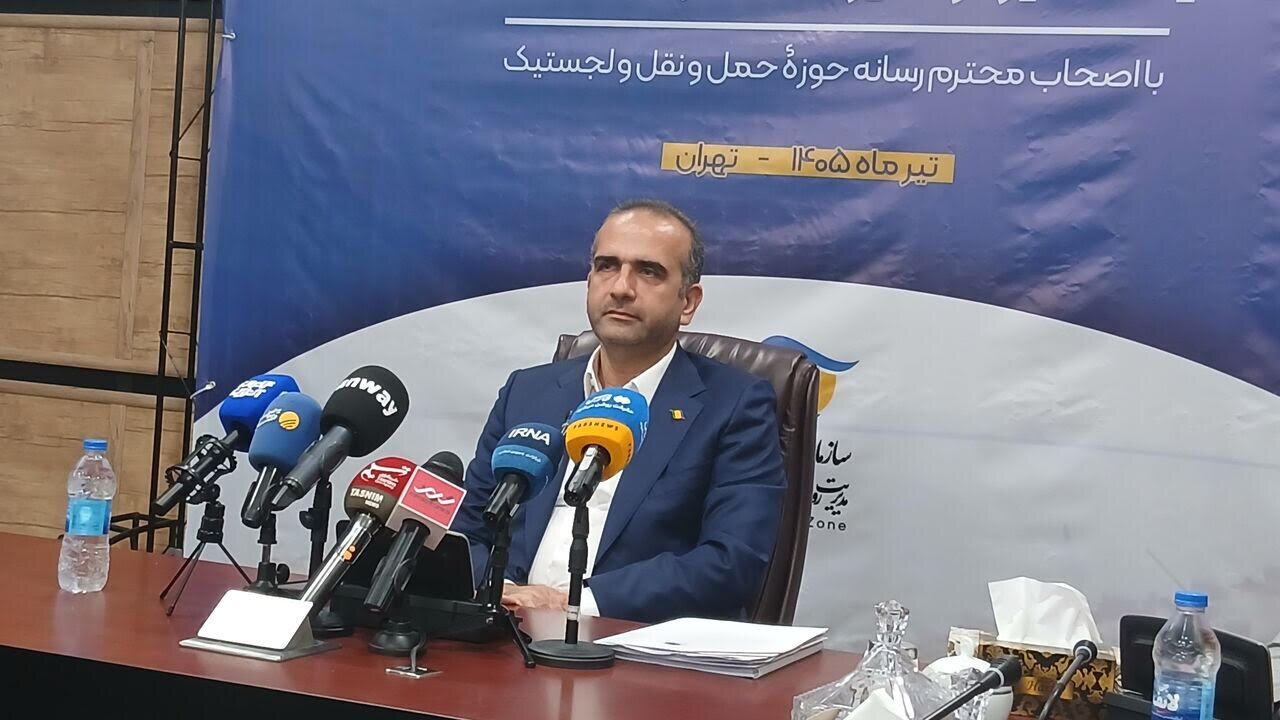
Iran's Caspian Port has seen significant growth in cargo handling, with the CEO emphasizing its importance for securing essential commodities and enhancing the country's transit capacity. The port's development is crucial for reducing pressure on southern ports, which have faced disruptions due to U.S. military aggression and maritime blockades.
Imagine a big port in Iran that helps bring in important goods like food and oil. This port is growing really fast and can help reduce problems with other ports that have been affected by conflicts. It's like having a backup plan to make sure people in Iran have what they need.
Analysis
A $60B Vote of Confidence
The Caspian Port's growth is a significant vote of confidence in Iran's economic development. With a 58% increase in cargo handling, the port has emerged as a vital alternative route for essential goods, particularly in light of U.S. attacks on Iran and the imposition of a naval blockade on southern waters. The port's development is crucial for securing essential commodities and enhancing the country's transit capacity.
Why Caspian Matters
The Caspian Port's growth is not just about replacing southern ports, but about complementing them. The port serves a distinct function, covering a portion of the country's cargo, especially essential goods, grains, oil, transit cargo, and trade with Russia and Caspian Sea states. The recent disruptions in southern routes have underscored the necessity of diversifying import and export pathways.
The Road Ahead
The development of the Caspian Port must be viewed as an integrated chain: piers, hinterlands, warehouses, tanks, fleet, rail and road networks, handling equipment, and regular shipping lines. The port's growth is not just about the number of vessels, but about proper planning for regular routes with fixed schedules, origins, destinations, cargo types, and capacities. Without this, cargo owners cannot predict transport times and costs, making it difficult to attract stable cargo volumes.
Key points
- Iran's Caspian Port has seen a 58% growth in cargo handling.
- The port's development is crucial for securing essential commodities and enhancing the country's transit capacity.
- The port serves a distinct function, complementing southern ports rather than replacing them.
- The development of the Caspian Port must be viewed as an integrated chain: piers, hinterlands, warehouses, tanks, fleet, rail and road networks, handling equipment, and regular shipping lines.
If the Caspian Port continues to grow and develop, it could become a major hub for trade between Iran and other countries in the region, reducing reliance on southern ports and enhancing economic and logistical resilience.
However, the port's growth is also dependent on the availability of specialized vessels, particularly tankers, container ships, and Ro-Ro ships. If these vessels are not available, the port's capacity will be limited, and it may not be able to meet the country's growing trade needs.