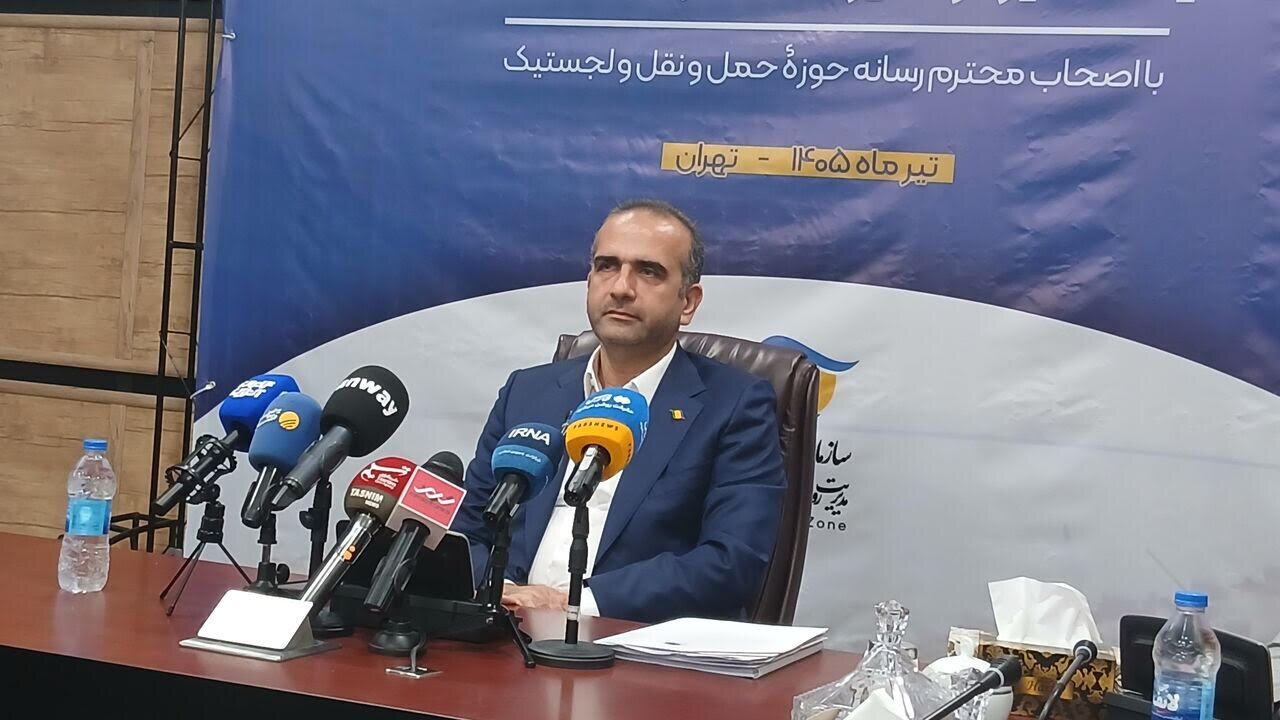
TPO puts emphasis on development of regional trade, export
The Deputy of Commercial Services at the Trade Promotion Organization of Iran emphasized the importance of a regional transit agreement between Iran, Afghanistan, and Tajikistan in developing regional trade, reducing transportation costs, and increasing the country's expo…
Intelligence analysis by Llama
The signing of the protocol for regional connectivity and transit facilitation between Iran, Afghanistan, and Tajikistan is a significant step towards strengthening regional trade, reducing transportation costs, and increasing the country's export capacity.
Imagine a big highway connecting Iran, Afghanistan, and Tajikistan. This highway will help Iranian goods reach other countries more easily and cheaply, making Iranian exports more competitive. It's like a big shortcut for Iranian goods to reach their destinations.
Analysis
A $60B Vote of Confidence
The signing of the protocol for regional connectivity and transit facilitation between Iran, Afghanistan, and Tajikistan is a significant step towards strengthening regional trade, reducing transportation costs, and increasing the country's export capacity. This agreement has the potential to increase non-oil exports, strengthen Iran's position in regional transit corridors, and create new opportunities for economic actors in the three countries.
Why Cursor?
The development of transit cooperation between Iran, Afghanistan, and Tajikistan is crucial for increasing the competitiveness of Iranian goods and developing non-oil exports. Establishing sustainable transportation routes and facilitating transit processes are essential factors in this regard. The Trade Promotion Organization of Iran has created the necessary infrastructure to facilitate trade, remove obstacles facing economic actors, and strengthen the presence of Iranian exporters in regional markets.
The Road Ahead
The operational implementation of this agreement requires continued coordination among responsible bodies, removing customs and border barriers, developing transportation services, and creating suitable platforms for greater private sector participation. Achieving these goals can pave the way for sustainable trade growth, increased economic interactions, and greater utilization of regional capacities.
Key points
- The signing of the protocol for regional connectivity and transit facilitation between Iran, Afghanistan, and Tajikistan is a significant step towards strengthening regional trade, reducing transportation costs, and increasing the country's export capacity.
- The development of transit cooperation between Iran, Afghanistan, and Tajikistan is crucial for increasing the competitiveness of Iranian goods and developing non-oil exports.
- The operational implementation of this agreement requires continued coordination among responsible bodies, removing customs and border barriers, developing transportation services, and creating suitable platforms for greater private sector participation.
If this development plays out positively, it could lead to increased trade exchanges, developed regional value chains, and enhanced Iran's role in the international transit network. This could also create new opportunities for joint production and exports to third countries.
However, the operational implementation of this agreement requires continued coordination among responsible bodies, removing customs and border barriers, developing transportation services, and creating suitable platforms for greater private sector participation. If these goals are not achieved, it could lead to delays, increased costs, and reduced trade exchanges.