CBS News fires longtime 60 Minutes correspondent Scott Pelley
CBS News fired Scott Pelley after a tense clash with new 60 Minutes executive producer Nick Bilton over leadership changes.
Intelligence analysis by GPT-5.4 Mini
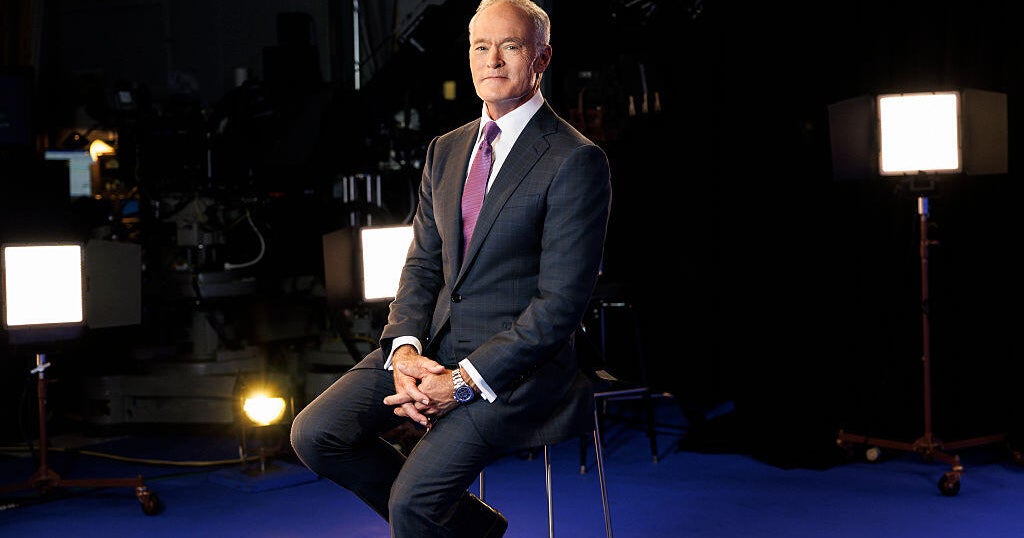
The firing caps a public rupture at 60 Minutes after Pelley challenged CBS News leadership in a staff meeting and accused top executives of damaging the program. CBS says it tried to find common ground; Pelley says he was pushed out after resisting instructions he viewed as false or biased.
A famous TV news show is going through a big fight. One longtime reporter got fired after arguing with the new boss about how the show should work, kind of like a school team changing coaches and arguing over the rules.
Analysis
What happened
CBS News said it has fired Scott Pelley, a longtime 60 Minutes correspondent and former CBS Evening News anchor, after a confrontational staff meeting with new executive producer Nick Bilton. According to the article, Bilton said Pelley had turned the meeting into a public attack on his qualifications and intentions, and later made clear in a private conversation that he was not interested in finding a path forward.
The dispute
The conflict comes amid broader changes at 60 Minutes. Pelley reportedly objected to recent firings and to new management decisions tied to the program’s editorial direction. In comments attributed to him during the meeting, Pelley criticized CBS News editor-in-chief Bari Weiss and Bilton, and said the changes to CBS Evening News had been “catastrophic.” Status, The New York Times, and The Associated Press were cited as sources for details about the meeting.
Pelley’s response
After being fired, Pelley said he was leaving after 37 years at CBS with gratitude for colleagues, but also with anger over what he described as silenced staff, political bias, and pressure to include unverified claims. He also said politicians were being invited to help choose correspondents for interviews, which he argued was not how the broadcast should work.
Bigger picture
CBS News leadership says it wants a “new approach” and wants to build a version of 60 Minutes that can thrive in the 21st century, including expanding beyond the weekly broadcast. The article presents a newsroom in open conflict over editorial standards, management authority, and the identity of a flagship program.
Key points
- CBS News fired Scott Pelley after a tense exchange with new 60 Minutes executive producer Nick Bilton.
- Bilton said Pelley attacked him publicly and showed no interest in collaboration after a private follow-up meeting.
- Pelley said new management pressured him to include falsehoods and unverified claims and that politicians were being given unusual control over interviews.
- CBS leadership says it wants a new approach for 60 Minutes, including expanding the brand beyond the one-hour broadcast.
- The dispute highlights internal turmoil over leadership, editorial standards, and the future of a flagship U.S. news program.
If CBS News and its new leadership can steady the newsroom, the changes could help 60 Minutes reach more viewers and stay influential beyond its weekly broadcast. The company says it wants to keep the show ambitious, fair, and fearless while expanding its role across CBS News.
The public clash could deepen staff distrust and make it harder for the show to function as a stable newsroom. If reporters believe editorial decisions are being driven by management conflict or political pressure, the program could lose morale, credibility, and momentum.