Changing corridors neutralizes naval blockade: deputy agriculture minister
Iran's Deputy Minister of Agriculture for Agricultural Trade Development, Mohammad Reza Talaei, stated that the country has accelerated imports of essential goods after the Islamabad agreement and the lifting of the naval blockade. By shifting the route from the Indian Oc…
Intelligence analysis by Llama
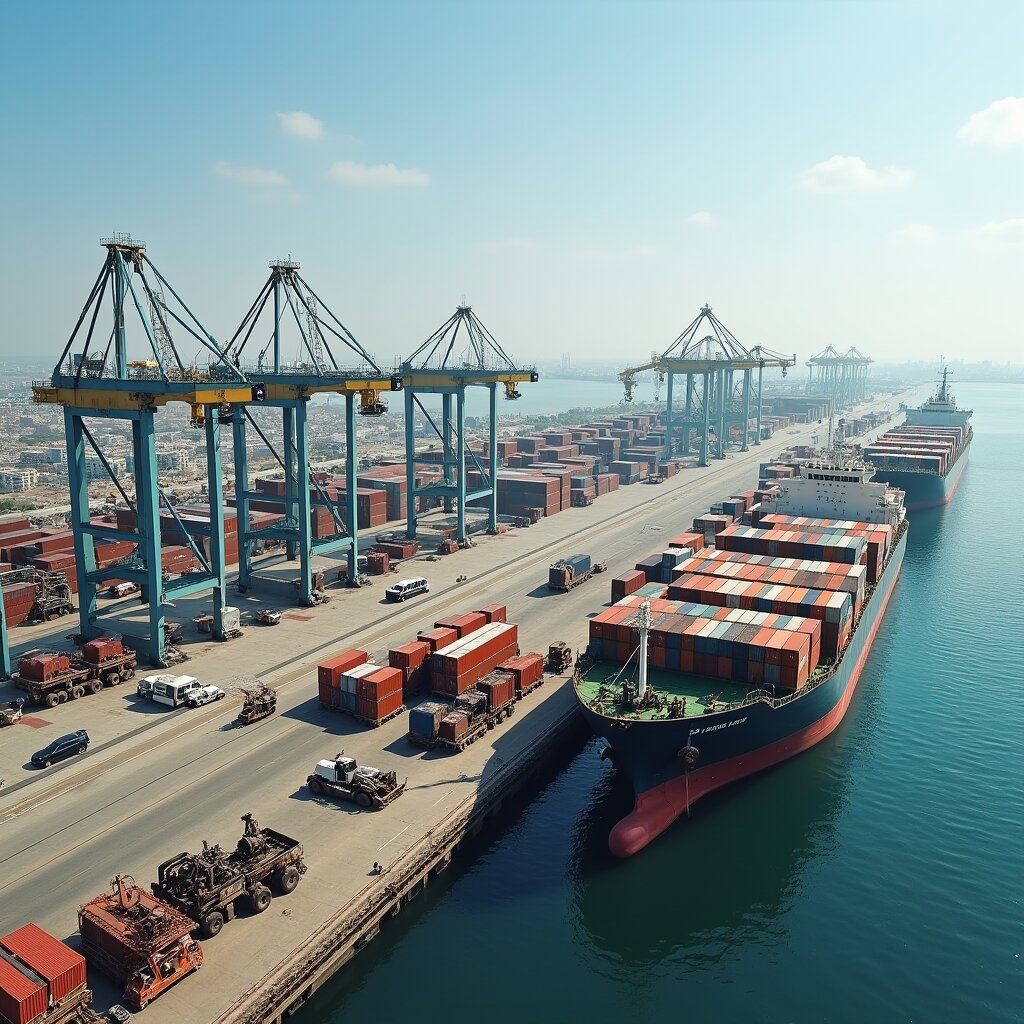
Iran has accelerated imports of essential goods after the Islamabad agreement and the lifting of the naval blockade. The country has shifted the route from the Indian Ocean towards Russian routes and the Caspian Sea to counter the threat of a naval and economic blockade.
Iran is working hard to make sure it has enough food and other important things. It's shifting its trade routes to avoid a naval blockade and is doing a good job so far.
Analysis
A $60B Vote of Confidence
The Deputy Minister of Agriculture for Agricultural Trade Development, Mohammad Reza Talaei, stated that after the Islamabad agreement and the lifting of the naval blockade, imports of essential goods into the country accelerated rapidly. This is a significant development, as it shows that Iran is committed to ensuring the supply of essential goods to its citizens. The country has been able to shift the route from the Indian Ocean towards Russian routes and the Caspian Sea, which has helped to counter the threat of a naval and economic blockade.
Why Cursor?
Talaei emphasized that with the determination and efforts of all relevant bodies, the new naval blockade will certainly not cause any disruption in the supply of essential goods. This is a reassuring statement, as it shows that Iran is prepared to deal with any challenges that may arise. The Deputy Minister also noted that the country has a favorable condition in terms of essential goods reserves, and the supply chain has been able to play its role well in managing the market and maintaining price stability.
The Road Ahead
The Deputy Minister stated that the share of northern ports in the country's total imports has now reached over 30 percent. This is a significant increase, as it shows that the country is diversifying its supply origins and entry points. The Deputy Minister also noted that the primary priority under these conditions is food security and production sustainability. The largest share of imports from northern ports, in terms of importance and volume, pertains to grains and oilseeds, with animal feed barley, animal feed corn, and wheat at the top. The majority of this volume is supplied from Eurasian countries.
Key points
- Iran has accelerated imports of essential goods after the Islamabad agreement and the lifting of the naval blockade.
- The country has shifted the route from the Indian Ocean towards Russian routes and the Caspian Sea to counter the threat of a naval and economic blockade.
- The share of northern ports in the country's total imports has now reached over 30 percent.
- The primary priority under these conditions is food security and production sustainability.
- The largest share of imports from northern ports, in terms of importance and volume, pertains to grains and oilseeds.
If this development continues, Iran may be able to maintain a stable food supply and ensure the import of essential goods. This could lead to a more stable economy and better living conditions for its citizens.
However, if the naval blockade is not lifted, Iran may face significant challenges in ensuring the supply of essential goods. This could lead to food shortages and economic instability.