Chilling effect: Japan’s whistle-blowers weigh high price of speaking out
Whistle-blowers in Japan face financial and legal risks, including damages claims and dismissal, despite laws meant to protect them.
Intelligence analysis by Qwen 2.5 (3B)
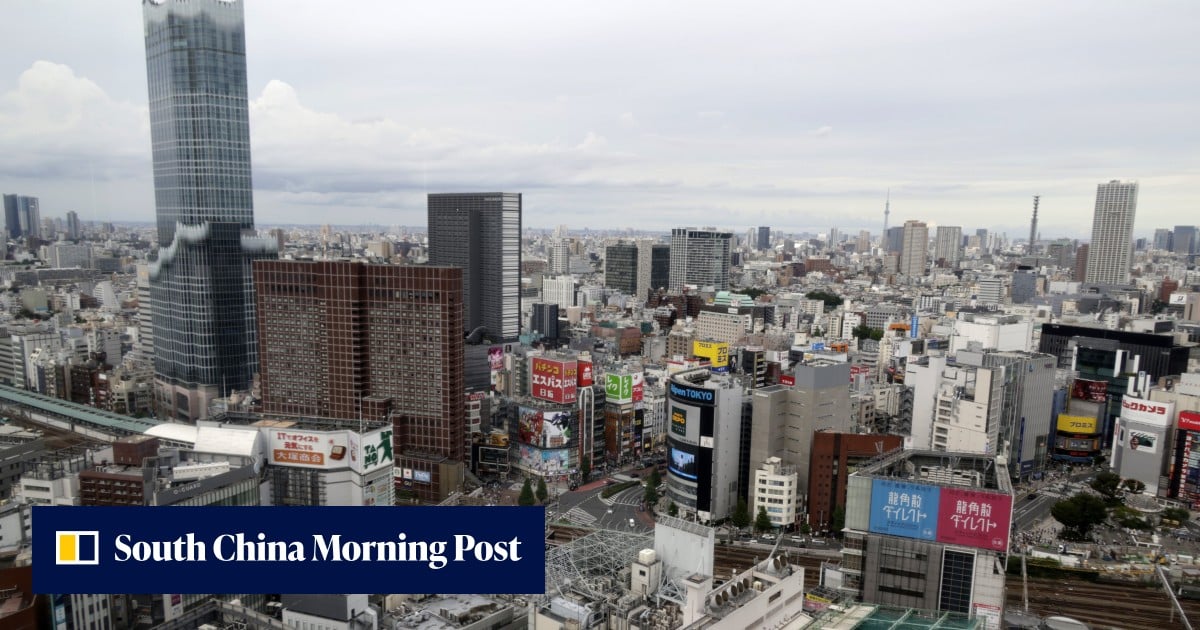
Japanese whistle-blowers face significant financial and legal risks, including damages claims and dismissal, despite laws meant to protect them.
Whistle-blowers in Japan can face big money and legal trouble if they tell the truth about their bosses. This makes it hard for them to keep their jobs and find new ones, so they might not want to speak up anymore.
Analysis
Whistle-blowers in Japan
Kato, a former employee of STAAR Surgical's Japanese subsidiary, faced a 47.88 million yen damages claim after reporting misconduct. This case is not unique, as many other whistle-blowers have reported similar experiences.
Financial Risks
Whistle-blowers in Japan often face substantial financial risks. In Kato's case, he was awarded damages by the Tokyo District Court, but his employer appealed to the high court. The high court ruled in Kato's favor, but the company has appealed to Japan's Supreme Court. This ongoing legal battle has left Kato anxious about the outcome.
Professional Isolation
The legal and financial risks associated with whistle-blowing can also lead to professional isolation. Whistle-blowers may find it difficult to find new employment, as their employers may seek to retaliate against them. This can create a cycle of fear and uncertainty, discouraging others from coming forward.
Legal Challenges
The legal system in Japan can be slow and complex, making it difficult for whistle-blowers to navigate. In Kato's case, the Tokyo District Court dismissed his employer's claim, but the company appealed to the high court. The high court ruled in Kato's favor, but the company has appealed to Japan's Supreme Court. This ongoing legal battle has left Kato anxious about the outcome.
Laws and Retaliation
While laws in Japan are meant to protect whistle-blowers from retaliation, they are not always effective. In Kato's case, his employer pursued a damages claim and dismissed him, despite the laws meant to protect him. This highlights the need for stronger enforcement of these laws and greater support for whistle-blowers.
Support for Whistle-blowers
There is a growing recognition of the need for support for whistle-blowers in Japan. Organizations such as the Japan Association for Whistle-blowers have been established to provide support and resources for those who come forward. However, more needs to be done to ensure that whistle-blowers are protected and supported in their efforts to expose wrongdoing.
Key points
- Whistle-blowers in Japan face significant financial and legal risks
- Laws meant to protect whistle-blowers are not always effective
- There is a growing need for support for whistle-blowers in Japan
With more support and stronger laws, whistle-blowers in Japan can feel safer and more likely to speak up about wrongdoing.
Even with better laws, some bosses might still try to hurt whistle-blowers, so it might be hard for them to get help and keep their jobs.