Xi, Putin to meet in Bishkek for Power of Siberia 2 pipeline talks: Kremlin
Chinese President Xi Jinping and Russian leader Vladimir Putin are set to meet in Bishkek, Kyrgyzstan, to discuss the Power of Siberia 2 pipeline project, according to the Kremlin. This will be their second face-to-face meeting this year, occurring during the Shanghai Coo…
Intelligence analysis by Gemini 2.5 Flash
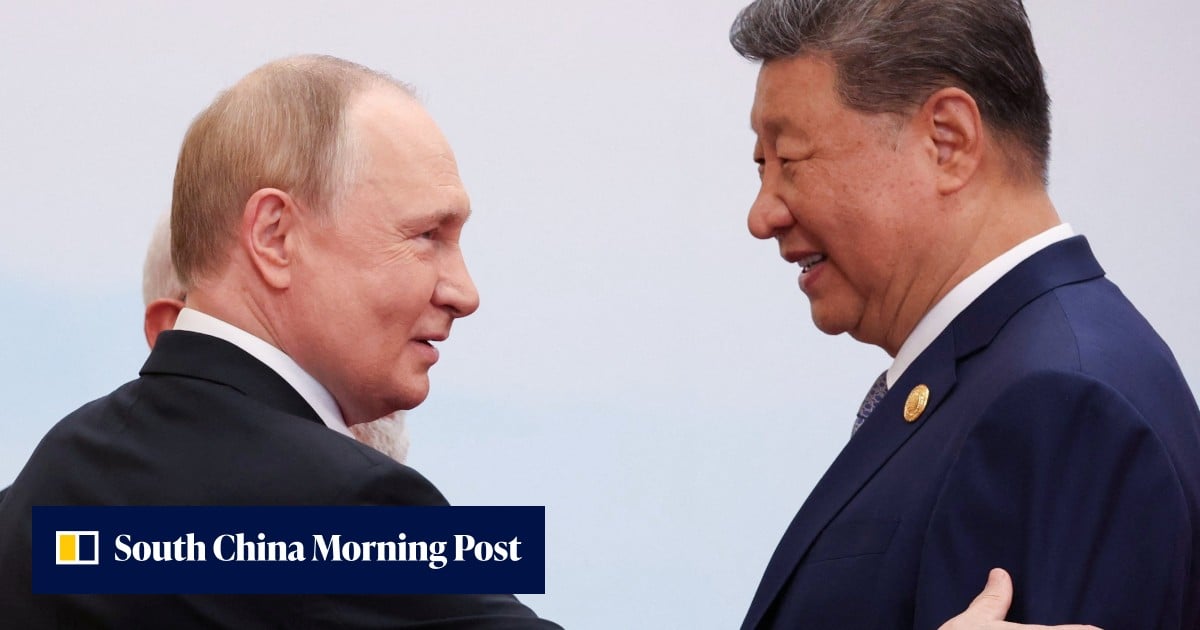
Chinese President Xi Jinping and Russian leader Vladimir Putin are scheduled for bilateral talks in Bishkek, Kyrgyzstan, focusing on the long-stalled Power of Siberia 2 gas pipeline. This meeting, confirmed by the Kremlin, aims to advance a key energy project designed to strengthen energy ties and overall relations between China and Russia.
Imagine two big country leaders, Mr. Xi from China and Mr. Putin from Russia, are meeting up like friends to talk about building a giant gas pipe. This pipe, called Power of Siberia 2, would send lots of natural gas from Russia to China, like a super-long straw. They want to make sure China has enough energy and that their countries stay good partners.
Analysis
Xi Jinping
Chinese President Xi Jinping's decision to meet with Russian leader Vladimir Putin in Bishkek underscores the strategic importance China places on its relationship with Russia, particularly in the energy sector. This bilateral meeting, occurring during the Shanghai Cooperation Organisation (SCO) summit, provides a high-level platform for advancing critical discussions. For China, securing stable and diversified energy supplies is a paramount national interest, and the Power of Siberia 2 pipeline represents a significant component of this long-term strategy.
Xi's engagement reflects China's broader geopolitical calculus, aiming to strengthen partnerships that can counterbalance Western influence and ensure resource security amidst global uncertainties. The timing of this meeting, following Putin's earlier visit to Beijing and a visit by US President Donald Trump, highlights the complex diplomatic landscape China navigates. By prioritizing these talks, Beijing signals its commitment to deepening economic and political ties with Moscow, reinforcing a strategic alignment that has grown in recent years.
Power of Siberia 2
The Power of Siberia 2 pipeline is a flagship energy project designed to substantially increase Russian natural gas deliveries to China. Its discussion at the highest levels of leadership indicates a concerted effort to overcome previous hurdles and finalize the agreement. This pipeline is crucial for Russia's energy strategy, enabling it to redirect gas exports from European markets, which have seen reduced demand and increased political tensions, towards the rapidly growing Chinese market.
For China, the pipeline offers a vital new artery for natural gas, enhancing its energy security by diversifying import routes and reducing reliance on maritime shipments. The project's successful implementation would not only provide a reliable source of clean energy but also deepen the economic interdependence between the two nations. This long-stalled initiative, if finalized, would symbolize a significant step forward in the comprehensive strategic partnership between Beijing and Moscow, cementing their energy alliance for decades to come.
Yury Ushakov
Russian presidential aide Yury Ushakov's confirmation of the bilateral talks regarding the Power of Siberia 2 project provides authoritative insight into the Kremlin's priorities. His statement, as quoted by the Russian news agency Interfax, explicitly highlights that the pipeline issue will be discussed bilaterally between the leaders, separate from the broader Eastern Economic Forum. This emphasis suggests a dedicated focus on resolving the outstanding aspects of the agreement during the Bishkek meeting.
Ushakov's remarks underscore the high-level political will behind the project, indicating that both Moscow and Beijing are keen to move beyond preliminary discussions towards a definitive accord. His role in communicating the agenda signals the strategic importance attached to this energy deal within the Russian government. The aide's public confirmation serves to set expectations for a substantive outcome from the leaders' discussions, reinforcing the project's status as a key pillar of the Russia-China strategic partnership.
Key points
- Chinese President Xi Jinping and Russian leader Vladimir Putin will meet in Bishkek, Kyrgyzstan.
- The primary agenda for their bilateral talks is the Power of Siberia 2 gas pipeline project.
- This meeting marks their second face-to-face encounter this year.
- The discussions will take place during Xi's state visit to Kyrgyzstan and the Shanghai Cooperation Organisation (SCO) summit.
- Russian presidential aide Yury Ushakov confirmed the bilateral nature and importance of these talks.
Finalizing the Power of Siberia 2 agreement could secure a stable, long-term energy supply for China, bolstering its energy security and economic growth. For Russia, it would solidify a crucial export market, diversifying its energy sales away from Europe and strengthening its economic ties with a major global power.
If the Power of Siberia 2 agreement remains stalled or faces further delays, it could signal underlying difficulties in the China-Russia energy partnership, potentially forcing China to seek alternative, less favorable energy sources. For Russia, it would mean continued uncertainty in its pivot to Asian energy markets, impacting its long-term economic strategy.