China bridesmaid, 20, suffers spinal fracture during wedding hazing, court orders S$43,872 compensation
A 20-year-old bridesmaid in China suffered a spinal fracture during a wedding hazing ritual when groomsmen tossed her in the air and failed to catch her. A court ordered the married couple and those involved to pay S$43,872 in compensation for her serious level-nine disab…
Intelligence analysis by Gemini 2.5 Flash
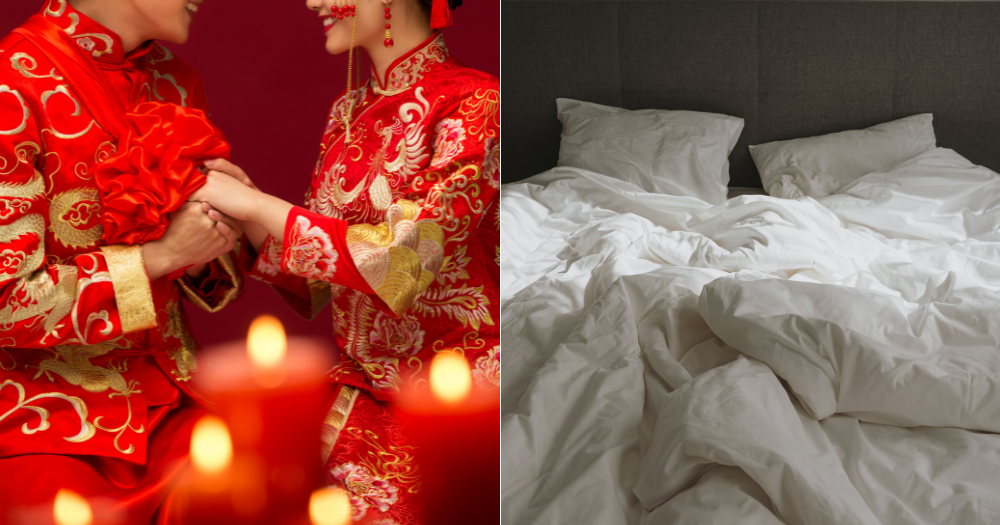
A traditional Chinese wedding hazing ritual, known as 'hun nao,' intended to create a festive atmosphere, turned violent when a bridesmaid was severely injured. The incident highlights the dangerous escalation of some customs, leading to legal action and a significant compensation order against the couple and participants for their negligence.
Imagine playing a game at a party where someone gets hurt because the game went too far. That's what happened to a 20-year-old girl in China who was a bridesmaid. During a wedding game, some men tossed her in the air, but they dropped her, and she broke her back. A judge said the people involved, including the bride and groom, have to pay her money because they weren't careful.
Analysis
The Perilous Tradition of 'Hun Nao'
Wedding hazing, or 'hun nao' in Chinese, has been a part of traditional Chinese wedding customs for thousands of years, originally intended to create a festive atmosphere and ward off evil spirits. However, these rituals have increasingly come under criticism as some have escalated into acts of violence and humiliation, moving far beyond their initial benign intent. This particular incident involved a 20-year-old bridesmaid, surnamed Zhang, who was invited to a wedding in Ruyang, Henan Province.
During the wedding party in the bridal chamber, Zhang was reportedly dragged from a closet by a groomsman and pushed onto a bed. A group of approximately ten men, mostly groomsmen, then proceeded to toss her into the air using a bedsheet. After the second toss, they failed to catch her, causing her to fall to the floor and sustain a lumbar vertebral fracture. This severe injury led to her hospitalization for 18 days and, about a year later, a forensic judicial institution assessed her with a serious level-nine disability, corresponding to a 20 percent disability rate in China's injury assessment system.
Accountability and Legal Ramifications
Following her injury, Zhang pursued legal action against the married couple and the individuals involved in the prank, seeking 270,000 yuan (S$51,506) in compensation. The court's ruling was significant, holding the married couple responsible for Zhang's injuries because they were aware of the wedding hazing but failed to intervene and stop it in time. This highlights a crucial aspect of liability, where hosts of an event can be held accountable for dangerous activities occurring under their watch.
Furthermore, Wang Moubing, the groomsman who initiated the act by pulling Zhang out of the closet, was specifically found to be at fault. The other participants involved in the tossing could not prove their non-involvement and were consequently held jointly liable. The court ultimately ordered the parties involved to pay Zhang a total of 230,000 yuan (S$43,872) in compensation. The married couple was mandated to bear approximately 40 percent of this sum, Wang about 22 percent, with the remaining liability distributed among the other participants. This comprehensive allocation of responsibility underscores the collective nature of negligence in such group activities.
Broader Implications for Social Customs
This case adds to a growing body of incidents that have drawn public scrutiny to the excesses of 'hun nao' rituals in China. The court's decision serves as a stark reminder of the severe legal and personal consequences that can arise when traditional customs devolve into dangerous and harmful acts. It sends a clear message that cultural practices do not exempt individuals from legal accountability for negligence or harm caused.
The ruling could potentially contribute to a broader societal re-evaluation of wedding hazing, encouraging families and participants to prioritize safety and respect over potentially dangerous pranks. It may also prompt greater awareness among wedding planners and attendees about the legal liabilities involved, fostering a more responsible approach to celebratory events. Ultimately, this incident and its legal resolution could serve as a catalyst for reform, pushing for safer and more considerate ways to celebrate, ensuring that joy is not overshadowed by injury or legal disputes.
Key points
- A 20-year-old bridesmaid in China suffered a spinal fracture during a wedding hazing ritual.
- She was tossed into the air by groomsmen and fell to the floor, resulting in a serious level-nine disability.
- A court ordered the married couple and other participants to pay 230,000 yuan (S$43,872) in compensation.
- The court found the couple responsible for not stopping the hazing and held the groomsman who initiated the act, along with others, liable.
- The incident highlights the dangers of traditional wedding pranks escalating into violence and humiliation.
The court's ruling sets a precedent for accountability in wedding hazing incidents, potentially deterring future dangerous pranks and encouraging safer celebrations. This could lead to a cultural shift where traditional rituals are re-evaluated for participant safety and respect.
Despite the court's ruling, deeply ingrained cultural practices like 'hun nao' may be slow to change, potentially leading to more incidents if awareness and enforcement remain insufficient. There's a risk that such pranks could continue, with participants underestimating the severe legal and personal consequences.