China releases powerful DNA-screening AI tool for free to help fight rare diseases
Chinese researchers have created an open-source AI system called OneGenome that can bridge the gap between raw DNA sequences and clinical literature to formulate treatment approaches for rare diseases.
Intelligence analysis by Llama
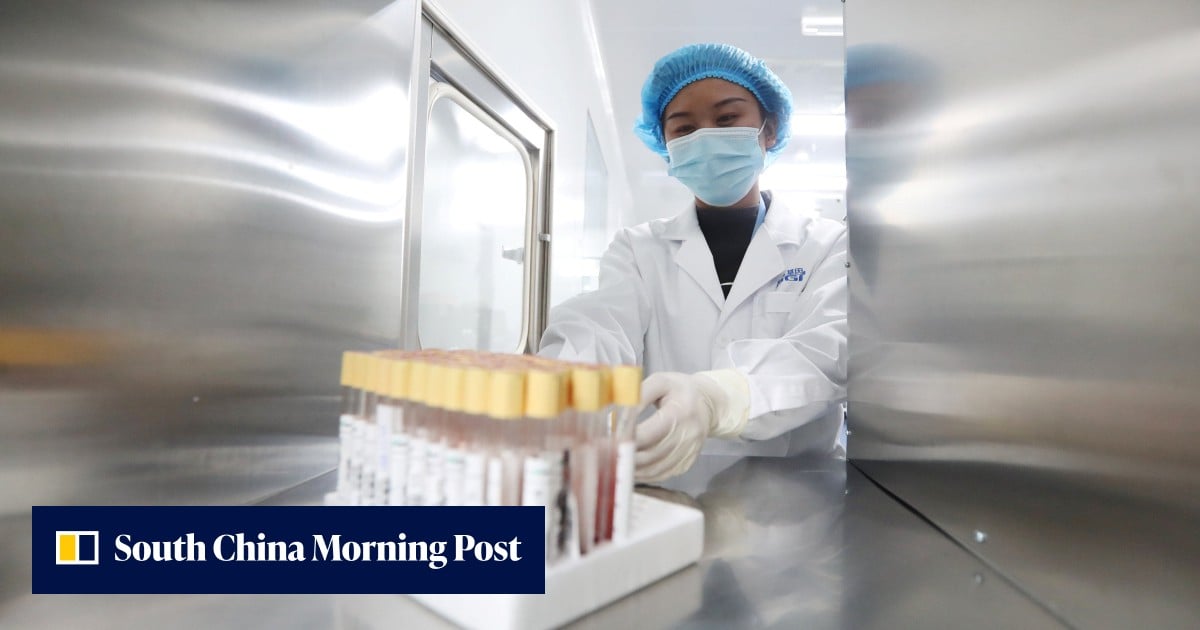
The AI system, OneGenome, has outperformed traditional gene models in multiple clinical diagnostic and medication guidance tests. It uses accumulated human medical logic to interpret the clinical consequences of gene mutations.
Imagine you have a big puzzle with millions of pieces, and each piece is a tiny part of your DNA. The puzzle is really hard to solve, but a new tool called OneGenome is like a super-smart friend who can help you figure out the puzzle by looking at all the pieces and finding the right clues. This tool can help doctors find the right treatment for people with rare diseases.
Analysis
Background
Chinese researchers have created an open-source AI system called OneGenome that can bridge the gap between raw DNA sequences and clinical literature to formulate treatment approaches for rare diseases. The AI system, OneGenome, has outperformed traditional gene models in multiple clinical diagnostic and medication guidance tests.
What Changed
OneGenome uses accumulated human medical logic to interpret the clinical consequences of gene mutations. It was developed by integrating Genos – a genomic foundational model released last year that was trained on human genomes to represent diverse global populations – with large language model capabilities.
Implications
The open-source AI framework has the potential to provide equitable access to precision medicine and help decode rare diseases, which are mostly genetic in origin. The team hopes the tool will help shorten the time frame for patients navigating rare diseases, which can be a gruelling marathon often called the “diagnostic odyssey”.
Key points
- Chinese researchers have created an open-source AI system called OneGenome that can bridge the gap between raw DNA sequences and clinical literature to formulate treatment approaches for rare diseases.
- OneGenome has outperformed traditional gene models in multiple clinical diagnostic and medication guidance tests.
- The AI system uses accumulated human medical logic to interpret the clinical consequences of gene mutations.
- The open-source AI framework has the potential to provide equitable access to precision medicine and help decode rare diseases.
If OneGenome is widely adopted, it could lead to faster and more accurate diagnoses for rare diseases, which could improve patient outcomes and quality of life.
However, there are concerns about the potential biases in the training data for OneGenome, which could affect its accuracy and fairness. Additionally, the tool may not be accessible to all patients, particularly those in low-income countries.