China tells carmakers, suppliers to avoid price wars abroad to pave way for healthy growth
Beijing has instructed Chinese carmakers and component suppliers to cease offering steep discounts in overseas markets, aiming to foster healthy, long-term global expansion.
Intelligence analysis by Gemini 2.5 Flash
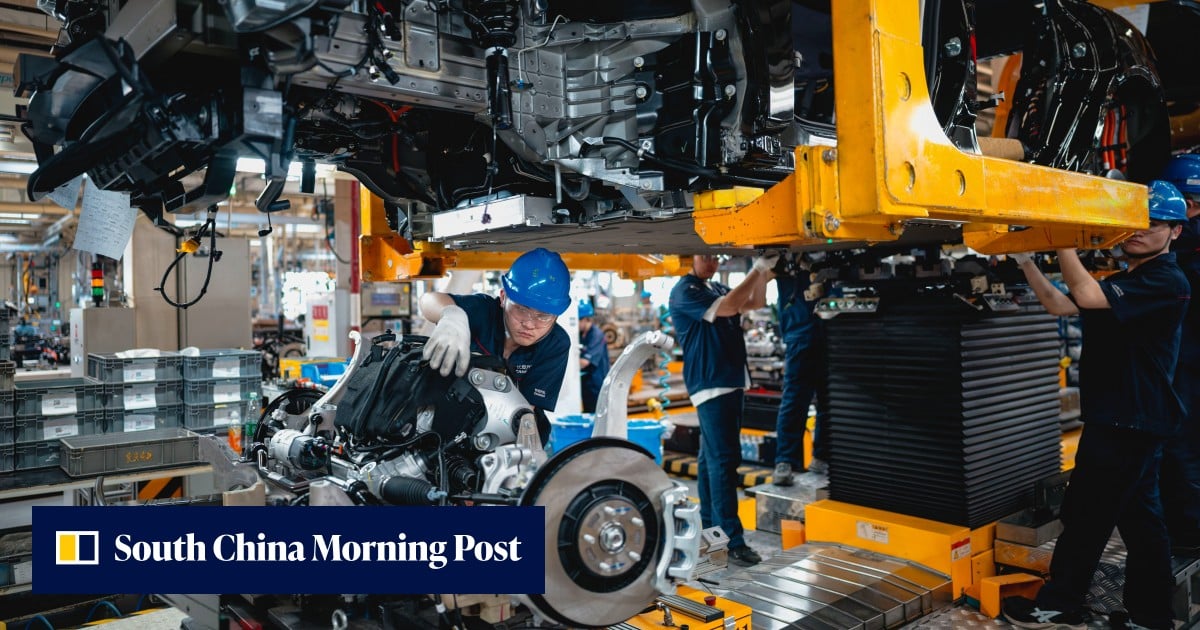
Three ministry-level authorities in China have issued new guidelines for the first time, urging domestic automotive companies to avoid aggressive price wars abroad. This move is intended to enhance their global competitiveness and promote sustainable growth as Chinese electric vehicle (EV) makers accelerate their international expansion.
Imagine you have a toy car company, and you're selling your cool cars all over the world. China, where many of these toy cars come from, is telling its companies not to sell their cars too cheaply in other countries. They want their companies to grow strong and healthy for a long time, like a well-fed plant, instead of having a big fight over who can sell the cheapest car. This way, they can keep making better and better cars for everyone.
Analysis
Beijing's Strategic Intervention
Beijing has taken a decisive step to regulate the overseas expansion of its burgeoning automotive industry, particularly focusing on electric vehicles (EVs). The directive for carmakers and component suppliers to avoid steep discounts abroad signals a strategic shift from aggressive market penetration at any cost to a more sustainable, long-term growth model. This intervention underscores the government's commitment to nurturing a globally competitive industry that can command influence and secure lasting gains, rather than being embroiled in potentially damaging price wars.
The policy reflects a recognition that while rapid expansion is desirable, it must be underpinned by sound economic practices that do not undermine the industry's profitability or reputation. By encouraging compliance and cooperation, Beijing aims to elevate the overall standing of Chinese automotive brands and their supply chains on the international stage. This approach is crucial for an industry that is increasingly seen as a key pillar of China's advanced manufacturing capabilities and technological prowess.
Ministry of Commerce Guidelines
The new guidelines, jointly issued by the Ministry of Commerce, the Ministry of Industry and Information Technology, and the State Administration for Market Regulation, represent a landmark effort to formalize the conduct of Chinese carmakers overseas. These are the first such comprehensive rules governing the international activities of the country's automotive sector. The stated objective is to promote the "long-term, healthy development of the Chinese automotive industry in international markets" and to strengthen "compliance and wield international influence."
While the guidelines emphasize cooperation within the global automotive industry and supply chain, they notably do not specify punishments for non-compliance. This omission suggests an initial phase of guidance and encouragement, rather than immediate punitive measures. The focus appears to be on fostering a culture of responsible competition and collaboration, allowing companies to leverage their technological and cost advantages without resorting to tactics that could trigger international backlash or harm their own financial stability.
Gao Shen's Market Analysis
Independent analyst Gao Shen highlighted that the regulatory intervention was prompted by "initial signs that Chinese carmakers would launch harsh discount wars abroad." This observation provides critical context for Beijing's proactive stance, indicating that the government is pre-empting potential market disruptions rather than reacting to an ongoing crisis. The rapid overseas expansion of Chinese EV makers and their supply chain vendors, including battery producers and software providers, has been a significant trend over the past two years, driven by surging exports and rising local production.
Shen's analysis suggests that the regulators are keen to prevent a repeat of domestic price wars, which have at times squeezed profit margins and created instability within the Chinese market. By extending this cautionary approach to international markets, Beijing aims to protect the long-term viability and reputation of its automotive champions. The emphasis on technological and cost advantages implies that Chinese companies should compete on innovation and efficiency, rather than simply undercutting rivals on price, thereby ensuring a more sustainable and respected presence in global markets.
Key points
- Beijing has ordered Chinese carmakers and component suppliers to avoid steep discounts in overseas markets.
- Three ministry-level authorities jointly issued guidelines to promote healthy, long-term development and global competitiveness.
- The guidelines aim to prevent 'harsh discount wars abroad' as Chinese EV makers accelerate international expansion.
- The policy encourages strengthening compliance and international influence, but does not specify punishments for non-compliance.
- Chinese EV makers and their supply chain, including software providers, have been rapidly expanding overseas due to technological and cost advantages.
This policy could lead to more sustainable growth for Chinese EV manufacturers, allowing them to invest more in research and development, including advanced AI technologies for vehicles. By avoiding destructive price wars, these companies may achieve healthier profit margins, fostering long-term innovation and enhancing their global reputation for quality and technological leadership.
Without specified punishments for non-compliance, the effectiveness of these guidelines might be limited, potentially leading some companies to continue aggressive discounting. This could still trigger international trade tensions or undermine the intended goal of fostering healthy competition, especially if market pressures remain intense.