Manus resumes solo operations after collapse of US$2 billion Meta deal
Chinese-founded AI start-up Manus has formally resumed independent operations after Beijing blocked its US$2 billion acquisition by Meta Platforms. Its founders will continue to lead the firm as an "independent agent lab."
Intelligence analysis by Gemini 2.5 Flash
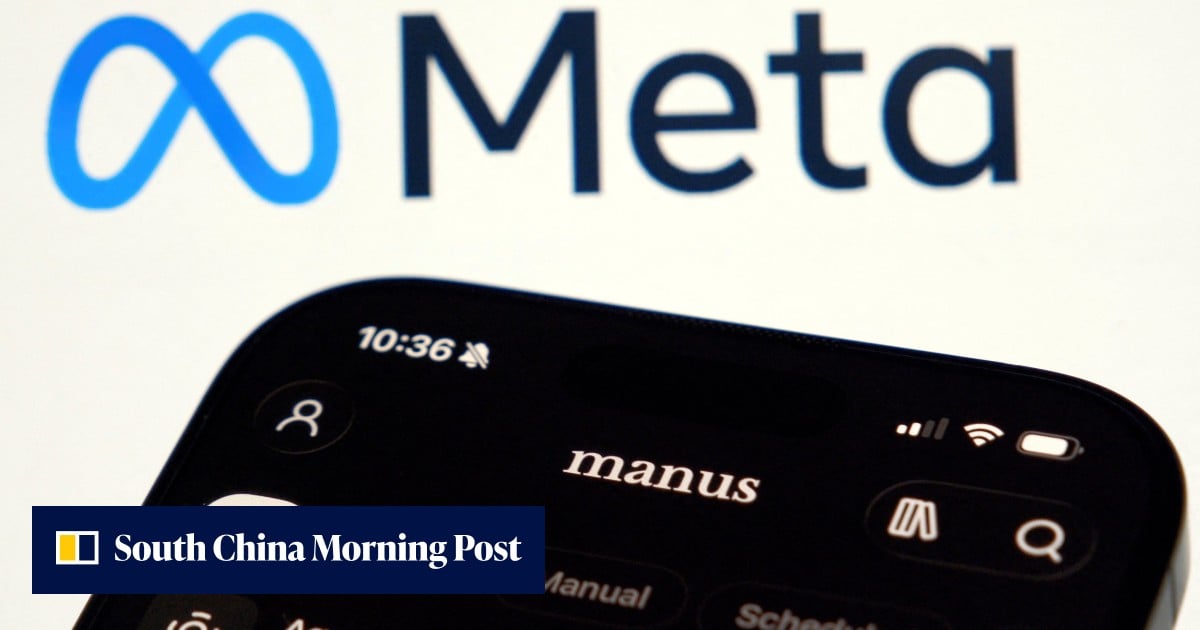
The collapse of the Meta-Manus deal, due to regulatory intervention from Beijing, has forced the AI start-up to revert to its original independent status. This development highlights the increasing geopolitical complexities and regulatory hurdles impacting cross-border technology mergers, particularly those involving Chinese firms and sensitive AI technology.
Imagine a smart robot company called Manus was going to join a bigger company called Meta, like a small toy company joining a big toy store. But a big boss (Beijing) said "no" because of rules. So Manus is now back to being its own company, making its smart robots all by itself, and they even had to fix some of their robot's memories because of the change.
Analysis
The recent announcement by Manus, a Chinese-founded artificial intelligence start-up, to resume independent operations marks a significant development in the global technology landscape. This decision comes more than four months after Beijing's regulatory authorities effectively torpedoed its US$2 billion acquisition by Meta Platforms. The collapse of such a substantial deal underscores the escalating complexities and geopolitical sensitivities now inherent in cross-border technology mergers, particularly when involving advanced AI capabilities. Manus, known for developing autonomous AI agents capable of complex tasks like web research and report writing, now faces the challenge of charting its future as an "independent agent lab" without the financial backing and expansive ecosystem that Meta would have provided.
US$2 Billion Acquisition
The proposed US$2 billion acquisition of Manus by Meta Platforms was poised to be a landmark deal, reflecting the intense competition among tech giants to acquire cutting-edge AI talent and technology. For Manus, this acquisition would have offered immense resources, global reach, and accelerated development opportunities, allowing its autonomous AI agents to potentially integrate into Meta's vast array of products and services. For Meta, securing Manus's expertise would have bolstered its AI capabilities, particularly in agent-based systems, which are increasingly seen as a frontier in artificial intelligence. The sheer scale of the deal highlights the perceived value and strategic importance of Manus's technology within the AI sector. The failure of this acquisition represents a missed opportunity for both companies to combine their strengths and potentially accelerate innovation in the field of AI agents.
Beijing's Intervention
Beijing's decision to block the acquisition is a critical aspect of this story, setting a potentially far-reaching precedent for global deal-making involving Chinese-founded tech start-ups. While the specific regulatory concerns were not fully detailed in the article, such interventions often stem from national security considerations, data sovereignty issues, or concerns over foreign control of strategic technologies. The blockage signals a clear intent by Chinese authorities to exert greater control over the ownership and operation of domestic AI firms, especially those with advanced capabilities. This regulatory stance could deter future foreign investment in Chinese tech companies and compel international firms to re-evaluate their strategies for engaging with the Chinese market, leading to a more fragmented global tech ecosystem.
Manus' Next Chapter
Following the collapse of the Meta deal, Manus has formally resumed independent operations, with its founding team continuing to lead the firm as an "independent agent lab." This transition has not been without its challenges, as Manus notified users about erasing and restoring data generated after December 29, the original acquisition date, to comply with "regulatory requirements in specific parts of the world." This data management exercise underscores the operational complexities and compliance burdens imposed by the regulatory blockage. As Manus embarks on its "next chapter," it must now navigate the competitive AI landscape as a standalone entity, relying on its own innovation and strategic partnerships to secure funding and market share. The company's ability to thrive independently will serve as a crucial test case for other AI startups facing similar geopolitical and regulatory headwinds.
Key points
- Manus, a Chinese-founded AI start-up, has resumed independent operations.
- This follows Beijing's blockage of its US$2 billion acquisition by Meta Platforms.
- The company's founders will continue to lead it as an "independent agent lab."
- Manus had to erase and restore some user data to comply with regulatory requirements.
- The deal's collapse could set a precedent for global tech deal-making involving Chinese start-ups.
Manus, now operating independently, could leverage its "agent lab" model to innovate without the constraints of a larger corporate structure, potentially fostering unique AI advancements. The experience might also lead to more resilient business models for other startups facing similar regulatory challenges.
The collapse of the Meta deal could significantly hinder Manus's growth trajectory and access to capital, forcing it to navigate a competitive AI landscape without the substantial resources and market reach Meta would have provided. This regulatory precedent might also deter future foreign investment in Chinese tech startups.