China's Nuclear Arsenal: What It Says and What It Doesn't
China has been secretive about its nuclear arsenal, but recent developments suggest a rapid modernization of its nuclear capabilities. The country has rejected US requests to participate in trilateral talks on arms control with Washington and Moscow.
Intelligence analysis by Llama
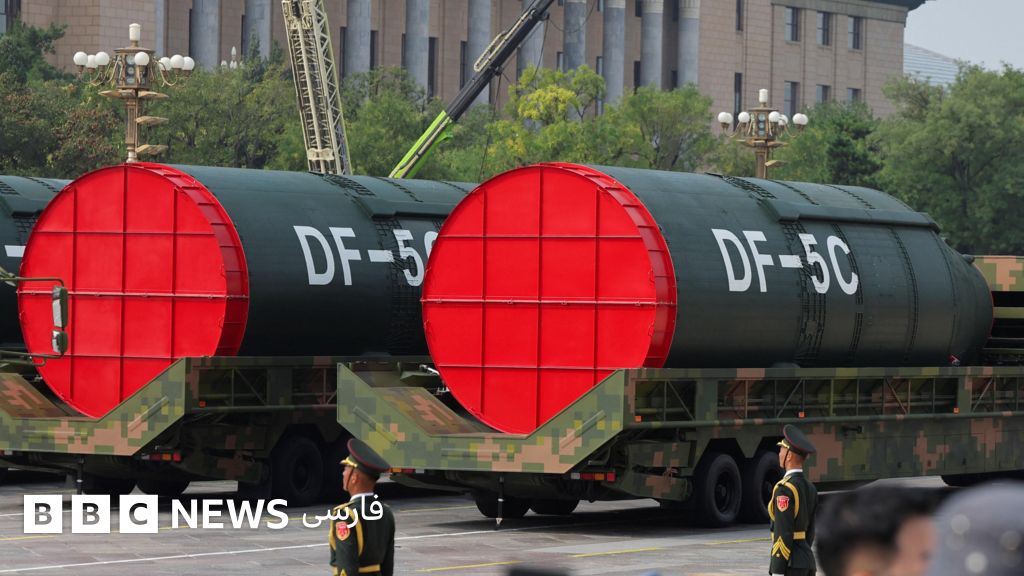
China's nuclear policy is shrouded in secrecy, but the country has been rapidly modernizing its nuclear capabilities. The US has requested China's participation in trilateral talks on arms control, but Beijing has rejected the offer.
Imagine you're playing a game of chess, and you have a special piece called the 'nuclear king.' China has been building up its nuclear king, and it's making other countries nervous. This is because China's nuclear policy is not very clear, and it's making it hard for other countries to know what to expect.
Analysis
A $60B Vote of Confidence
China's nuclear modernization is a significant development in the global nuclear landscape. The country has been rapidly modernizing its nuclear capabilities, with estimates suggesting that it has added around 100 nuclear warheads to its arsenal each year between 2023 and 2025. This rapid modernization has raised concerns about China's nuclear intentions and its implications for regional and global security.
Why China's Nuclear Policy Matters
China's nuclear policy is shrouded in secrecy, but the country has been clear about its intentions. Beijing has stated that its nuclear policy is based on a
Key points
- China has been rapidly modernizing its nuclear capabilities, with estimates suggesting that it has added around 100 nuclear warheads to its arsenal each year between 2023 and 2025.
- China has rejected US requests to participate in trilateral talks on arms control with Washington and Moscow.
- China's nuclear policy is shrouded in secrecy, but the country has been clear about its intentions.
- Beijing has stated that its nuclear policy is based on a
- China's nuclear modernization has raised concerns about its nuclear intentions and its implications for regional and global security.
If China's nuclear modernization continues at a rapid pace, it could lead to a more stable and secure regional and global environment. This is because a stronger nuclear deterrent could prevent conflicts and promote dialogue between nations.
On the other hand, China's nuclear modernization could lead to a new arms race, with other countries feeling pressured to increase their own nuclear capabilities. This could lead to a more unstable and insecure environment, with increased tensions and conflict.