Chip supply chain braces for more price hikes as upstream parts create new bottlenecks
The AI-driven surge in semiconductor demand is causing price increases beyond GPUs and memory chips, affecting upstream materials and manufacturing inputs, which creates new bottlenecks.
Intelligence analysis by Gemini 2.5 Flash
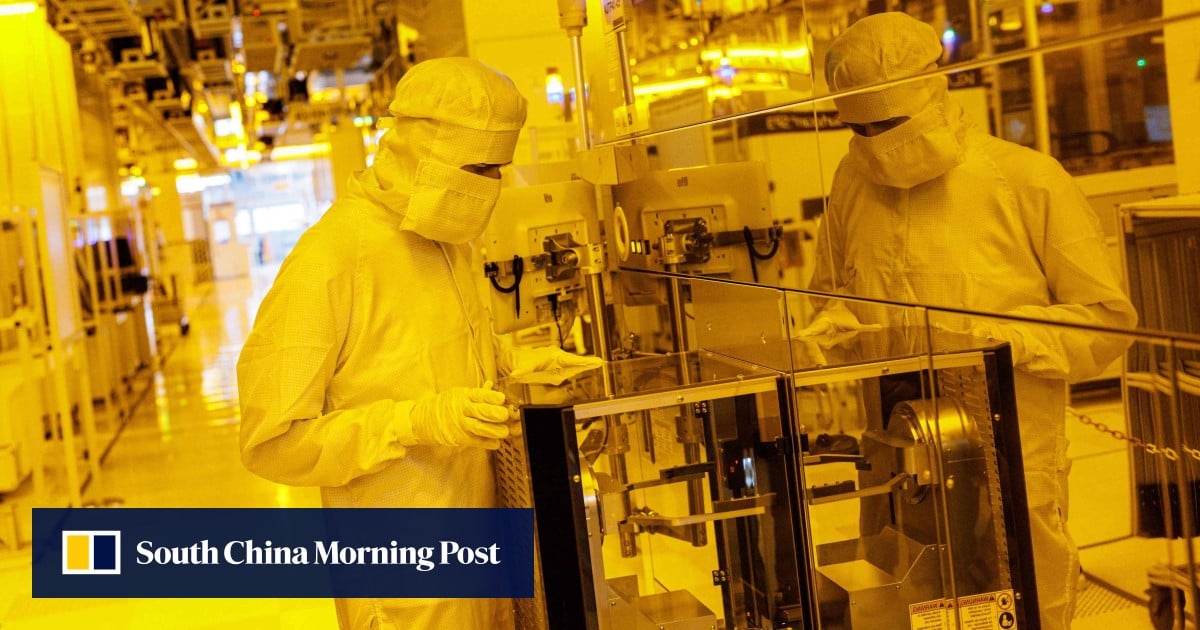
The booming demand for artificial intelligence is driving up costs across the entire semiconductor supply chain, impacting even less-visible components like power chips, capacitors, and raw materials. This widespread inflation is creating new challenges and potential slowdowns for the global buildout of AI infrastructure.
Imagine building a super-smart robot brain, which needs lots of tiny parts, not just the main computer chip. Because everyone wants these super-smart brains, even the small, hidden parts like tiny power regulators and circuit boards are getting much more expensive, like when everyone wants the same toy and the store raises its price. This makes it harder and pricier to build all the new robot brains we need.
Analysis
The Expanding Ripple Effect of AI Demand
The insatiable demand for artificial intelligence, particularly for advanced computing capabilities, is now extending its influence far beyond the most obvious components like graphics processing units (GPUs) and high-bandwidth memory chips. The article highlights a significant shift where the price surge is permeating upstream materials and manufacturing inputs, creating a broader inflationary pressure across the semiconductor ecosystem. This indicates that the AI boom's impact is not confined to finished products but is fundamentally reshaping the economics of foundational components.
This widespread effect means that even parts previously considered less critical or abundant are now becoming strategic bottlenecks. As companies race to build out global AI infrastructure, the competition for these essential, yet often overlooked, components intensifies. The article points out that suppliers of these upstream parts are gaining considerable leverage, leading to widespread price adjustments that are no longer limited to niche products but are spreading across wider categories.
Critical Components Facing Escalating Costs
Several key components are identified as being at the forefront of these price hikes. Power semiconductors and capacitors, vital for regulating electricity within AI data centers, are now entering a significant price-increase cycle. According to Sinolink Securities analyst Liu Gaochang, AI servers require three to ten times more capacitors than traditional servers, leading to 'fully loaded' orders for power components. This surge in demand is directly translating into higher costs for manufacturers and, subsequently, for end-users building AI systems.
Beyond these electrical components, the price increases are also affecting fundamental materials like copper-clad laminates and glass fabric, which form the base of printed circuit boards (PCBs). Industrial gases, valves, and ceramic parts used in the intricate chipmaking process are also experiencing cost inflation. Notably, Japan's Murata Manufacturing, a leading producer of multilayer ceramic capacitors (MLCCs), is set to raise prices for products used in AI servers and high-end automotive electronics by 10 to 40 percent, as reported by Shanghai Securities News. This broad spectrum of affected components underscores the systemic nature of the supply chain challenges.
Implications for AI Infrastructure Development
The escalating costs and emerging bottlenecks in upstream semiconductor components pose significant challenges for the continued expansion of global artificial intelligence infrastructure. As the foundational elements required for AI data centers become more expensive and harder to procure, the overall cost of building and operating these facilities will inevitably rise. This could lead to increased capital expenditure for companies investing in AI, potentially slowing down the pace of development and deployment.
Furthermore, the scarcity of these critical parts could create delays in manufacturing and delivery schedules, hindering the rapid scaling of AI capabilities. The article suggests that these new bottlenecks could 'slow the buildout' of necessary infrastructure, implying a potential deceleration in the broader AI industry's growth trajectory. Companies reliant on a steady supply of these components will need to adapt to a more volatile and costly supply chain environment, which could impact their ability to innovate and compete effectively in the rapidly evolving AI landscape.
Key points
- AI-driven demand is causing price surges beyond GPUs and memory chips to upstream materials and manufacturing inputs.
- Components like power semiconductors, capacitors, copper-clad laminates, and industrial gases are experiencing price increases.
- AI servers require significantly more capacitors and power components than traditional servers, leading to 'fully loaded' orders.
- Major suppliers like Murata Manufacturing are raising prices for critical components by 10 to 40 percent.
- These new bottlenecks and rising costs could slow the buildout of global artificial intelligence infrastructure.
The widespread price hikes and new bottlenecks in upstream semiconductor components could significantly increase the cost and slow the pace of building essential AI infrastructure, potentially hindering the rapid development and deployment of AI technologies globally. This could lead to higher operational costs for AI companies and a deceleration in innovation.