Concern grows over conditions on USS Abraham Lincoln
Reports of harsh conditions aboard the USS Abraham Lincoln are raising alarm as the carrier stays deployed in the Middle East far longer than planned.
Intelligence analysis by GPT-5.4 Mini
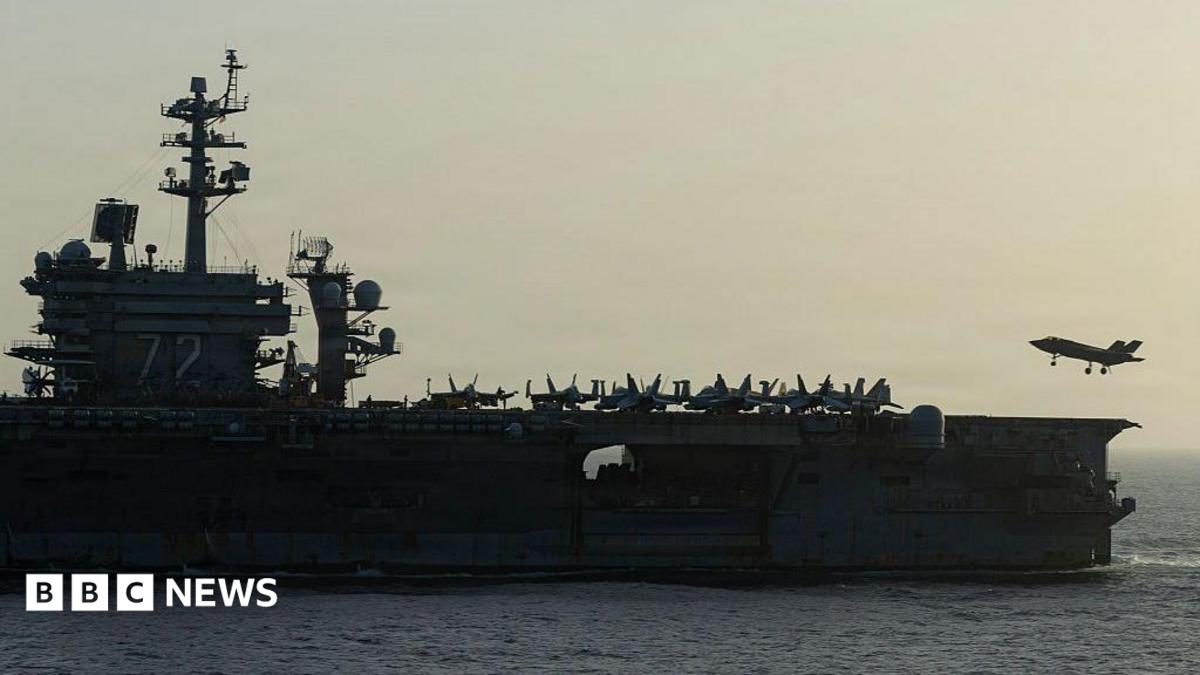
A U.S. carrier extended deep into a Middle East deployment is now at the center of concern over crew conditions, mental health, and supply strains. The Navy says mission needs have disrupted normal logistics, while lawmakers are pressing for answers.
A giant ship full of sailors has been away much longer than expected, and some people say life on board has become very hard. It is like asking one school bus to keep driving without a proper break, while everyone inside starts running low on snacks, sleep, and patience.
Analysis
USS Abraham Lincoln
The carrier has become a symbol of the human cost of prolonged military deployment. According to the article, it left San Diego in November, was sent into the Middle East before the attacks on Iran in February, and has now been at sea for more than 250 days with no return date announced.
That timeline matters because long deployments do not only test equipment and logistics. They also test morale, routine, and the Navy's ability to keep thousands of people functioning in a confined environment while operational demands keep rising.
Richard Blumenthal
Senator Richard Blumenthal's letter turns scattered reports into a formal political problem. He cited shortages of supplies, water contamination, plumbing issues, mental health concerns, deck safety worries, and mail disruptions, and argued that the reports warrant immediate attention.
His broader point goes beyond one ship. The article says he questioned whether the Navy can sustain the operational tempo now being demanded of its carrier force, which frames the issue as a readiness problem as much as a welfare issue.
USS George Washington
The reported plan to replace the Lincoln with the USS George Washington suggests the Pentagon is still trying to manage the strain through rotation rather than escalation. That is an important signal, because it implies the deployment is not an open-ended improvisation, even if the original schedule has already slipped.
Still, a rotation plan does not erase the criticism. If a replacement arrives only after months of extension, the underlying concern remains whether the Navy is asking too much of a carrier strike group in an active war environment, and whether the system can absorb that pressure without more visible breakdowns.
Key points
- The USS Abraham Lincoln has been deployed for more than 250 days, far longer than originally planned.
- Reports cited food shortages, broken plumbing, water concerns, and possible suicide attempts aboard the ship.
- The Navy said the reports were misrepresented and that mission-critical supplies were being prioritized.
- Senator Richard Blumenthal asked the Pentagon for answers and questioned the Navy's ability to sustain its carrier force.
- The BBC reports that the USS George Washington may replace the Lincoln as part of a rotation plan.
If the planned carrier rotation happens, it could ease pressure on the crew and improve living conditions. The attention from lawmakers and the Navy may also push faster fixes for supplies, plumbing, and other basic needs.
If the deployment keeps stretching, morale and mental health could worsen further. Continued reports of shortages or safety problems would deepen scrutiny of the Navy and raise more questions about the cost of the mission.