Ukraine 'offers Russia deal to halt attacks on civilian ships in Black Sea'
Ukraine has reportedly proposed a Black Sea deal with Russia to stop attacks on civilian ships and reopen a key grain route.
Intelligence analysis by GPT-5.4 Mini
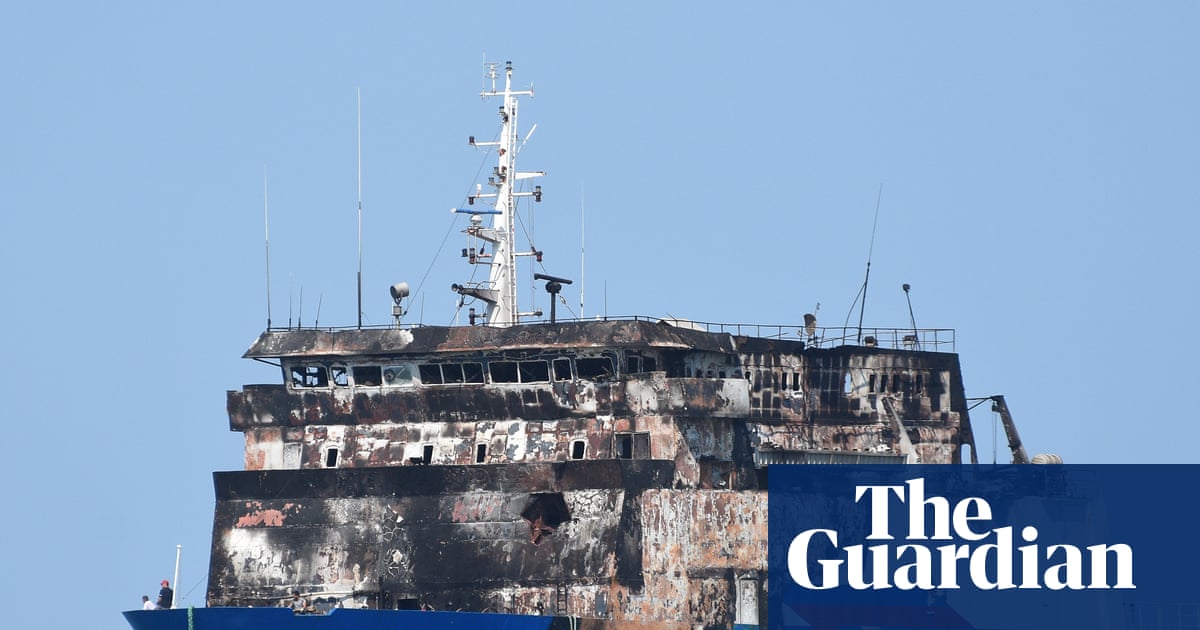
The reported offer looks less like trust than pragmatism: both sides have been hitting shipping, grain exports are stalled, and the Black Sea has become a pressure point for food security, naval positioning, and oil trade.
The Black Sea is like a big water highway for food and goods. If Ukraine and Russia stop attacking the ships, more grain could move again and fewer people far away would worry about food getting stuck.
Analysis
Black Sea
The reported proposal shows how the Black Sea has become a bargaining table as much as a battlefield. Ukraine and Russia are both using maritime disruption to shape leverage, but the article suggests each side also has something to gain from a narrower pause.
That is why the idea feels pragmatic rather than reconciliatory. The sea route matters for grain, other foodstuffs, and commercial movement, so a limited understanding could serve immediate interests even if the wider war continues untouched.
The earlier Turkey and UN-brokered grain initiative matters here because it offers a precedent, not a guarantee. It shows that shipping can be partially insulated from war when there is enough pressure to keep ports open, but it also shows how fragile such arrangements are when political incentives change.
Novorossiysk
Novorossiysk sits at the center of the article's escalation logic. It is not only a Russian port but also a place where military assets, oil-linked shipping, and export terminals all converge, which makes it an obvious target in a war that now reaches across sea lanes.
The reported U.S. pressure on Ukraine to stop strikes on tankers carrying Kazakh oil adds a wider diplomatic layer. That detail suggests maritime warfare is no longer just a local contest between Kyiv and Moscow; it now affects allies, commodity flows, and how Washington judges Ukrainian actions.
The port also illustrates the danger of trying to separate civilian and military targets in practice. Even when a strike is framed as justified retaliation, the knock-on effect can be higher shipping risk, tighter insurance, and more instability around a corridor that other countries still need.
Odesa
Odesa is the clearest reminder that this is an economic war as well as a military one. The article says most grain and sunflower shipments leave through Odesa and nearby harbors, so attacks there cut straight into Ukraine's export engine.
That makes the port crucial to both domestic resilience and global food supply. If shipping remains frozen during harvest season, the damage is not only tactical; it can also weaken farmers, jam storage, and reduce the country's ability to turn crops into cash.
The human cost in the article sharpens the policy choice. When sailors and port workers are being killed, a limited shipping deal becomes more than a commercial arrangement: it becomes a test of whether the war can be made slightly less lethal around civilian movement without resolving the conflict itself.
Key points
- Ukraine reportedly proposed a mutual pause on attacks on civilian ships in the Black Sea.
- The reported goal is to reopen a crucial grain corridor and restore shipping.
- Russia has attacked Ukraine's southern ports, while Ukraine has hit many vessels in the Black Sea and Sea of Azov.
- The issue now touches food exports, oil tankers, naval power, and U.S.-Ukraine talks.
- A previous Black Sea grain deal brokered by Turkey and the UN collapsed in 2023.
A narrow agreement could reopen shipping lanes enough to move grain and other goods again. That would reduce pressure on Ukraine's ports and help calm a route that matters to international food security.
The deal may go nowhere if Moscow does not respond or if either side keeps striking other targets. Even a limited pause could break down quickly if the wider war and port attacks continue.
Market signals
- OIL A halt to attacks on civilian ships would reduce one source of shipping disruption, and the article says those attacks have already destabilized oil prices.
AI-generated analysis of potential market relevance. Not financial advice.