Condemned to plutocracy? The relentless rise of US inequality
US income inequality has seen a relentless rise, with government efforts to curb it proving largely ineffective across administrations. Wealthy individuals increasingly shield their fortunes from taxation, leading to a concentration of wealth.
Intelligence analysis by Gemini 2.5 Flash Lite
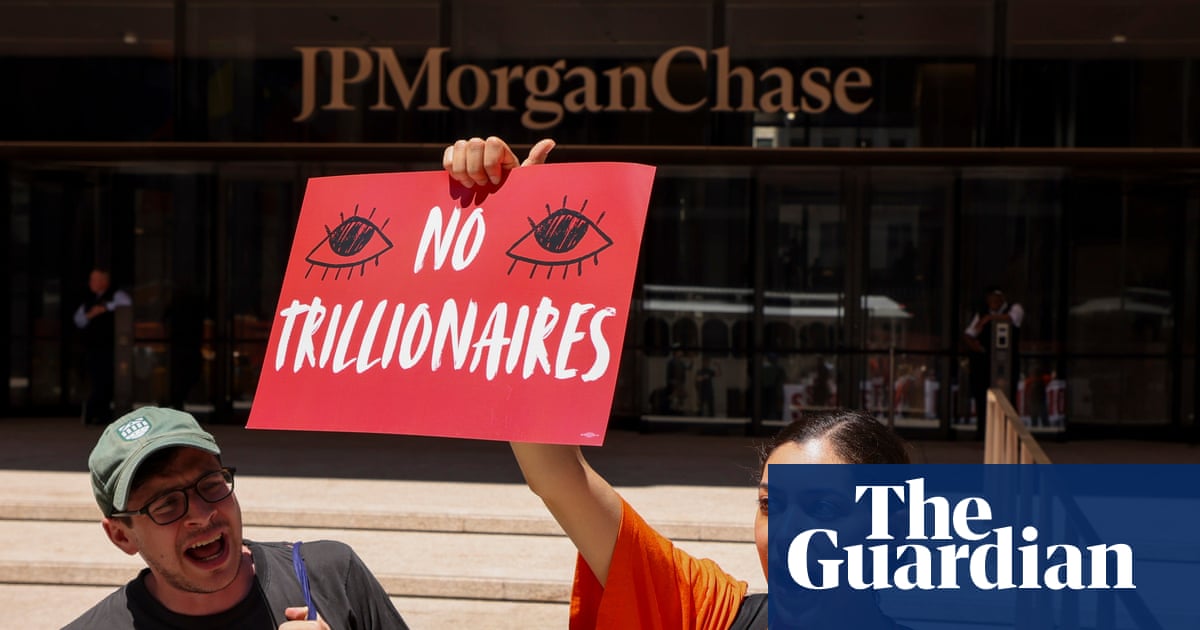
Despite past government initiatives to reduce income inequality, the US continues to see a widening gap between the rich and the poor. The article highlights how wealthy individuals, like Elon Musk, benefit from a system that allows them to minimize taxes on their vast fortunes, suggesting a trend towards plutocracy.
Imagine a pie that's supposed to be shared equally. In the US, the people who make the pie are getting bigger slices, while others get smaller ones. Even when the government tries to make it fairer, it's hard because the richest people have clever ways to keep most of the pie for themselves, like not paying taxes on their growing fortunes.
Analysis
A Fading Promise of Equality
The narrative of American exceptionalism often includes a notion of "happy mediocrity," a society where extreme wealth and poverty are less prevalent than in Europe. However, recent history, particularly the Obama administration's efforts to curb inequality, serves as a stark reminder of the challenges. While taxes and transfers did reduce the income share of the richest 1% and increase that of the poorest fifth by the end of 2016, these gains proved temporary. The subsequent Trump administration's Tax Cuts and Jobs Act of 2017 significantly reversed these trends, disproportionately benefiting high-income earners and exacerbating the wealth gap.
Systemic Disinterest in Redistribution
The article posits that the US's deep-seated inequality and its general disinterest in addressing it are not attributable to any single administration but are systemic issues. A core reason is the American public's aversion to taxation, particularly among the wealthy. Economists from UC Berkeley note that the wealthiest Americans pay a smaller share of their income in taxes than the average citizen, thanks to sophisticated tax avoidance strategies. This has meant that, for decades, taxes and transfers have had a limited impact on trimming the income share of the top 1%.
The Art of Minimizing Taxable Income
The concentration of wealth is further entrenched by how the ultra-rich manage their assets. Many billionaires, including figures like Steve Jobs, Mark Zuckerberg, and Larry Ellison, have historically taken minimal salaries, deriving their wealth from appreciating stock. By holding onto this stock and financing their lifestyles through loans collateralized by it, they defer capital gains taxes indefinitely. Unrealized capital gains constitute a significant portion of large estates and are often passed down tax-free to heirs, perpetuating a cycle of inherited wealth and solidifying the nation's slide towards plutocracy.
Key points
- US income inequality has been on a relentless rise, with government efforts to curb it proving largely ineffective over the long term.
- Wealthy individuals increasingly utilize strategies to minimize taxable income, such as leveraging stock for loans instead of selling, thus deferring capital gains taxes.
- The Tax Cuts and Jobs Act of 2017 significantly widened the income gap, benefiting high-income earners at the expense of lower-income households.
- A cultural aversion to taxation, particularly among the wealthy, is a significant barrier to effective wealth redistribution in the United States.
- The concentration of wealth in the hands of a few, passed down through generations, points towards a potential slide into a plutocratic system.
Despite the challenges, the temporary success of the Obama administration's policies in reducing inequality offers a glimmer of hope. It demonstrates that government intervention, through taxes and transfers, can indeed make a difference in redistributing wealth and improving the economic standing of lower-income households.
The article suggests a grim outlook, where the entrenched mechanisms for wealth accumulation and tax avoidance by the ultra-rich, coupled with a general political disinterest in redistribution, make a reversal of inequality trends highly unlikely, potentially leading to a permanent plutocracy.