Could the UK ever run out of water?
England and Wales are experiencing severe drought conditions, with July 2026 being the driest in nearly two centuries, raising concerns about the UK's future water supply.
Intelligence analysis by Gemini 2.5 Flash
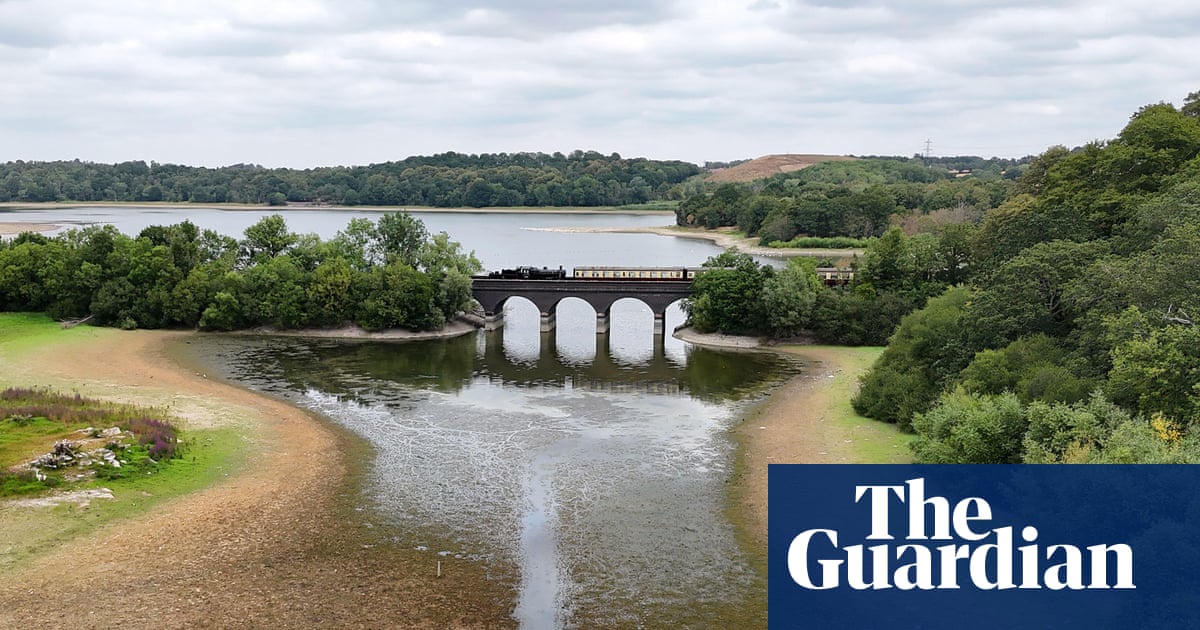
The UK, despite its rainy reputation, faces an "exceptionally serious" drought due to low rainfall, high temperatures, and increased demand. Experts warn of a significant water shortfall by 2055 without urgent action, exacerbated by leaky infrastructure and a lack of new water storage solutions.
Imagine your garden hose has a tiny leak, and you're also using more water to fill a paddling pool because it's super hot outside. That's a bit like what's happening in the UK with its water. It's not raining enough, people are using more water, and old pipes are leaking a lot. Experts worry that if we don't fix these problems, we might not have enough water for everyone in the future, which could make things tricky for farms and factories too.
Analysis
The UK's current water crisis, highlighted by the driest July in almost two centuries, underscores a critical challenge with profound economic and environmental implications. While the nation is known for its rainfall, climate change is driving hotter, drier summers, leading to a faster depletion of water resources than nature can replenish. This situation is not merely an environmental concern but a direct threat to various economic sectors and public services, demanding immediate and long-term strategic responses.
5bn litres
The Environment Agency projects that England's public water supply could face a daily shortfall of 5 billion litres by 2055 if urgent measures are not implemented. This staggering figure illustrates the scale of the impending crisis, driven by a combination of increasing population, new industrial demands from sectors like data centres and energy infrastructure, and the diminishing availability of water due to climate change. The unpredictability of rainfall patterns further complicates resource management, making it difficult to ensure consistent supply.
Addressing this shortfall will require substantial investment in water infrastructure, including leak reduction and the construction of new reservoirs. The economic cost of inaction could be immense, impacting agricultural output, energy production, and manufacturing processes that rely heavily on water. Furthermore, the need for drought permits, allowing water companies to extract more from sensitive ecosystems, highlights the environmental trade-offs and the potential for long-term ecological damage, which in turn can have economic repercussions through ecosystem services.
1992
The fact that the UK has not constructed a new reservoir since 1992 is a stark indicator of decades of underinvestment in water storage infrastructure. This lack of foresight has left the country vulnerable to prolonged periods of low rainfall, as existing storage capacities are insufficient to buffer against increasingly frequent and intense droughts. The National Farmers' Union's call for streamlined planning systems to facilitate on-farm water storage underscores the immediate need for practical solutions to support critical economic sectors.
Beyond storage, the issue of water wastage through leaky pipes is equally pressing. Greenpeace UK's research revealing that 2.87 billion litres of water are lost daily through leaks in England and Wales represents a significant portion of the total water pumped through the network. This inefficiency not only exacerbates scarcity but also represents a massive economic loss for water companies and a burden on consumers. Rectifying this requires substantial capital expenditure and a concerted effort from water utility providers, which will inevitably impact operational costs and potentially consumer prices.
139 litres
The average person in the UK uses approximately 139 litres of water per day, a figure that is higher than in some European countries like Germany (120 litres) but significantly lower than in the US (310 litres). While individual consumption is not the sole driver of the crisis, it contributes to overall demand and offers an avenue for mitigation. Promoting water-saving habits through smart metering, low-flow showerheads, and cistern displacement devices can collectively reduce demand, easing pressure on public supplies.
However, the article also points out that dietary choices, particularly a shift towards vegetarianism, could significantly reduce individual water footprints, highlighting the broader societal and lifestyle changes that may be necessary. The economic implications of such shifts could be far-reaching, affecting food production, retail, and consumer behaviour. Ultimately, a multi-faceted approach involving infrastructure investment, leak reduction, and demand management, alongside policy changes and public awareness campaigns, will be essential to secure the UK's water future and mitigate the economic risks associated with scarcity.
Key points
- England experienced its driest July in nearly two centuries in 2026, leading to official drought declarations across half of England and all of Wales.
- The UK has not built a new reservoir since 1992, contributing to insufficient water storage capacity.
- Water companies in England and Wales waste 2.87 billion litres daily through leaky pipes, accounting for a fifth of the network's pumped water.
- The Environment Agency estimates England's public water supply could face a 5 billion litres per day shortfall by 2055 without urgent action.
- Increased population, new industrial demands, and climate change effects are driving up water demand while reducing available supply.
With focused investment in new reservoirs and infrastructure to fix leaky pipes, coupled with public awareness campaigns promoting water conservation, the UK could significantly improve its water resilience. Streamlining planning for on-farm storage and adopting smart metering could further ensure sustainable water management for future generations.
Continued underinvestment in water infrastructure and a failure to address widespread leaks could lead to more frequent and severe water shortages, impacting agriculture, industry, and daily life. The escalating effects of climate change, combined with rising demand, risk a critical shortfall that could strain the economy and environment.