Rail passengers face second day of disruption across north-west England
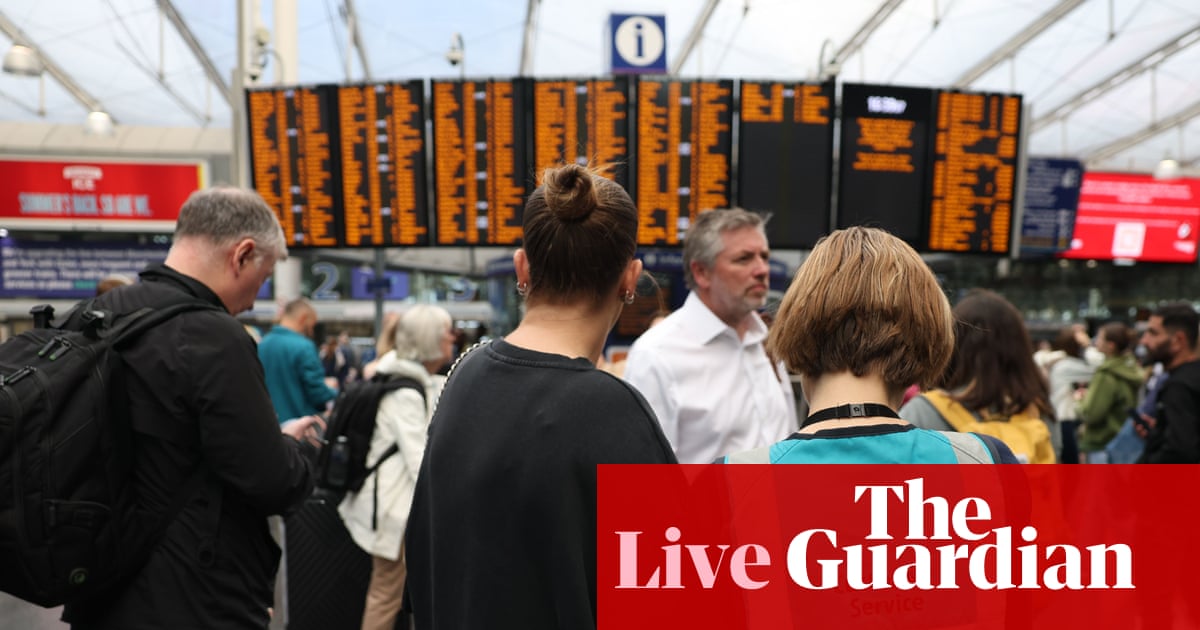
A power failure at a regional signalling centre caused a second day of widespread rail disruption across north-west England, affecting multiple train operators and leading to cancellations and delays.
Intelligence analysis by Gemini 2.5 Flash
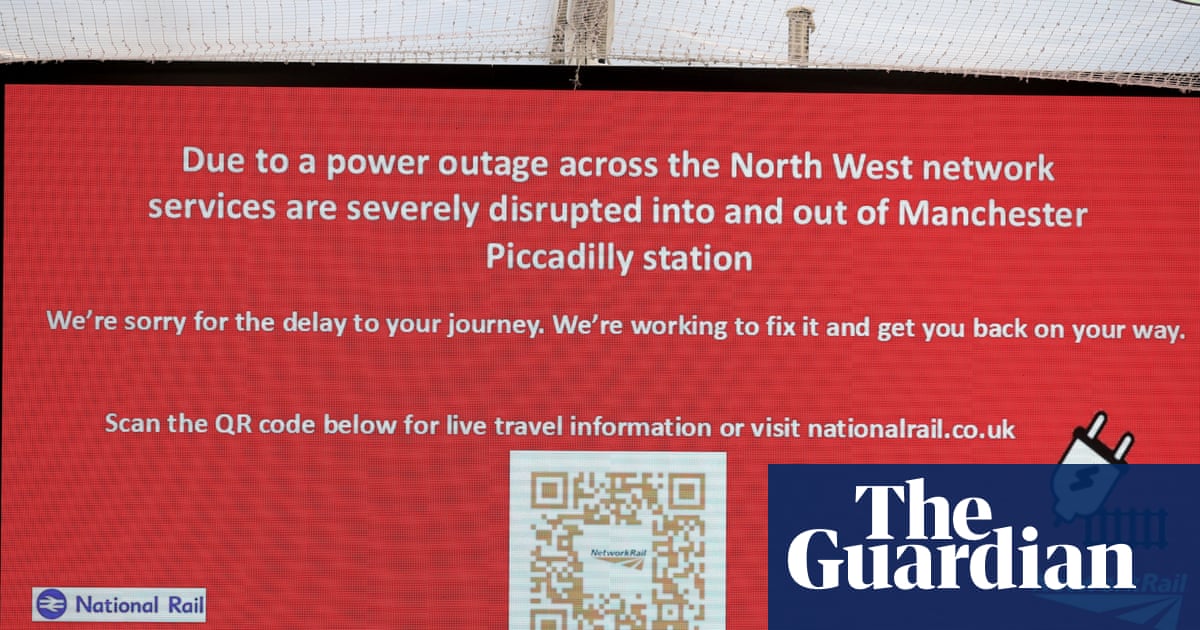
A critical power outage at a Manchester signalling centre on Thursday caused significant rail disruptions across north-west England, Greater Manchester, and the Midlands, continuing into Friday. Though engineers restored systems overnight, misplaced trains and crew led to ongoing delays and cancellations for thousands of passengers.
Imagine a giant traffic light system for trains stopped working because the power went out. Now, all the trains are stuck or in the wrong places, and the people who drive them are also not where they need to be. Even though the power is back on, it's taking a long time to get everything back in order, so many people can't get to where they need to go on time.
Analysis
Manchester Facility
The recent power failure at a critical signalling centre in Manchester underscores the vulnerability of modern infrastructure to single points of failure. This facility, one of 12 operating centres designed to eventually manage the entire British rail network, experienced an outage shortly before 2pm on Thursday. Its central role meant that the power loss immediately triggered widespread cancellations and delays across a significant portion of north-west England, Greater Manchester, and the Midlands.
The incident highlights the cascading effects that can arise from a localized technical issue within a highly interconnected system. The disruption impacted multiple major operators, including Avanti West Coast, East Midlands Railway, Northern, TransPennine Express, and Transport for Wales, demonstrating the broad reach of the Manchester centre's control. The initial failure not only halted trains but also led to a critical misplacement of rolling stock and crew, complicating recovery efforts for the subsequent day.
Chris Wright
Network Rail's north-west route director, Chris Wright, acknowledged the significant inconvenience caused to passengers and expressed gratitude for their patience. He confirmed that engineers worked diligently through the night to restore the signalling systems, a crucial step in mitigating the prolonged impact of the outage. Wright's statement indicated that while most services were running by Friday morning, some disruption was still anticipated.
The focus of Network Rail's efforts was on recovering the railway and collaborating closely with train operators to normalize services as swiftly as possible. This involved not only fixing the technical fault but also addressing the logistical challenge of repositioning trains and crews. Passengers were advised to continue checking for updates, reflecting the ongoing, albeit diminishing, nature of the disruption.
Andy Bowes-Roden
Andy Bowes-Roden, deputy editor at Modern Railways magazine, provided an expert perspective on the expected duration and implications of the disruption. He predicted "quite a lot of disruption" for Friday morning, gradually easing throughout the day, with a full return to normal service not expected until Saturday morning. This timeline suggests that the ripple effects of the power failure extend beyond the immediate fix.
Bowes-Roden also touched upon the financial and passenger protection aspects, noting that rail passengers are "lucky" to have protections and that railways are "obliged to get us where they promise to get us." This implies that a substantial number of refunds would be processed, adding a financial burden to the operational costs incurred by the affected rail companies. The incident serves as a reminder of the economic consequences of infrastructure failures, impacting both service providers and the travelling public.
Key points
- A power failure at a Manchester signalling centre caused widespread rail disruption across north-west England.
- The disruption affected five major rail companies, including Avanti West Coast and Northern, for a second day.
- Services were cancelled or delayed, with issues expected to continue until midday Friday due to misplaced trains and crew.
- Engineers worked overnight to restore signalling systems, but logistical challenges remained.
- Passengers were advised to check before travelling and anticipate ongoing cancellations or revised journeys.
While immediate disruption is significant, the swift overnight work by Network Rail engineers to restore signalling systems suggests a robust response mechanism. This rapid recovery effort indicates that the long-term impact on regional transport and economy could be mitigated, with services expected to normalize relatively quickly.
The incident highlights the fragility of critical infrastructure, as a single power failure at a key signalling centre can paralyze a vast rail network for days. Such prolonged disruptions can erode public trust in rail services, deter future travel, and incur substantial economic costs through lost productivity and compensation claims.