CUHK earmarks Pak Shek Kok site for new medical building and 10th college
The Chinese University of Hong Kong (CUHK) plans to build a new medical facility and its 10th college in Pak Shek Kok to enhance research and provide more accommodation.
Intelligence analysis by Gemini 2.5 Flash
CUHK is expanding its presence in Hong Kong's technology hub, Pak Shek Kok, with a new medical building and a tenth constituent college. This strategic move aims to boost the university's research capabilities and address the challenge of high housing costs for scientific talent, aligning with government plans for improved transport connectivity in the area.
Imagine a big school called CUHK wants to build more classrooms and a special doctor's building in a new area, like adding more rooms to a clubhouse. They're doing this so more smart people can do cool science, especially because it's super expensive to live in Hong Kong. They also hope to build more places for students and teachers to live, making it easier for everyone to join their science club.
Analysis
Strategic Expansion in Hong Kong's Tech Hub
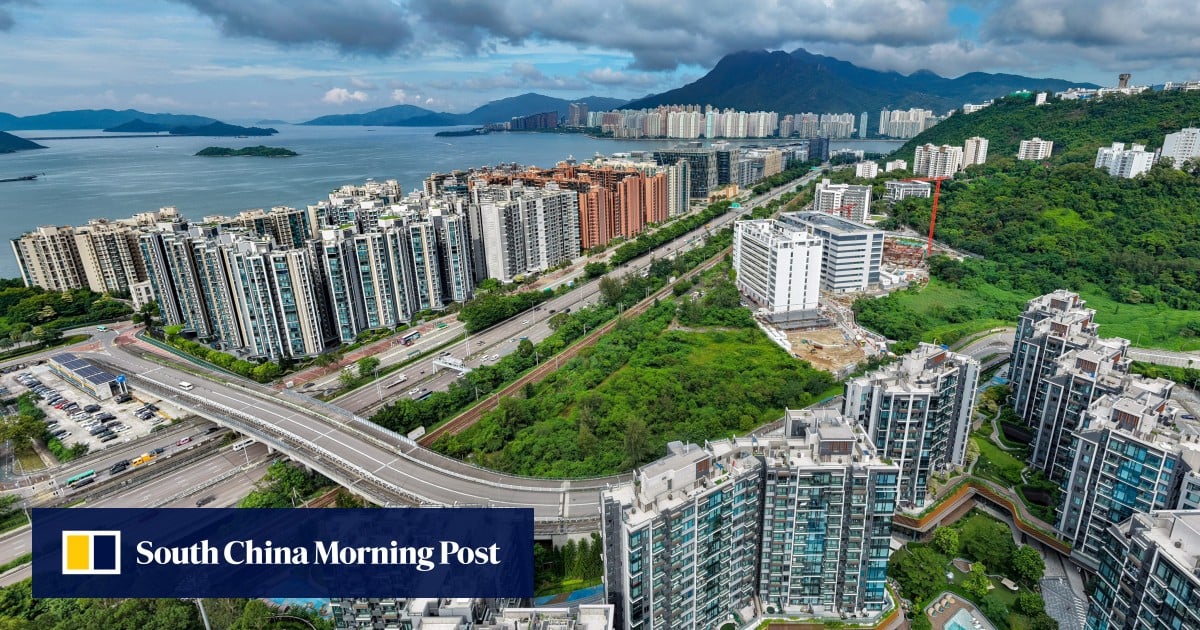
The Chinese University of Hong Kong (CUHK) is embarking on a significant expansion project in Pak Shek Kok, a burgeoning technology hub in Hong Kong. The university plans to construct a new medical building and its tenth constituent college on a site referred to as Area 39, strategically located near the future Pak Shek Kok MTR station. This move is designed to provide ample room for expansion, bolstering CUHK's research capabilities and aligning with broader government initiatives to enhance transport connectivity to the nearby Hong Kong Science and Technology Park.
The decision to expand in Pak Shek Kok reflects a forward-looking approach to integrate academic and research excellence with the city's technological development. The new MTR station, anticipated to open by 2033 or earlier, will significantly improve accessibility to the area, making it more attractive for students, faculty, and researchers. This infrastructure development is key to realizing the full potential of the university's investment in this strategic location.
Addressing the Challenge of High Housing Costs
CUHK President Dennis Lo Yuk-ming highlighted a critical impediment to Hong Kong's scientific research sector: high housing costs. He explicitly stated that this remains a key weakness for the city's ability to attract and retain top scientific talent. The university's expansion plans directly address this challenge by incorporating provisions for more hostel facilities and talent accommodation in the future.
By offering dedicated housing solutions, CUHK aims to mitigate the financial burden on researchers and students, making Hong Kong a more viable and attractive destination for academic and scientific pursuits. This proactive measure is essential for fostering a vibrant research environment and ensuring that the city can compete globally for intellectual capital, which is vital for its long-term innovation and economic growth.
Implications for Hong Kong's Talent Landscape
The expansion of CUHK's facilities in Pak Shek Kok carries significant implications for Hong Kong's talent landscape. By increasing its capacity for medical research and academic programs through a new college, the university is poised to educate and train a larger pool of skilled professionals. This influx of talent, coupled with improved accommodation options, could help stem the outflow of bright minds and attract international scholars.
Furthermore, the strategic location within a technology hub fosters greater collaboration between academia and industry, potentially leading to more innovative breakthroughs and commercial applications. This synergy is crucial for Hong Kong to solidify its position as a leading research and innovation center in Asia, contributing to the broader economic development of the Greater Bay Area and enhancing the city's overall competitiveness.
Key points
- CUHK plans to construct a new medical building and its 10th constituent college in Pak Shek Kok.
- The expansion aims to boost the university's research capabilities and provide more hostel and talent accommodation.
- The site is strategically located near the future Pak Shek Kok MTR station, expected to open by 2033 or earlier.
- CUHK President Dennis Lo highlighted high housing costs as a key weakness for Hong Kong's scientific research sector.
The expansion could significantly boost CUHK's research capacity and attract top talent by providing new facilities and addressing housing concerns, thereby strengthening Hong Kong's position as a regional innovation and education hub, especially with improved transport links.
Despite new accommodation, persistently high housing costs in Hong Kong might continue to deter some talent, and the long timeline for the new MTR station (expected by 2033) could delay the full benefits and integration of the expanded campus.