Perhaps, PS6 is the last generation of game consoles…
The gaming industry is at a crossroads as Sony, Microsoft, and Nintendo adapt their console strategies to changing player habits and rising hardware costs, potentially signaling the end of traditional dedicated gaming machines.
Intelligence analysis by Gemini 2.5 Flash
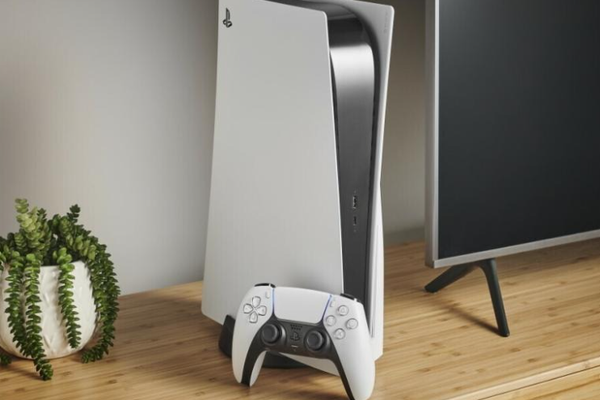
Console manufacturers are moving away from the traditional living room-bound hardware model, exploring hybrid devices, deeper ecosystem integrations, and digital-only game distribution, as they grapple with increasing production costs and intense competition from mobile and PC gaming.
Imagine your favorite toy, a game console, is getting a big makeover because kids are playing games everywhere now, not just in the living room. Companies like Sony and Microsoft are trying to make new consoles that can be played on the go or even on your computer, while Nintendo wants to convince everyone to get their new Switch. It's all happening because the parts for these machines are getting super expensive, and there are so many other ways to play games now, like on phones, that the old way of just having one big box might not last much longer.
Analysis
The Evolving Console Landscape
Sony and Microsoft are both rethinking the traditional console model, driven by shifting player habits and technological advancements. Sony's rumored PlayStation 6 strategy involves a dual approach: a powerful home console for high-fidelity experiences and a dedicated handheld device, codenamed Project Canis. Unlike its predecessor, PS Portal, Project Canis is envisioned as a truly independent handheld capable of running games locally, aiming to provide a complete PlayStation ecosystem experience outside the living room. This move is complemented by a shift to digital-only game releases, consolidating the game library under a single account across both devices, albeit raising concerns about game ownership.
Microsoft, meanwhile, is integrating its Xbox ecosystem more deeply into Windows. Its next-generation console, Project Helix, is expected to run on a customized AMD SoC with Windows as its underlying system, allowing it to play both Xbox console and PC games while maintaining backward compatibility. This strategy aims to make Xbox accessible across various devices, from dedicated consoles to third-party handhelds and standard Windows PCs, effectively turning "where there's Windows, there's Xbox" into a reality. However, rising hardware costs, particularly for memory and storage, are putting pressure on Microsoft's traditional console subsidy model, potentially leading to a more expensive "living room gaming PC."
Nintendo's Upgrade Challenge
Nintendo faces a unique challenge with the Switch 2: convincing over 155 million original Switch owners to upgrade. The company's strategy focuses on seamless migration, offering backward compatibility for both physical and digital games, account and save data transfers, and continued support for existing accessories. The primary drivers for upgrading are expected to be paid upgrade packages for older games, free performance patches, and, most importantly, exclusive new titles designed specifically for the Switch 2.
Nintendo is also navigating the physical-digital divide with a "Game-Key Card" solution. While physical game cards still hold significant market share for Nintendo, these new "key cards" require an internet download for the full game, with the card acting as a persistent key. This approach attempts to balance retail channels and consumer habits like borrowing and reselling with the benefits of digital distribution, though it has been met with some user confusion. The company's plan to introduce OLED and Lite versions later in the product cycle suggests a phased approach to hardware sales, aiming to sustain interest and provide reasons for incremental upgrades.
The End of an Era?
The article posits a provocative question: could the PS6 and Project Helix represent the "last generation" of dedicated game consoles? The traditional business model, where hardware is sold at or below cost and profits are recouped through game sales and subscriptions, is under severe strain. The explosion of the AI industry has driven up memory and storage costs, making hardware subsidies increasingly difficult. Concurrently, player habits have diversified, with mobile phones and PC gaming capturing significant portions of gaming time, reducing the necessity for a dedicated living room console.
This confluence of factors creates a challenging cycle for console manufacturers. They need more exclusive AAA games to attract players, but the overall gaming industry faces budget constraints, making it harder to fund these titles. If hardware becomes too expensive to subsidize and games struggle to justify a single-platform purchase, players may opt for more versatile and cost-effective alternatives like PCs or mobile devices. The article suggests that if consoles fail to offer unique entertainment value that justifies their cost and dedicated hardware, they risk becoming obsolete, marking a significant shift in the gaming landscape.
Key points
- Sony's PS6 strategy may involve a dual approach: a traditional console and an independent handheld (Project Canis) for gaming beyond the living room.
- Microsoft's next-gen Xbox (Project Helix) aims for deep integration with Windows, allowing it to play both console and PC games across various devices.
- Nintendo's Switch 2 faces the challenge of migrating over 155 million original Switch users, relying on backward compatibility and exclusive titles.
- The traditional 'software subsidizes hardware' console business model is under pressure due to rising component costs and changing player habits.
- The article suggests that PS6 and Project Helix could be the 'last generation' of dedicated game consoles if they fail to offer unique value.
- The shift to digital-only games, while convenient for cross-device play, raises concerns about game ownership and resale rights.
The shift towards hybrid and integrated gaming ecosystems could offer players unprecedented flexibility, allowing them to access their favorite games across multiple devices and locations, potentially expanding the reach and convenience of gaming.
Rising hardware costs and the move to digital-only game ownership could lead to more expensive consoles and a loss of player control over their game libraries, potentially alienating core gamers and making dedicated consoles less accessible.