Cyclospora: iceberg lettuce recalled in 27 states and more products may follow
Taylor Farms recalled shredded iceberg lettuce in 27 states as cyclosporiasis cases keep rising, and the FDA says more products may be identified.
Intelligence analysis by GPT-5.4 Mini
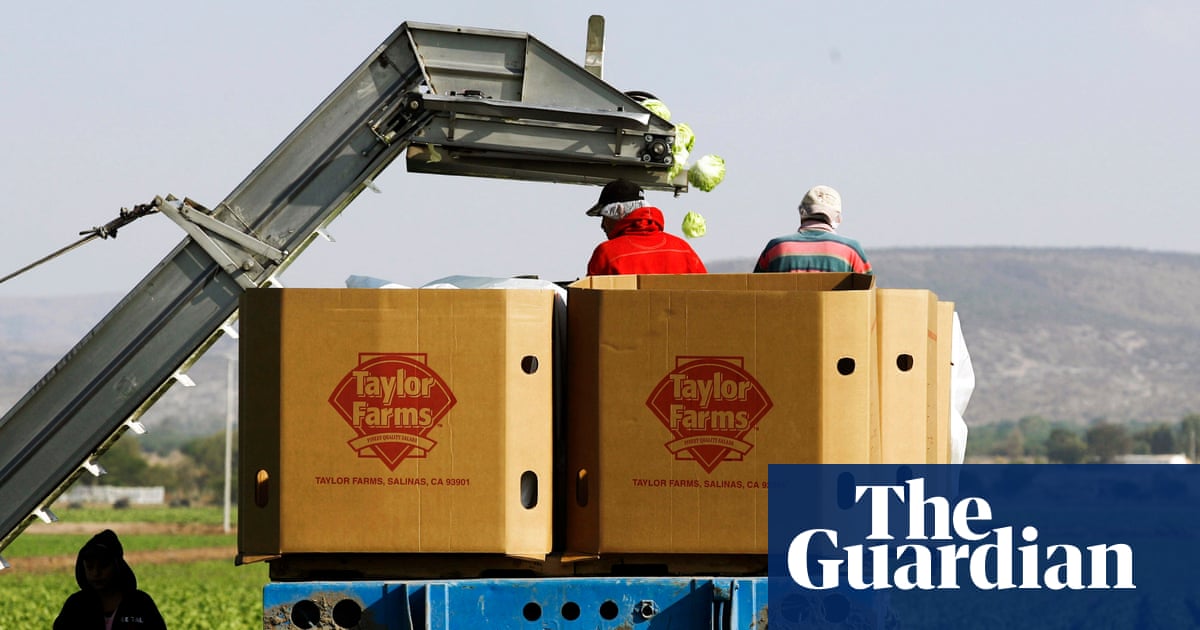
A food-safety probe has turned into a broader supply-chain problem. Taylor Farms pulled shredded iceberg lettuce from multiple states, but the recall is vague enough that stores, restaurants, and consumers may not yet know all affected products.
A lettuce maker found out some bags might have tiny germs, so it pulled them back like taking a bad apple out of a lunchbox pile. The hard part is that the company did not say exactly which bags everywhere, so workers have to search carefully.
Analysis
A Recall With Blurred Boundaries
The central problem in this story is not only contamination risk, but uncertainty. Taylor Farms recalled shredded iceberg lettuce in 27 states, yet the company did not identify the brand names of all affected products or where they were sold and served. That makes the recall harder to execute and pushes responsibility onto retailers and restaurants to interpret incomplete information.
That kind of ambiguity matters because food distribution is built on speed and scale. When a recall notice leaves gaps, the cost shifts downstream to stores, food-service chains, and consumers who may not know whether what they have is safe. The article suggests the problem may not stop with one product line, which raises the stakes for anyone managing inventory or public trust.
The Cost of Traceability Gaps
The FDA says its investigation is ongoing and could identify additional brands, restaurants, retailers, or distribution channels. That is a reminder that a recall is often a moving target, especially when the contamination source is tied to a processing facility rather than a single finished product. The article also notes the possibility that other produce from the same facility, or even nearby producers sharing water, could be affected.
For the food industry, that uncertainty is expensive. Each new implicated product means more pulling, more waste, and more confusion at the point of sale, especially when the product is a staple ingredient rather than a branded consumer item. The report shows how one contamination event can force a much wider operational response than the initial recall headline suggests.
Why This Outbreak Carries Wider Weight
This is also a story about trust in large-scale food systems. Taylor Farms is a major supplier, and the article notes that retailers such as Costco, Target, and Walmart carry its products, while Taco Bell has already stopped serving produce in several states tied to the outbreak. Once a supplier is linked to an outbreak, every customer in its network has to think about reputation as well as compliance.
The article also places the episode in a pattern, citing previous outbreaks tied to the same company. That history does not prove the current event is broader, but it does show why repeated recalls can become a business issue as much as a public-health issue. If regulators keep uncovering new links, the economic damage will likely come from repeated disruption rather than from one clean, isolated recall.
Key points
- Taylor Farms recalled shredded iceberg lettuce in 27 states as cyclosporiasis cases continued rising.
- The company did not identify all brands or sales locations, which makes the recall harder to carry out.
- The FDA said its investigation is ongoing and may identify more implicated products or distribution channels.
- Officials warned that other products from the same facility, or from nearby producers using shared water, could also be at risk.
- The article notes previous outbreaks linked to Taylor Farms, adding pressure on the company and its customers.
If investigators pin down the source quickly, stores and restaurants can remove only the right products instead of pulling too much from shelves. Clearer traceback could also help the industry fix the weak spot faster and rebuild confidence sooner.
If more brands or distribution channels are identified, the recall could keep growing and become costlier for retailers and food-service chains. The outbreak could also widen if other produce from the same facility or nearby shared water sources are found to be risky.