Death toll in Thailand school shooting rises to at least 8 after girl dies from injuries
A 14-year-old boy opened fire at a school in Thailand, killing at least 8 people, including 5 school staff members and his grandparents. A 12-year-old girl who was injured in the attack has died.
Intelligence analysis by Llama
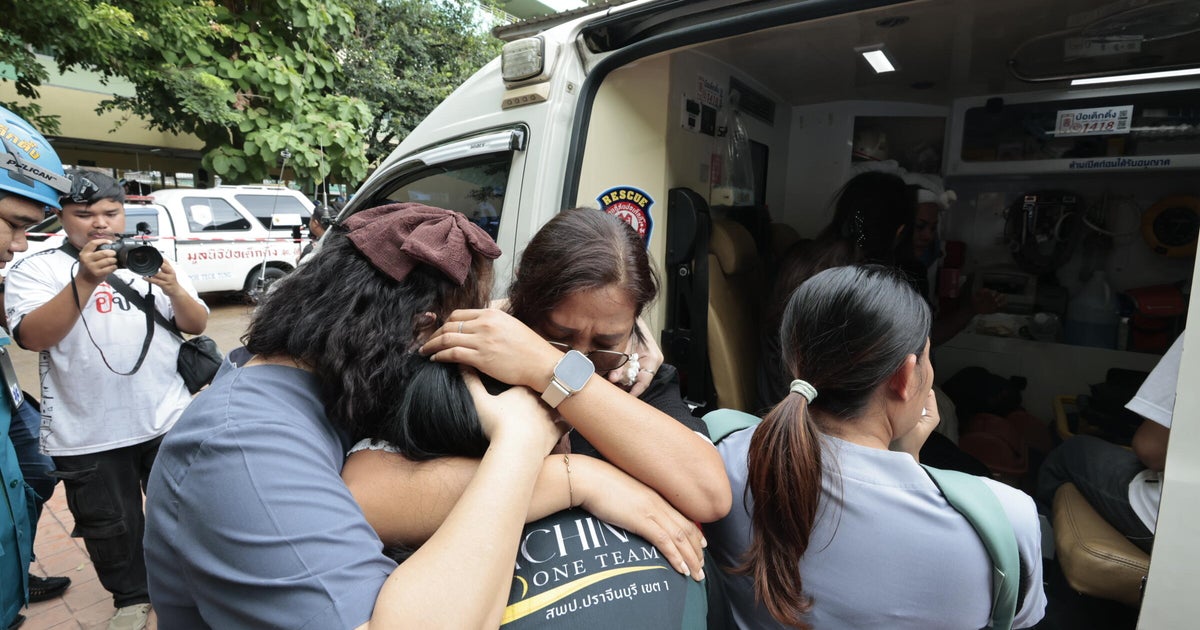
A 14-year-old boy opened fire at a school in Thailand, killing at least 8 people, including 5 school staff members and his grandparents. The attack has left the community in shock and raised concerns about gun ownership in Thailand.
A 14-year-old boy opened fire at a school in Thailand, killing at least 8 people, including 5 school staff members and his grandparents. The boy then took his own life. The incident has raised concerns about school safety and the need for stricter gun control laws in Thailand.
Analysis
Death Toll Rises to 8 After Girl Dies from Injuries
The death toll in the Thailand school shooting has risen to at least 8 people after a 12-year-old girl who was injured in the attack died. The girl, who was in seventh grade, was one of the 23 people who were wounded in the shooting. The Health Ministry said that 14 people remain hospitalized, with 7 in critical condition.
The shooting occurred at Debsirin Nonthaburi School in Nonthaburi province northwest of the Thai capital. A 14-year-old boy opened fire at the school before taking his own life. He also appeared to have killed his two grandparents at his family home earlier in the morning. The school had posted a message on Facebook seeking blood donations for two students, including the girl who died.
The gun used in the shooting was legally registered to the boy's grandfather. Officials said that the boy had shown signs of school-related stress, although some of his relatives told Thai media they were unaware of any troubles he might have been facing.
The incident has raised concerns about school safety and the need for stricter gun control laws in Thailand. The country has one of the highest rates of gun ownership in Asia, with civilian gun ownership estimated to be around 15.1 guns per 100 people. The incident has also highlighted the need for mental health support for students and staff at schools in Thailand.
Gun Ownership in Thailand
Thailand has one of the highest rates of gun ownership in Asia, second only to Pakistan. The country's gun ownership rate is estimated to be around 15.1 guns per 100 people, compared to less than one per 100 in neighboring Malaysia. The high rate of gun ownership in Thailand has raised concerns about the need for stricter gun control laws.
School Safety
The incident has raised concerns about school safety in Thailand. The school had posted a message on Facebook seeking blood donations for two students, including the girl who died. The school also suspended classes between August 10-14 and instructed staff to work from home during that time.
Mental Health Support
The incident has highlighted the need for mental health support for students and staff at schools in Thailand. The country has a high rate of gun ownership, and the incident has raised concerns about the need for mental health support to prevent similar incidents in the future.
Key points
- A 14-year-old boy opened fire at a school in Thailand, killing at least 8 people, including 5 school staff members and his grandparents.
- The boy then took his own life.
- The incident has raised concerns about school safety and the need for stricter gun control laws in Thailand.
- The country has one of the highest rates of gun ownership in Asia, with civilian gun ownership estimated to be around 15.1 guns per 100 people.
- The incident has highlighted the need for mental health support for students and staff at schools in Thailand.
The incident has raised awareness about the need for stricter gun control laws in Thailand, which may lead to changes in the country's gun ownership laws. Additionally, the incident has highlighted the need for mental health support for students and staff at schools in Thailand, which may lead to improved school safety and reduced risk of similar incidents in the future.
The high rate of gun ownership in Thailand may lead to more incidents like this in the future, and the lack of stricter gun control laws may make it difficult to prevent such incidents. Additionally, the incident has highlighted the need for mental health support for students and staff at schools in Thailand, but the lack of resources and support may make it difficult to implement effective mental health programs.