Deceitful firms mostly to blame for deadly Tai Po blaze, government counsel says
Hong Kong's government counsel attributes the deadly Tai Po blaze to deceitful firms. The counsel argues that contractors exploited regulatory regimes, leading to the tragedy.
Intelligence analysis by Llama 3.3 70B
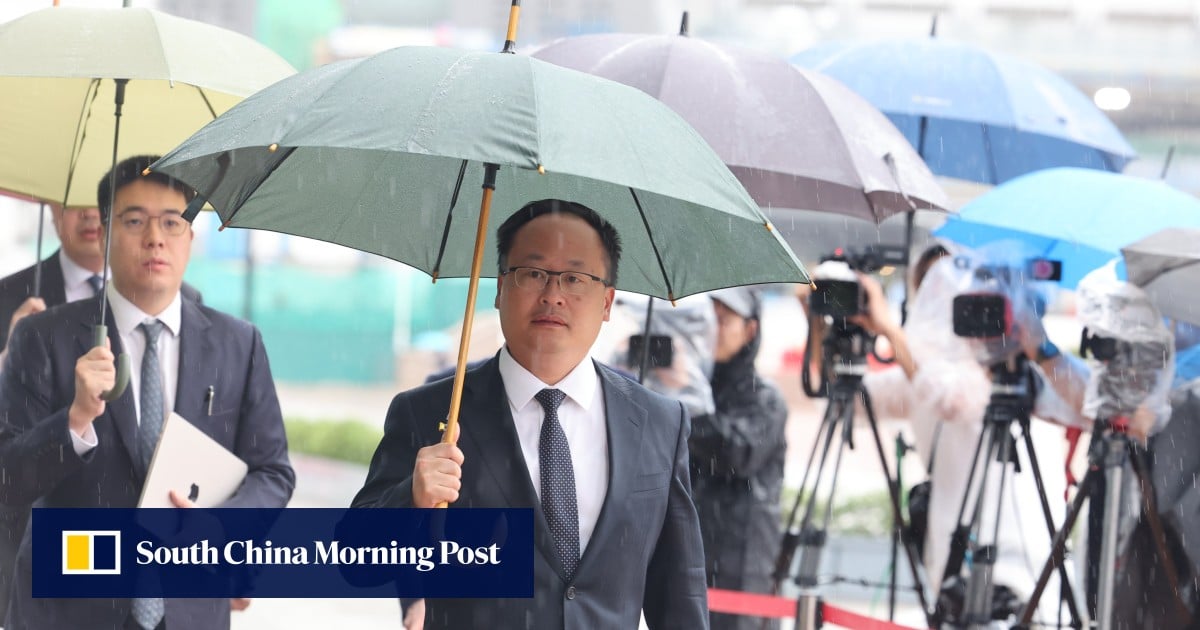
The government counsel's argument focuses on the role of deceitful firms in the Tai Po blaze, rather than solely on the government's actions.
A big fire happened in Hong Kong because some companies didn't follow the rules. They lied and didn't do their jobs properly, which caused the fire. The government is saying that these companies are mostly to blame, not just the government.
Analysis
Regulatory Failures
The government counsel's argument highlights the significance of regulatory failures in the Tai Po blaze. The counsel notes that the disaster was caused by the 'deceit, inaction and deliberate omission' of contractors who exploited regulatory regimes. This exploitation was possible due to the government's overreliance on professional self-regulation and insufficient oversight.
The legislative framework in Hong Kong was developed to streamline regulatory procedures and reduce compliance costs. However, this framework has been criticized for being too lenient, allowing contractors to circumvent supervision and neglect their statutory duties. The government counsel warns against characterizing the weaknesses in the system as the primary cause of the fire, instead emphasizing the role of deceitful firms.
Systemic Vulnerabilities
The Tai Po blaze has exposed systemic vulnerabilities in Hong Kong's regulatory framework. The government counsel acknowledges that the disaster has revealed gaps in guidelines, interdepartmental miscommunication, and an inability to apply technology to detect malpractice. These vulnerabilities have been attributed to the government's overreliance on professional self-regulation and insufficient oversight.
The government counsel notes that the legislative framework was developed in response to sustained calls in society to reduce regulatory burdens. However, this framework has been criticized for being too lenient, allowing contractors to exploit regulatory regimes. The counsel argues that the government's role in the disaster was secondary to that of construction and fire service firms, which either conspired to circumvent supervision or neglected their statutory duties.
Accountability and Reform
The government counsel's argument highlights the need for accountability and reform in Hong Kong's regulatory framework. The counsel emphasizes the importance of acknowledging the role of deceitful firms in the Tai Po blaze, rather than solely focusing on the government's actions. This acknowledgment is crucial for developing effective solutions to prevent similar disasters in the future.
The government counsel's argument also highlights the need for improved oversight and accountability in the construction and fire service industries. The counsel notes that the government's overreliance on professional self-regulation has created an environment in which contractors can exploit regulatory regimes. To prevent similar disasters, the government must develop more effective mechanisms for oversight and accountability, including the use of technology to detect malpractice.
Key points
- The government counsel attributes the Tai Po blaze to deceitful firms
- The legislative framework in Hong Kong has been criticized for being too lenient
- The government's overreliance on professional self-regulation has created an environment in which contractors can exploit regulatory regimes
The government's acknowledgment of the role of deceitful firms in the Tai Po blaze could lead to significant reforms in Hong Kong's regulatory framework. This could result in improved oversight and accountability, preventing similar disasters in the future.
The government's emphasis on the role of deceitful firms may distract from the need for systemic reforms in Hong Kong's regulatory framework. If the government fails to address the underlying vulnerabilities, similar disasters could occur in the future.