Anthropic, China and why Pax Silica architect thinks the US can keep the AI lead
US undersecretary of state for economic affairs Jacob Helberg defends Washington's restrictions on foreign access to Anthropic's cutting-edge AI models, citing national security concerns.
Intelligence analysis by Llama
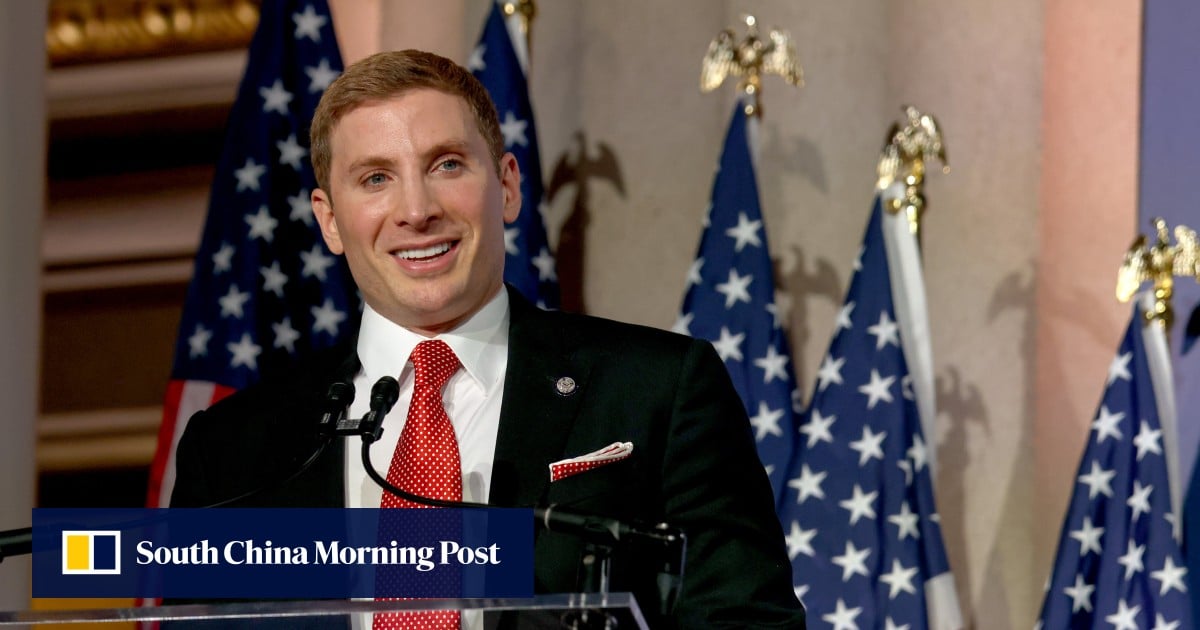
The US has imposed restrictions on foreign access to Anthropic's AI models, citing national security concerns. The move is part of Washington's efforts to maintain its edge in the AI competition with China.
The US is trying to keep its lead in artificial intelligence by restricting access to some AI models. This is because the US is worried about the potential risks of AI, especially in terms of national security. China is also investing heavily in AI, and the US wants to stay ahead.
Analysis
A $60B Vote of Confidence
The US's decision to restrict foreign access to Anthropic's AI models is a significant development in the ongoing competition between the US and China in the field of artificial intelligence. The move is part of Washington's efforts to maintain its edge in AI, and it has significant implications for global trade, security, and economic development. The US's decision to restrict foreign access to Anthropic's AI models is a clear indication of its commitment to maintaining its lead in AI. The US has invested heavily in AI research and development, and it has established a robust ecosystem of AI startups and research institutions. The US's decision to restrict foreign access to Anthropic's AI models is a key part of its strategy to maintain its edge in AI. The move is also a reflection of the growing concern in the US about the potential risks of AI, particularly in the context of national security. The US has been working to develop a comprehensive AI strategy that addresses these risks, and the decision to restrict foreign access to Anthropic's AI models is a key part of this effort. The US's decision to restrict foreign access to Anthropic's AI models is also significant because it highlights the growing competition between the US and China in the field of AI. China has been investing heavily in AI research and development, and it has established a robust ecosystem of AI startups and research institutions. The US's decision to restrict foreign access to Anthropic's AI models is a clear indication of its commitment to maintaining its lead in AI, and it has significant implications for global trade, security, and economic development.
Why Cursor?
The US's decision to restrict foreign access to Anthropic's AI models is a key part of its strategy to maintain its edge in AI. The move is also a reflection of the growing concern in the US about the potential risks of AI, particularly in the context of national security. The US has been working to develop a comprehensive AI strategy that addresses these risks, and the decision to restrict foreign access to Anthropic's AI models is a key part of this effort. The US's decision to restrict foreign access to Anthropic's AI models is also significant because it highlights the growing competition between the US and China in the field of AI. China has been investing heavily in AI research and development, and it has established a robust ecosystem of AI startups and research institutions. The US's decision to restrict foreign access to Anthropic's AI models is a clear indication of its commitment to maintaining its lead in AI, and it has significant implications for global trade, security, and economic development.
The Road Ahead
The US's decision to restrict foreign access to Anthropic's AI models is a significant development in the ongoing competition between the US and China in the field of artificial intelligence. The move is part of Washington's efforts to maintain its edge in AI, and it has significant implications for global trade, security, and economic development. The US's decision to restrict foreign access to Anthropic's AI models is a clear indication of its commitment to maintaining its lead in AI. The US has invested heavily in AI research and development, and it has established a robust ecosystem of AI startups and research institutions. The US's decision to restrict foreign access to Anthropic's AI models is a key part of its strategy to maintain its edge in AI. The move is also a reflection of the growing concern in the US about the potential risks of AI, particularly in the context of national security. The US has been working to develop a comprehensive AI strategy that addresses these risks, and the decision to restrict foreign access to Anthropic's AI models is a key part of this effort.
Key points
- The US has restricted foreign access to Anthropic's AI models on national security grounds.
- The move is part of Washington's efforts to maintain its edge in AI.
- The US is worried about the potential risks of AI, especially in terms of national security.
- China is also investing heavily in AI, and the US wants to stay ahead.
- The US's decision to restrict foreign access to Anthropic's AI models is a key part of its strategy to achieve this goal.
If the US can successfully maintain its edge in AI, it could lead to significant economic and security benefits for the country and its allies. The US's decision to restrict foreign access to Anthropic's AI models is a key part of its strategy to achieve this goal.
If the US fails to maintain its edge in AI, it could lead to significant economic and security risks for the country and its allies. The growing competition between the US and China in the field of AI could have far-reaching consequences for global trade, security, and economic development.