Driver claims India’s eco-friendly fuel damaged his car. Court agrees
An Indian consumer court has ordered Maruti Suzuki to provide a new car to a customer who alleged mandatory E20 fuel damaged his car. The ruling could embolden others who believe the ethanol-blended fuel has caused problems with their cars to seek redress.
Intelligence analysis by Llama
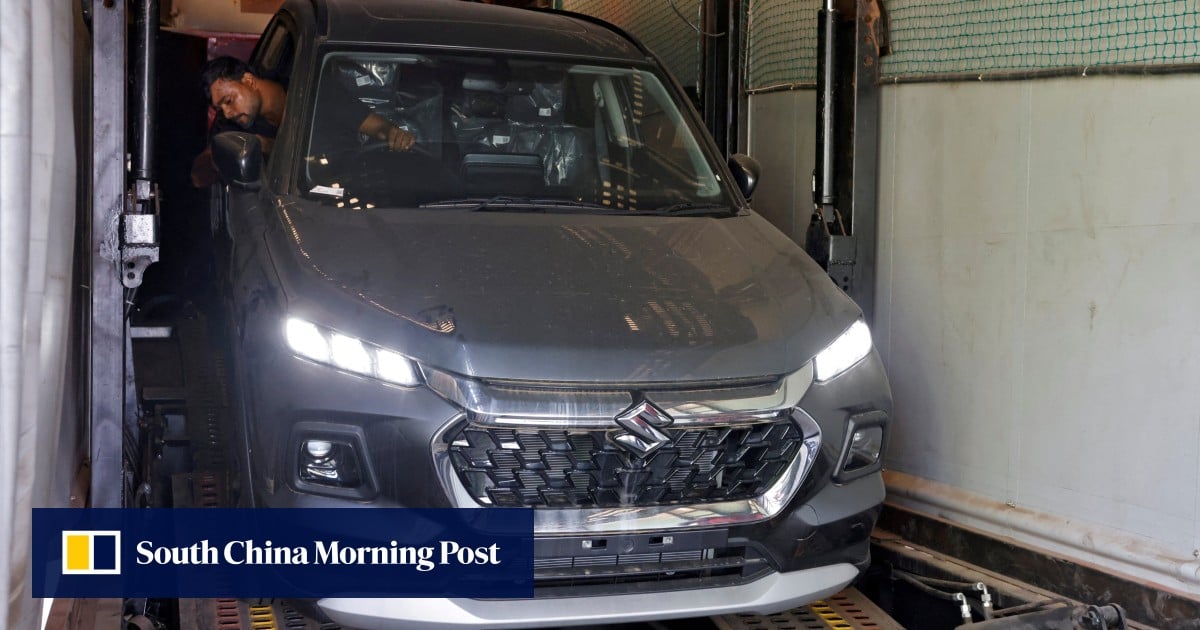
In a first-of-its-kind ruling, an Indian consumer court has ordered Maruti Suzuki to provide a new car to a customer who alleged mandatory E20 fuel damaged his car. The ruling could expose carmakers to greater liability over India's ethanol-blended fuel policy.
A court in India ruled that a car company must give a new car to a customer whose car was damaged by special fuel. This could make car companies more responsible for the fuel they sell.
Analysis
A $60B Vote of Confidence
The Indian government's ethanol-blended fuel policy has been a contentious issue, with critics alleging that it was rolled out too quickly and without offering motorists alternative fuel choices. The policy, which aims to reduce crude oil imports and cut emissions, has become one of the administration's biggest political challenges. The recent ruling by an Indian consumer court, which ordered Maruti Suzuki to provide a new car to a customer who alleged mandatory E20 fuel damaged his car, is likely to be closely watched. The ruling could expose carmakers to greater liability over India's ethanol-blended fuel policy, potentially challenging the government's decision to implement the policy.
Why Cursor?
The Indian government's decision to implement the ethanol-blended fuel policy was based on the assumption that it would reduce crude oil imports and cut emissions. However, the policy has been met with resistance from carmakers, who argue that the fuel is not safe for all vehicles. The recent ruling by the consumer court has raised questions about the safety of the fuel and the liability of carmakers. The ruling could have significant implications for the Indian automotive industry, potentially leading to changes in the way carmakers design and manufacture vehicles.
The Road Ahead
The recent ruling by the consumer court is likely to be closely watched by carmakers and the Indian government. The ruling could have significant implications for the Indian automotive industry, potentially leading to changes in the way carmakers design and manufacture vehicles. The Indian government may need to re-evaluate its ethanol-blended fuel policy in light of the ruling, potentially leading to changes in the way the policy is implemented.
Key points
- An Indian consumer court has ordered Maruti Suzuki to provide a new car to a customer who alleged mandatory E20 fuel damaged his car.
- The ruling could expose carmakers to greater liability over India's ethanol-blended fuel policy.
- The ruling could have significant implications for the Indian automotive industry, potentially leading to changes in the way carmakers design and manufacture vehicles.
The ruling could lead to changes in the way carmakers design and manufacture vehicles, potentially making them safer and more environmentally friendly. It could also lead to the Indian government re-evaluating its ethanol-blended fuel policy, potentially leading to changes in the way the policy is implemented.
The ruling could lead to increased liability for carmakers, potentially making it more difficult for them to operate in India. It could also lead to a decrease in the use of ethanol-blended fuel, potentially undermining the Indian government's efforts to reduce crude oil imports and cut emissions.