Democratic senators question DOJ decision to drop case against billionaire
Warren and Blumenthal are pressing the Justice Department over its move to abandon fraud charges against Gautam Adani.
Intelligence analysis by GPT-5.4 Mini
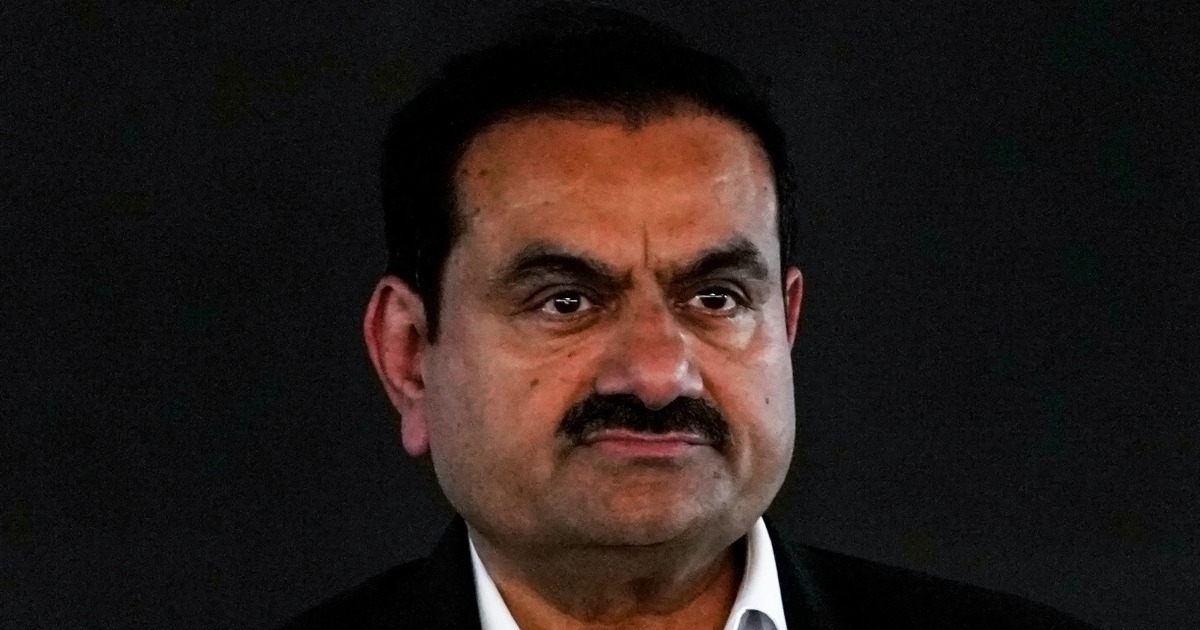
The story centers on Democratic senators asking why the DOJ backed away from a major fraud and bribery case against Indian billionaire Gautam Adani. They say the timing, the role of one of Trump’s personal lawyers, and a reported U.S. investment offer raise corruption concerns.
Two U.S. senators are asking why the government stopped a big case against a rich businessman from India. They think it may look like a trade: money and influence on one side, fewer legal problems on the other, like someone getting out of trouble after making a big promise.
Analysis
What happened
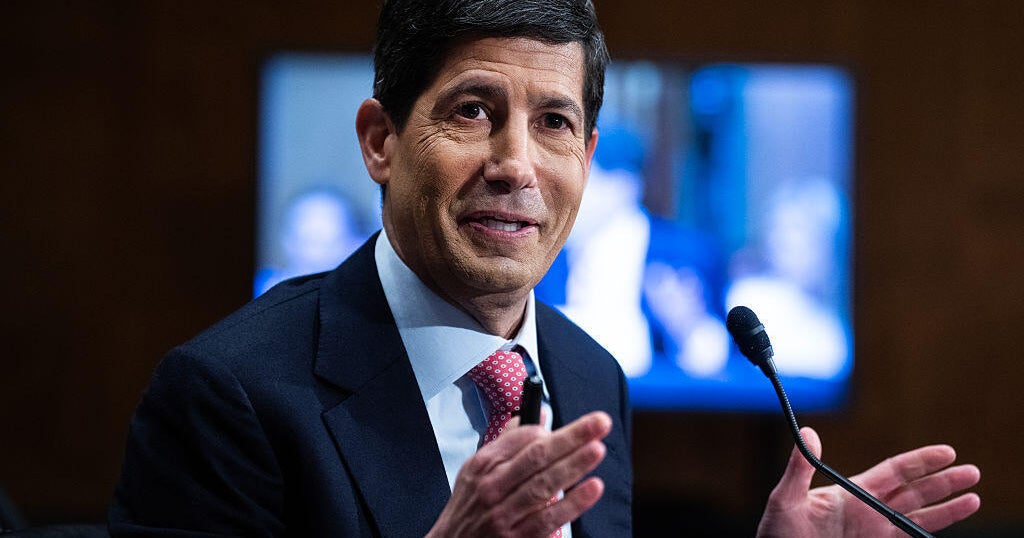
Democratic Sens. Elizabeth Warren and Richard Blumenthal asked acting Attorney General Todd Blanche to explain why the Justice Department moved to drop fraud charges against Gautam Adani, founder and chairman of Adani Group. The senators say the reversal gives the appearance that the case may have been traded away after Adani hired Robert Giuffra, one of President Donald Trump’s personal lawyers.
The underlying case
Adani was indicted in 2024 in the Eastern District of New York. Prosecutors alleged that he and others took part in a large fraud and bribery scheme involving claims that U.S. investors were misled and that Indian officials were paid off so Adani Green Energy could secure approval for a major solar project. The indictment said the project was expected to generate billions in profits over two decades. Adani and his company have denied the allegations.
Why the senators are pushing
A court filing last month said prosecutors would not “devote further resources” to the case, but it did not include signatures from the assigned prosecutors, which the senators say is unusual. They also want to know whether Adani promised to invest $10 billion in the United States if the charges were dropped, and whether the White House communicated with the Justice Department about the matter.
Other enforcement actions
The article notes that the SEC reached a $6 million civil settlement in May with Adani and his nephew, and that the Treasury Department announced a $275 million settlement tied to sanctions violations by a company founded by Adani. Those actions suggest the broader scrutiny of the Adani empire is still active even as the criminal case appears to be in retreat.
Key points
- Warren and Blumenthal questioned the DOJ’s decision to drop fraud charges against Gautam Adani.
- They suggested the move may have followed Adani’s hiring of Robert Giuffra, a Trump personal lawyer.
- The senators asked whether Adani offered a $10 billion U.S. investment in exchange for the case being dropped.
- The criminal case involved allegations of bribery, investor fraud, and a solar power contract in India.
- Separate SEC and Treasury actions against Adani-related entities are still cited in the article.
If the Justice Department explains its move clearly, it could reduce suspicion that the case was dropped for improper reasons. A transparent response could also help restore confidence that even wealthy, well-connected people are treated fairly under U.S. law.
If the case was dropped because of political pressure or a promised investment, it would deepen concerns that access to power can override law enforcement. It could also strengthen the perception that bribery or influence can pay off in the long run.