DNA technology solves 25-year-old mystery of human remains found in Olympic National Park
Human remains from 2000 identified as Joseph Louis Serrao Jr. after DNA analysis.
Intelligence analysis by Qwen 2.5 (3B)

Forensic genealogy and DNA sequencing help identify a man whose remains were discovered in Washington state's Olympic National Park over two decades ago.
Scientists took a tiny piece of the bones and used really fancy tools to figure out what they looked like. They found out that the bones belonged to a man named Joseph who lived a long time ago in Washington state, and he was last seen by his family many years ago.
Analysis
The Discovery
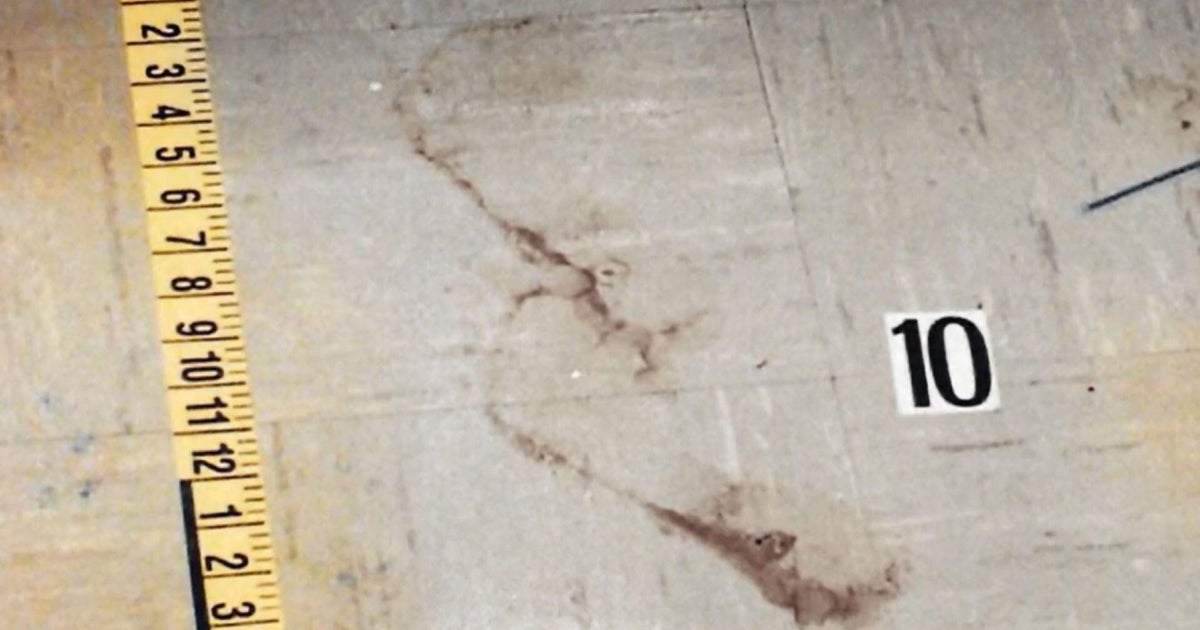
In July 2000, human remains were found inside a sleeping bag in a tent along the Sol Duc River drainage in Olympic National Park. No identity could be confirmed at the time.
The Investigation
A forensic anthropologist submitted DNA from the remains to Othram Laboratory in Texas in 2024. Using advanced genome sequencing, analysts built a comprehensive profile of the remains.
The Identification Process
Investigators identified possible family connections across several states and contacted relatives for DNA samples. Genetic, genealogical, and circumstantial evidence confirmed the remains belonged to Joseph Louis Serrao Jr., who was born on December 3, 1960.
The Impact
The identification provides long-awaited answers to Serrao's family, who last saw him in 1998. Investigators hope it brings closure to those who have spent years wondering about his fate.
Key points
- Human remains from 2000 were identified as Joseph Louis Serrao Jr. after DNA analysis
- Forensic genealogy and genome sequencing played a crucial role in identifying the remains
- The identification provides closure to Joseph's family, who last saw him in 1998
- This case demonstrates the power of modern forensic technology in solving cold cases
This case shows how modern forensic technology can help solve old mysteries and bring closure to families who have been waiting for answers for decades. It also demonstrates the power of genealogical research in solving cold cases.
While this identification brings some comfort to Joseph's family, it highlights the challenges faced by law enforcement when dealing with missing persons over long periods and the importance of maintaining evidence properly.