Do Fitness Trackers Still Work If You Have Tattoos?
Fitness trackers may not work properly for people with wrist tattoos, due to issues with heart rate sensing and wrist detection. The problem is caused by the tattoo ink blocking the light used by the sensors.
Intelligence analysis by Llama 3.3 70B
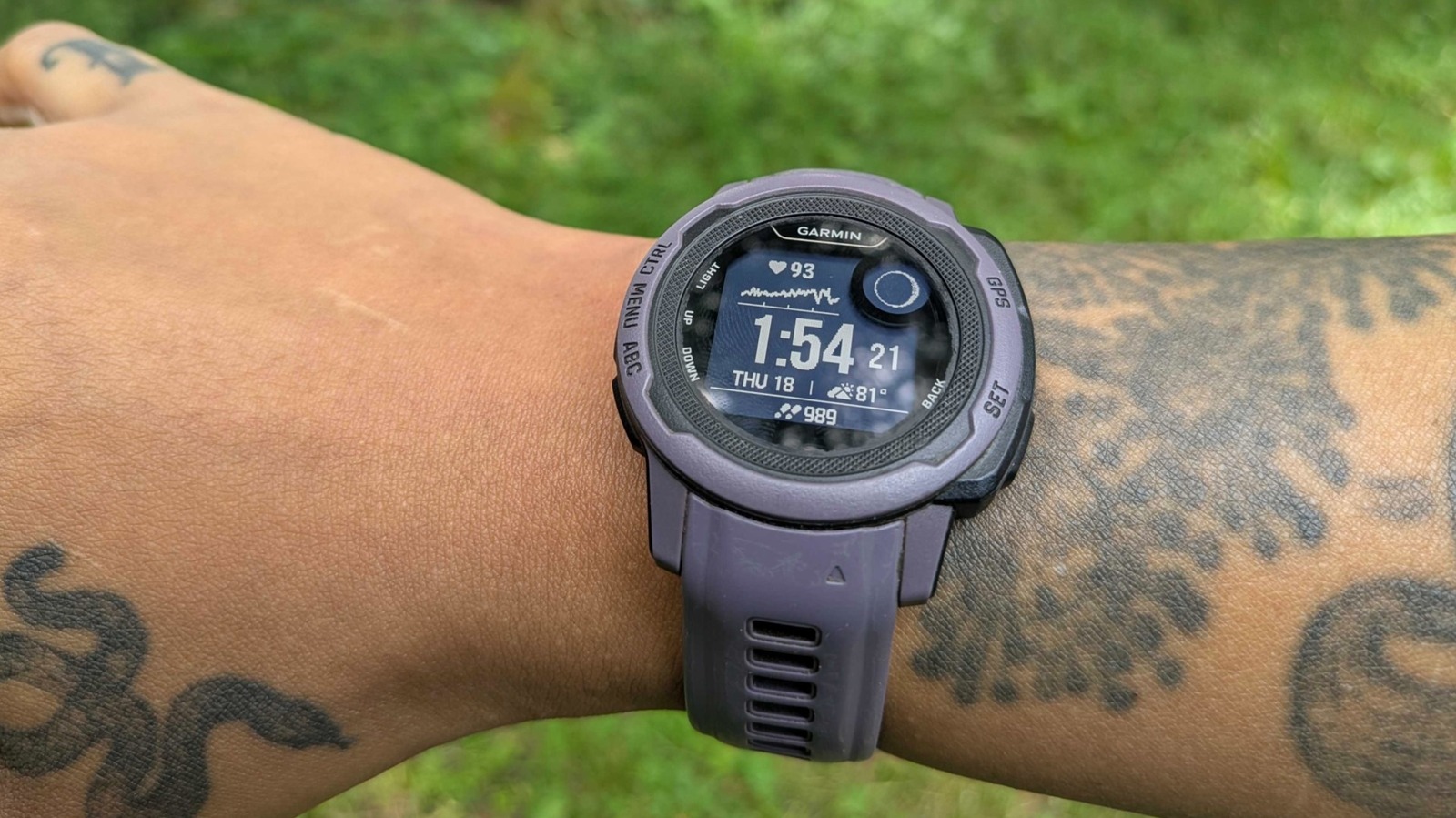
Wearables use light-based sensors to measure heart rate and detect wrist presence, but tattoos can interfere with these readings, leading to inaccurate or missing data.
Imagine you have a tattoo on your wrist and you want to use a fitness tracker to monitor your heart rate. But, the tattoo ink can block the light that the tracker uses to measure your heart rate, making it hard for the device to get an accurate reading. It's like trying to take a picture through a colored lens - the image gets distorted.
Analysis
The Tattoo Conundrum
The problem of tattoos interfering with fitness trackers is not a new one, but it's an issue that has been gaining attention in recent years. As more people get tattoos, the demand for wearables that can accommodate them is growing. However, the current technology used in fitness trackers is not designed to handle the variations in skin tone and texture that come with tattoos. One of the main challenges is that tattoos can block the light used by the sensors, making it difficult for the device to get an accurate reading. This can lead to inaccurate or missing data, which can be frustrating for users who rely on their fitness trackers to monitor their progress. For example, some users have reported that their fitness trackers are unable to detect their heart rate or track their sleep patterns when they have a tattoo on their wrist.
The Science Behind the Issue
The issue is not just a matter of the tattoo ink blocking the light, but also the way that the sensors are designed. Most fitness trackers use a technique called photoplethysmography (PPG) to measure heart rate, which involves shining a light through the skin to detect changes in blood flow. However, this method can be affected by the presence of tattoos, which can absorb or scatter the light in ways that make it difficult for the sensor to get an accurate reading. Researchers have been studying the issue, and they have found that the presence of tattoos can affect the accuracy of heart rate readings. However, the results are not consistent, and more research is needed to fully understand the problem.
The Future of Wearable Technology
Despite the challenges, there are some potential solutions on the horizon. Some companies are working on developing new sensors that can accommodate tattoos, and others are exploring alternative methods for measuring heart rate and other health metrics. For example, some devices use electrical sensors instead of light-based sensors, which can be less affected by tattoos. Additionally, some companies are developing wearable devices that can be worn on other parts of the body, such as the chest or arm, which can be less affected by tattoos. Overall, the issue of tattoos interfering with fitness trackers is a complex one, but it's an important area of research and development. As the use of wearables continues to grow, it's essential to address this problem to ensure that everyone can benefit from these devices.
Key points
- Tattoos can interfere with fitness trackers' heart rate sensing and wrist detection
- The issue is caused by the tattoo ink blocking the light used by the sensors
- Researchers are studying the problem, but more research is needed to fully understand it
- Some potential solutions include developing new sensors or using alternative methods for measuring heart rate
As researchers and developers work to address the issue of tattoos interfering with fitness trackers, we can expect to see new and innovative solutions emerge. This could lead to more accurate and reliable wearable devices that can be used by everyone, regardless of their skin tone or texture. Additionally, the development of new sensors and technologies could lead to new applications and uses for wearable devices, such as monitoring other health metrics or tracking fitness goals.
The issue of tattoos interfering with fitness trackers is a complex one, and it may take some time to develop effective solutions. In the meantime, users with tattoos may experience frustration and disappointment with their wearable devices, which could lead to a lack of trust in the technology. Additionally, the lack of diversity in research and development could lead to a lack of representation and accommodation for users with different skin tones and textures.