Donald Trump hits Australian exports to US with new higher trade tariff over claims of ‘forced labour’
The US has imposed a new 12.5% tariff on many Australian exports, citing a failure to combat forced labour. Australia's government calls the tariffs unjustified and inconsistent with their free trade agreement.
Intelligence analysis by Gemini 2.5 Flash Lite
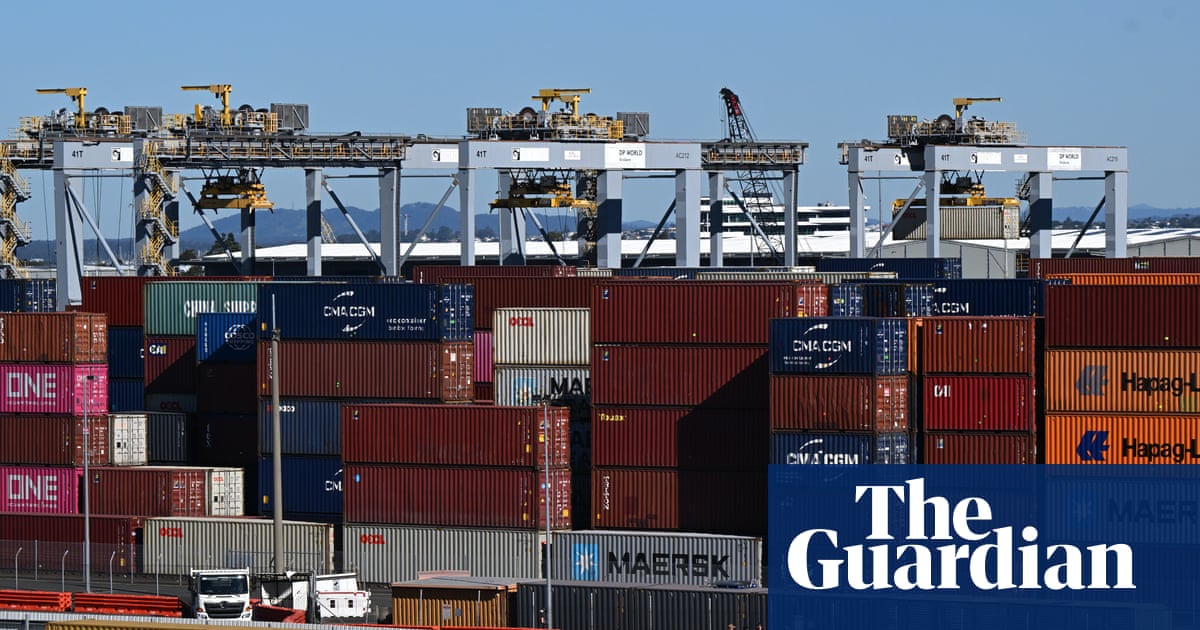
The Trump administration has levied a new 12.5% tariff on a wide range of Australian exports, alleging insufficient action against forced labour. While Australia's trade minister decries the move as unjustified and contrary to their trade agreement, the US claims it is enforcing a ban on goods produced with forced labour. Key Australian export categories like beef and gold are reporte…
Imagine the US is like a picky shopper who decided to charge extra money (a tariff) for many items coming from Australia. The shopper says it's because Australia isn't doing enough to make sure workers aren't being forced to work. But Australia says they have good rules and are already doing a lot, and they don't think the extra charge is fair, especially since some of their favorite items like beef are still allowed without the extra charge.
Analysis
A New Trade Barrier
The United States, under the Trump administration, has implemented a significant new trade tariff of 12.5% on a broad spectrum of Australian exports. This measure, affecting 54 economies globally, is ostensibly aimed at combating forced labour within international supply chains. The US trade department's statement asserts that Australia, along with other nations, has failed to adequately prohibit and enforce the importation of goods produced under such conditions. This move follows a pattern of the Trump administration utilizing trade tariffs as a policy tool, particularly after previous tariffs were challenged and struck down by the US Supreme Court.
Australian Rebuttal and Concerns
The Australian government has strongly contested the imposition of these tariffs, with Trade Minister Don Farrell labeling them "unjustified" and "inconsistent" with the existing free trade agreement between the two nations. Farrell emphasized Australia's robust measures against forced labour and modern slavery, asserting that the country's standards are recognized globally. He specifically questioned the US claim that other nations, such as India, have superior regimes in place. Opposition figures in Australia have also criticized the government's handling of the situation, suggesting that Australia has not secured the same favorable tariff rates as countries like the UK or Canada, and that Australia is now subject to the same rate as nations like Russia and China.
Broader Implications and Exemptions
The tariffs, which cover a vast majority of US imports, are part of a wider trade policy initiative. Notably, the US trade action document outlines exemptions for several key Australian export categories, including beef, agricultural products, aircraft parts, certain minerals, and timber. This selective exemption suggests a targeted approach rather than a blanket punitive measure. However, the underlying pretext of forced labour claims and the imposition of tariffs by a major trading partner like the US raise concerns about the future of international trade relations and the potential for further protectionist measures.
Key points
- The US has imposed a new 12.5% tariff on many Australian exports, citing concerns over forced labour.
- Australia's government has called the tariffs unjustified and inconsistent with their free trade agreement.
- Key Australian export categories like beef and gold are reportedly exempt from the new tariffs.
- US officials claim Australia has failed to adequately enforce prohibitions on goods produced with forced labour.
- Australian industry groups have expressed disappointment and called the decision "ludicrous" and "unjustified".
Australia and the US may engage in further diplomatic discussions to resolve the tariff dispute, potentially leading to the removal of the imposed duties. This could reinforce their strong bilateral trade relationship and uphold the principles of their free trade agreement.
The tariffs could escalate trade tensions between Australia and the US, potentially leading to retaliatory measures or a broader re-evaluation of trade policies, impacting Australian exporters and the broader economic relationship.