Tehran slams Trump’s threat to use frozen Iranian assets as ‘incendiary’
Former US President Donald Trump has threatened to use frozen Iranian assets to cover damages from attacks on ships in the Strait of Hormuz, drawing strong condemnation from Tehran amidst escalating US-Iran tensions.
Intelligence analysis by Gemini 2.5 Flash

Amidst a backdrop of intensifying military exchanges, former US President Donald Trump declared his intent to seize frozen Iranian funds to compensate for potential damages to shipping in the Strait of Hormuz. Iran's Foreign Minister Abbas Araghchi swiftly denounced this as an "incendiary precedent," warning of global financial chaos if asset confiscation becomes normalized.
Imagine two kids, America and Iran, are having a big argument. America says if Iran or its friends cause any damage to boats in a busy water path, America will take money Iran has saved up to pay for it. Iran is very angry, saying this is a very bad idea and could make everyone's money unsafe, making the argument even worse and more dangerous for everyone.
Analysis
Trump's Asset Seizure Threat and Rationale
Former US President Donald Trump's recent declaration to utilize frozen Iranian assets marks a significant escalation in the ongoing hostilities between Washington and Tehran. Writing on his Truth Social platform, Trump explicitly stated that any damages incurred by ships and cargo in the vital Strait of Hormuz would be paid for by "Iranian Money that the United States has in its possession, and controls." He justified this move as the "fair and equitable thing to do," implying a direct punitive measure for perceived Iranian aggression or its allies' actions. This threat comes after a period of heightened military activity, including Washington's 13th consecutive night of strikes on Iran and Trump's consideration of a "massive attack."
Tehran's 'Incendiary Precedent' Warning
Iran's Foreign Minister Abbas Araghchi immediately condemned Trump's comments, labeling the proposed seizure of assets to cover "unrelated future claims" as an "incendiary precedent." In a post on X, Araghchi warned that if governments normalize such confiscation, no nation's assets would be safe, predicting ensuing chaos that would be neither pretty nor peaceful. This reaction underscores Iran's view of the move as a violation of international norms and a dangerous expansion of economic warfare. The issue of Iran's frozen assets, estimated at around $100 billion and initially frozen in 1979, has been a long-standing point of contention, previously discussed in a now-collapsed memorandum of understanding aimed at de-escalating the conflict.
Escalating Regional Tensions and Broader Implications
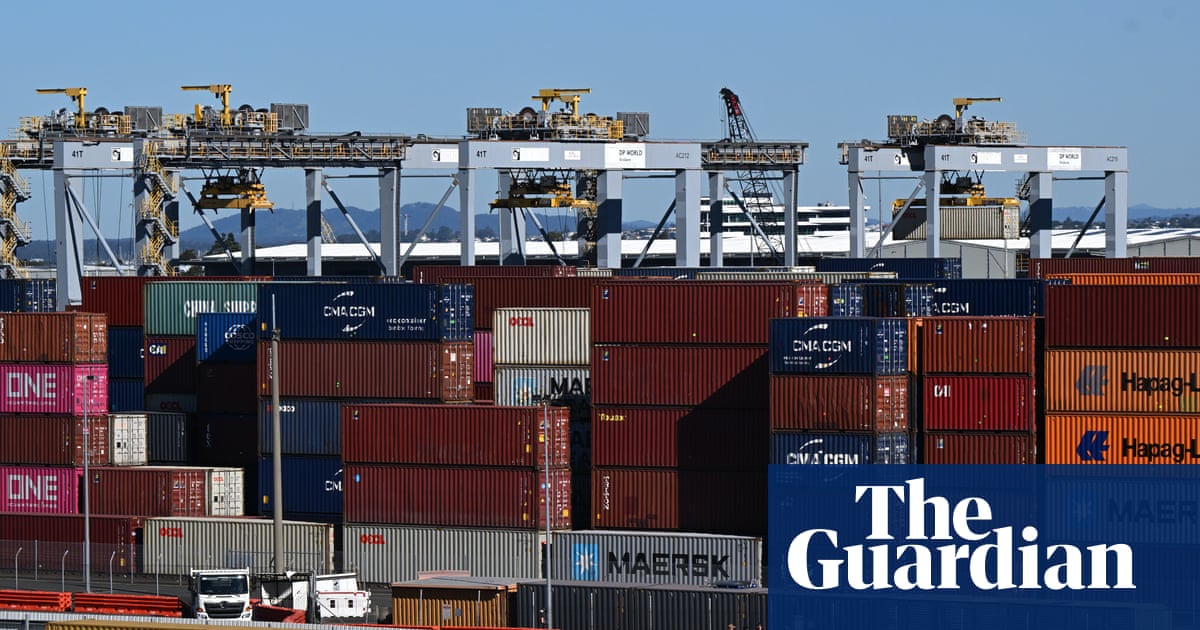
Trump's threat is set against a backdrop of rapidly deteriorating relations and direct military engagements. The article notes that tensions have escalated since early July, with both sides trading attacks. Specifically, Trump's pledge of "major military punishment" followed Yemeni Houthi fighters striking two Saudi oil tankers in the Red Sea, while Iran responded with a new wave of drone attacks on US military installations in Bahrain and Jordan. The economic impact is already visible, with ship tracking data showing a significant drop in tanker traffic through the Strait of Hormuz, a critical chokepoint for global oil supplies. This confluence of military action, economic threats, and the potential for a dangerous international precedent suggests a highly volatile situation with far-reaching geopolitical and economic consequences.
Key points
- Former US President Donald Trump threatened to use frozen Iranian assets to pay for damages to ships in the Strait of Hormuz.
- Iranian Foreign Minister Abbas Araghchi condemned Trump's comments as an "incendiary precedent" that could destabilize international finance.
- Tensions between the US and Iran have escalated since early July, marked by mutual military strikes and threats.
- The US has conducted 13 consecutive nights of strikes on Iran, while Iran launched new drone attacks on US bases in Bahrain and Jordan.
- Ship traffic in the Strait of Hormuz has significantly decreased, indicating heightened risk to global shipping and oil supplies.
The threat to seize Iranian assets could significantly escalate the conflict, potentially leading to more direct military confrontations and further destabilizing the Middle East. It risks setting a dangerous international precedent for asset confiscation, undermining global financial stability and international law, and could prompt retaliatory actions from Iran, impacting global trade and energy supplies.
Market signals
- OIL Escalating tensions, attacks on oil tankers, and reduced traffic in the Strait of Hormuz increase supply-route risks, pushing oil prices higher.
AI-generated analysis of potential market relevance. Not financial advice.