Egypt: Station Controller and Supervisor Detained in Al-Ayyat Train Collision Investigation
Egyptian authorities have detained a station controller and supervisor following a train collision in Al-Ayyat, Giza Governorate, as investigations revealed negligence and manipulation of records.
Intelligence analysis by Gemini 2.5 Flash
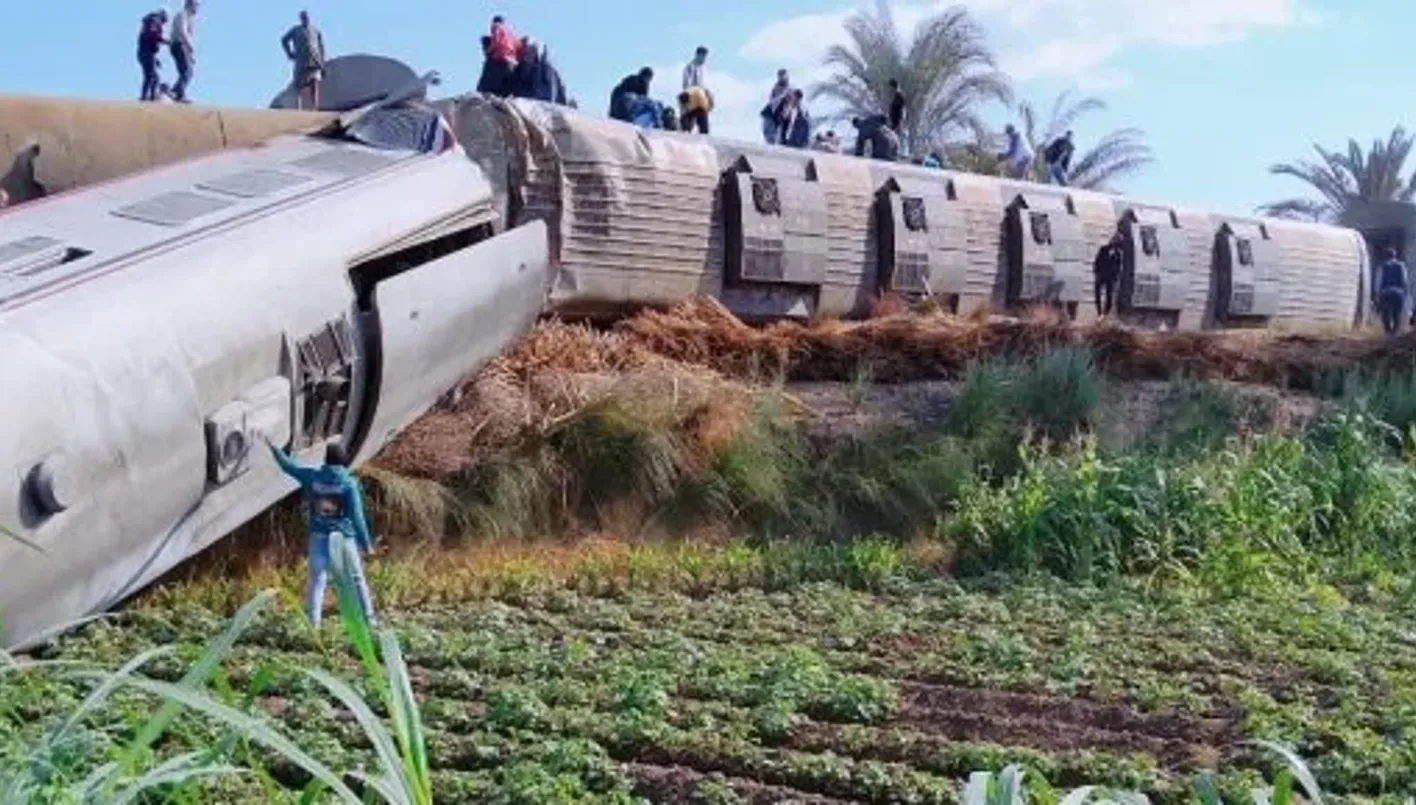
The Public Prosecution's inquiry into the Al-Ayyat train accident uncovered that the driver of train No. 134 disabled the automatic control system, while station personnel failed to monitor signals and falsified records. This led to the detention of the station controller and supervisor, alongside the formation of a technical committee to comprehensively review railway safety and oper…
Imagine two toy trains on the same track. One train's driver turned off its special safety computer, and the people watching the track signals weren't paying attention and even tried to hide their mistake. Because of this, the trains crashed. Now, grown-ups are trying to figure out exactly what went wrong and are bringing in smart engineers to help make sure all the trains and tracks are super safe so this doesn't happen again.
Analysis
The recent train collision in Al-Ayyat has brought Egypt's railway safety standards under intense scrutiny, leading to immediate legal actions and a broader systemic review. The Public Prosecution's swift response underscores the gravity of the incident and the public demand for accountability.
Train No. 134
Investigations into the Al-Ayyat train collision specifically pinpointed critical failures related to train No. 134. It was revealed that the train's driver deliberately deactivated the automatic control system, a crucial safety mechanism designed to prevent such accidents. This action directly contributed to the collision, raising serious questions about driver training, adherence to protocols, and the oversight mechanisms in place.
The inquiry also gathered testimonies from injured passengers who reported that train No. 134 was traveling at high speed from the moment it departed the Al-Ayyat station until the accident occurred. This suggests a potential pattern of reckless operation or a lack of effective speed control, further implicating the driver's conduct and the immediate operational environment.
Al-Raqqa Station Controller
Beyond the train's operation, the investigation uncovered significant negligence at the Al-Raqqa station, directly involving its controller and supervisor. Both individuals admitted to failing in their duty to monitor the control panel for signal tower No. "T 10," which is essential for safe train movement. This dereliction of duty allowed the hazardous situation to escalate unchecked.
Furthermore, the station controller was found to have manipulated the signal logbook in an attempt to conceal their negligence and lack of oversight. This act of falsification indicates a deliberate effort to obstruct justice and evade responsibility, leading to their detention alongside the supervisor. Their actions highlight a breakdown in accountability at a critical operational juncture.
Technical Committee
In response to the accident's findings, the Egyptian Public Prosecutor has established a specialized technical committee, comprising engineering professors from Cairo University. This committee is tasked with conducting a comprehensive examination of the entire railway system, moving beyond the immediate incident to address systemic issues. Its mandate includes scrutinizing operating conditions, safety factors, and monitoring protocols, encompassing both equipment and human elements.
The committee will also review the effectiveness of recent development projects and upgrades within the railway infrastructure, assessing their impact on accident prevention. Additionally, it will analyze past accident reports to identify recurring causes and common factors, aiming to implement long-term solutions to enhance overall railway safety and prevent future tragedies. This holistic approach signals a commitment to fundamental reform.
Key points
- A station controller and supervisor were detained in connection with the Al-Ayyat train collision.
- Investigations revealed the driver of train No. 134 disabled the automatic control system.
- The station controller and supervisor failed to monitor the signal board and manipulated records to hide their negligence.
- The Public Prosecutor formed a technical committee from Cairo University to examine the railway system's safety and operations.
- The committee will review operating conditions, safety factors, equipment, human elements, signal systems, and past accident reports.
The formation of a high-level technical committee, including university experts, suggests a serious commitment to a thorough, systemic review of Egypt's railway infrastructure and operational protocols. This comprehensive approach could lead to significant safety improvements, enhanced training, and stricter accountability measures, potentially preventing future accidents and restoring public confidence in the national railway system.
Despite the ongoing investigations and detentions, the incident highlights persistent issues within Egypt's railway system, including human error and potential systemic negligence. Without fundamental and sustained reforms, there is a risk that such accidents could recur, eroding public trust and demonstrating a continued failure to adequately address critical safety deficiencies.