Trump ‘Board of Peace’ says Israel too slow as floods ravage Gaza
President Donald Trump's "Board of Peace" criticized Israel for insufficient aid to Gaza, where heavy rains have caused deadly floods, sweeping away tens of thousands of tents and killing at least five people.
Intelligence analysis by Gemini 2.5 Flash
The US-brokered "Board of Peace," established to oversee the Israel-Hamas ceasefire, issued a statement urging Israel to immediately authorize and facilitate the entry of winterization and humanitarian supplies into Gaza. This comes as the territory faces an immediate humanitarian emergency due to severe flooding, while Israel maintains that Hamas should bear responsibility for infras…
Imagine a big playground where two groups are having a big argument, and many kids have to live in tents because their homes are broken. Now, imagine it rains really, really hard, and all the tents get washed away, making everyone cold and sick. A special grown-up group, like a referee, is telling one of the arguing groups that they need to let more blankets and warm clothes into the playground to help the kids, but that group says the other group should have built stronger homes instead of playing with toy weapons. It's a tough situation where everyone needs help right now.
Analysis
The recent statement from President Donald Trump's "Board of Peace" marks a significant moment in the ongoing humanitarian crisis in Gaza, directly challenging Israel's pace and scope of aid delivery. The Board, which was established to implement a US-brokered ceasefire announced in October 2025, has been vocal about the need for Israel to prepare for winter conditions and seasonal flooding. Its latest intervention underscores a growing international concern over the dire situation faced by displaced Palestinians.
Board of Peace
The "Board of Peace" serves as a critical oversight body, tasked with ensuring the adherence to the October 2025 ceasefire agreement between Israel and Hamas. Its recent statement, which explicitly called out Israel for its "insufficient" measures, indicates a perceived failure in humanitarian obligations. The Board's warnings to Israel regarding impending winter and seasonal flooding had apparently gone unheeded to a degree that necessitated a public rebuke, highlighting the challenges in maintaining the truce's humanitarian aspects.
This body's authority stems from its US-brokered mandate, giving its pronouncements considerable weight in international diplomatic circles. By acknowledging steps taken by Israel, such as allowing over 8,200 trucks with supplies including 91,000 tents, but simultaneously deeming them inadequate, the Board is applying pressure for a more robust and immediate response. This dual approach aims to both recognize efforts and push for greater action, reflecting the complex political dynamics at play.
Gaza's Humanitarian Crisis
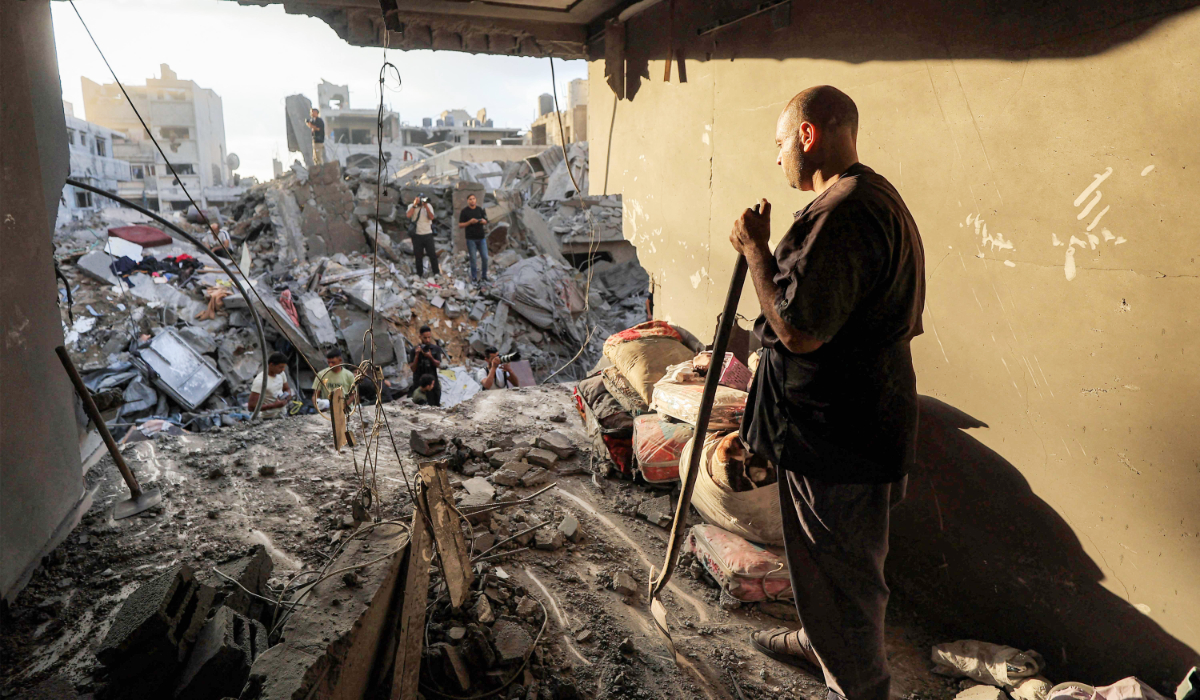
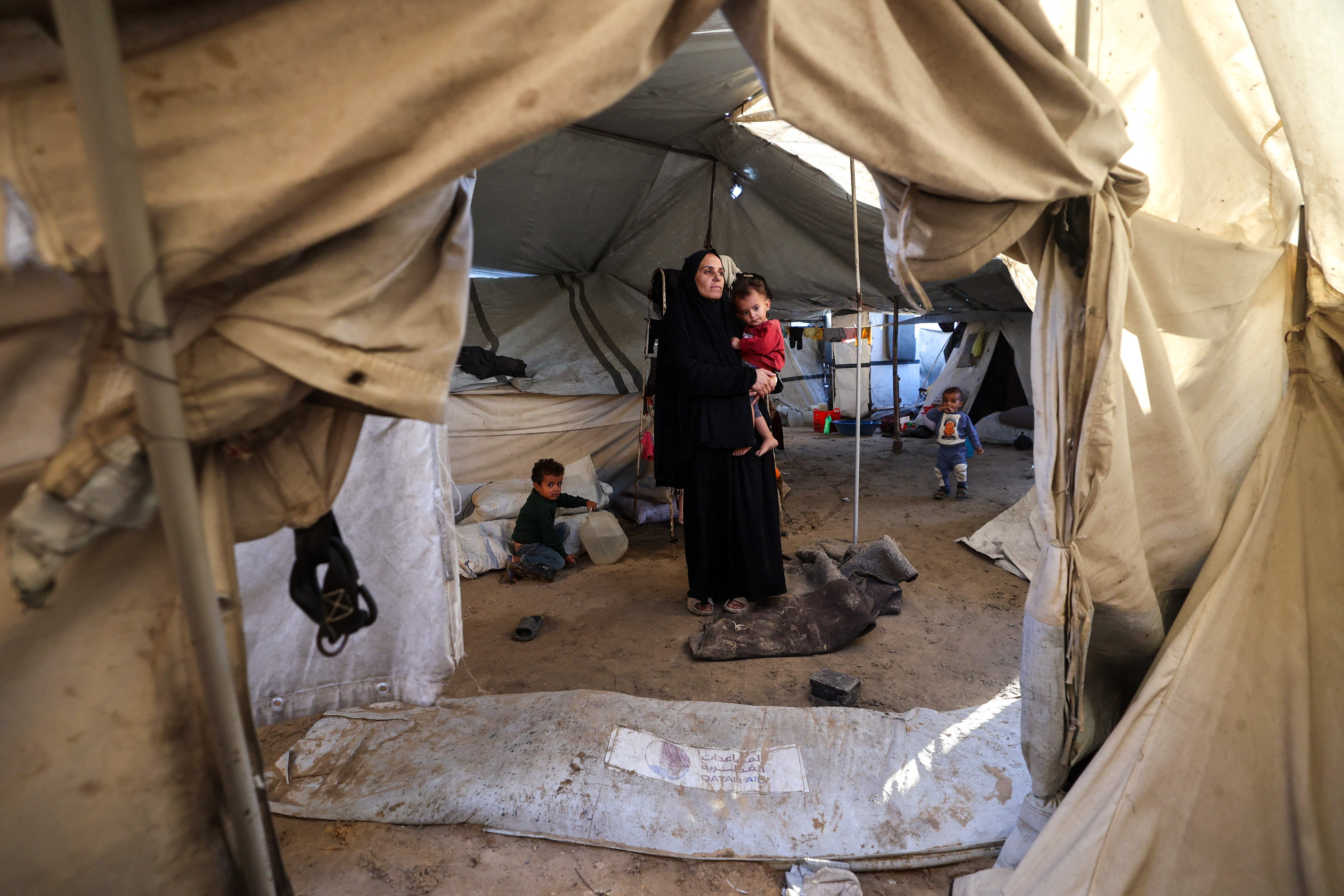
The humanitarian situation in Gaza has rapidly deteriorated, exacerbated by heavy rains that have swept away tens of thousands of tents and claimed at least five lives. With virtually the entire population displaced at least once, the territory's infrastructure is severely strained, making it highly vulnerable to natural disasters. The floods have transformed an already critical situation into an "immediate humanitarian emergency," as described by the Board of Peace.
The destruction of temporary shelters leaves countless families exposed to the elements, compounding the challenges of displacement, lack of resources, and ongoing conflict. The call for "all necessary winterization and humanitarian supplies" is a direct response to the immediate needs on the ground, including shelter, warmth, and medical aid. This crisis underscores the urgent need for unimpeded access for humanitarian assistance, a point of contention given Israel's control over entry into the territory.
Benjamin Netanyahu
Prime Minister Benjamin Netanyahu's government has responded to the criticism with a biting tone, placing responsibility for Gaza's infrastructure squarely on Hamas. The Israeli foreign ministry's statement on X, asserting that "Hamas doesn’t get to escape responsibility every time it rains," reflects a long-standing narrative that blames the militant group for the territory's woes due to its alleged diversion of resources to weaponry instead of civilian infrastructure. This stance complicates efforts to streamline humanitarian aid, as it frames the crisis within the broader context of the conflict.
Netanyahu, who is reportedly fighting for his political survival following recent tight elections, has also maintained a hardline position against Hamas, vowing to eliminate anyone involved in the October 7, 2023 attack. This political pressure at home may influence his government's willingness to concede to international demands for increased aid, as any perceived leniency could be politically damaging. The ongoing nearly daily strikes in Gaza, despite the ceasefire, further illustrate the complex and volatile environment in which humanitarian efforts are being attempted.
Key points
- President Donald Trump's "Board of Peace" criticized Israel for its "insufficient" response to the humanitarian crisis in Gaza.
- Heavy rains have caused deadly floods in Gaza, sweeping away tens of thousands of tents and killing at least five people.
- The Board called on Israel to immediately authorize and facilitate the entry of all necessary winterization and humanitarian supplies.
- Israel's foreign ministry blamed Hamas, stating the militant group should have invested in infrastructure instead of weaponry.
- The Board also urged Hamas to uphold its commitments under the October 2025 US-brokered ceasefire.
The public criticism from the Trump-backed "Board of Peace" could exert significant international pressure on Israel to increase and expedite humanitarian aid to Gaza. This intervention might lead to a more effective and coordinated response to the flooding crisis, potentially alleviating some of the immediate suffering for displaced Palestinians and strengthening the fragile ceasefire's humanitarian provisions.
Despite the Board's call, Israel's government, under Prime Minister Netanyahu, may continue to prioritize its security concerns and place blame on Hamas, leading to insufficient aid and a worsening humanitarian crisis. The ongoing political instability in Israel and the continued military actions could further undermine the ceasefire, prolonging the suffering in Gaza and risking broader regional escalation.