EU crisis chief urges tougher climate action amid France, Spain wildfires
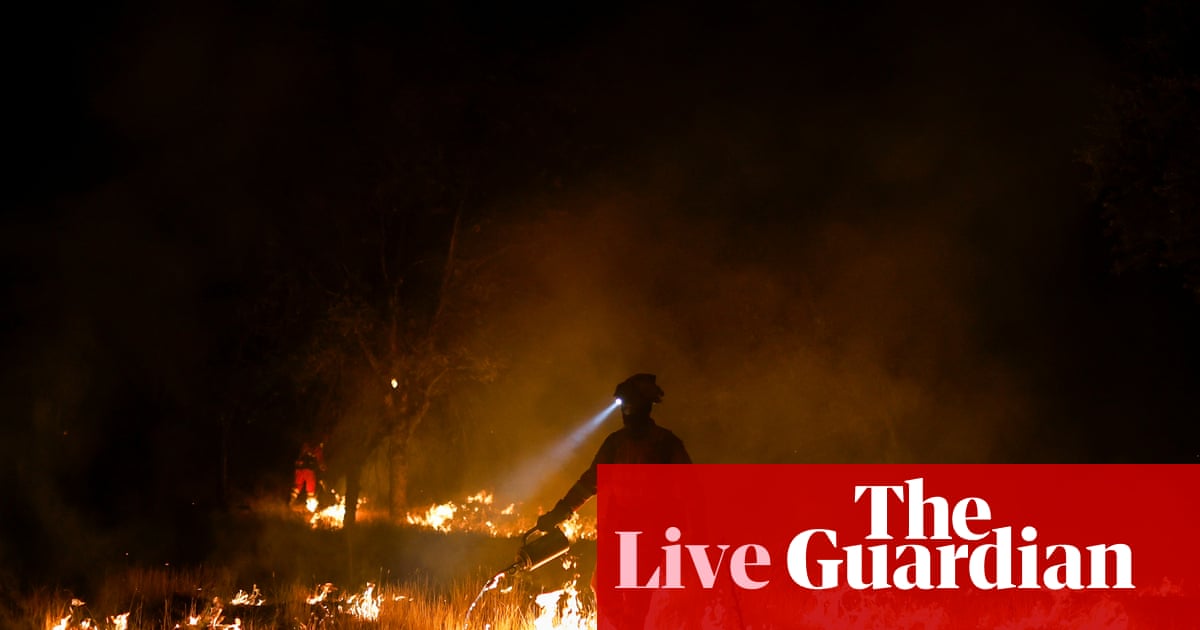
The European Union's crisis management commissioner, Hadja Lahbib, has called for increased funding and a renewed focus on forest management to tackle climate change, as France and Spain prepare for another heatwave that could ignite new wildfires.
Intelligence analysis by Llama

EU crisis chief Hadja Lahbib urges tougher climate action, citing the need for increased funding and better education on fire risk, as France and Spain battle devastating wildfires.
Imagine a big fire that's burning across a whole country. That's what's happening in France and Spain right now. The EU's crisis management commissioner is saying that we need to do more to stop these fires from happening in the first place. We need to learn how to prevent fires and make sure we're prepared for them when they do happen.
Analysis
A Call to Action: EU's Climate Strategy Must Evolve with the Times
The European Union's crisis management commissioner, Hadja Lahbib, has sounded the alarm on the need for the bloc to invest more in tackling climate change. As France and Spain prepare for another crippling heatwave that could ignite new wildfires and intensify blazes already burning, Lahbib has called for increased funding, better education on fire risk, and a renewed focus on forest management. The EU must ensure its climate strategy remains in lockstep with realities on the ground, as global warming advances faster than scientists previously projected.
Lahbib's comments come as devastating wildfires continue to burn across parts of France and Spain, forcing the evacuation of 330,000 people. French Interior Minister, Laurent Nunez, said the country has 'very likely' carried out its largest civilian evacuation outside of wartime. Around 220,000 have so far been evacuated in France and more than 110,000 in Spain have fled their homes.
Europe is the world's fastest-warming continent. As temperatures rise, evidence continues to emerge that climate change could have severe economic consequences for the continent. The annual Lancet Countdown on Health and Climate Change found that Europe is woefully unprepared for the health impacts of global warming.
The Human Cost of Climate Change: A Wake-Up Call for Europe
The wildfires in France and Spain are a stark reminder of the human cost of climate change. The blazes have already claimed several lives and forced thousands to flee their homes. The situation is likely to become even more volatile as another heatwave approaches, with temperatures expected to reach as high as 42C (108F) in some areas.
The Road Ahead: A Renewed Focus on Climate Action
The EU's crisis management commissioner has called for a renewed focus on climate action, citing the need for increased funding and better education on fire risk. The bloc must work together to develop a comprehensive strategy to tackle climate change, one that takes into account the latest scientific research and the needs of its citizens.
In conclusion, the EU's climate strategy must evolve with the times. The bloc must invest more in tackling climate change, educate its citizens on fire risk, and focus on forest management. The human cost of climate change is too high to ignore, and it is time for the EU to take decisive action.
Key points
- EU crisis management commissioner Hadja Lahbib has called for increased funding and a renewed focus on forest management to tackle climate change.
- France and Spain are battling devastating wildfires, with over 330,000 people evacuated.
- The EU must ensure its climate strategy remains in lockstep with realities on the ground, as global warming advances faster than scientists previously projected.
If the EU takes decisive action on climate change, it could lead to a reduction in greenhouse gas emissions and a decrease in the number of devastating wildfires. This could also lead to a decrease in the economic consequences of climate change, making it easier for countries to adapt to the changing climate.
If the EU fails to take decisive action on climate change, it could lead to a continued increase in greenhouse gas emissions and a rise in the number of devastating wildfires. This could also lead to a continued increase in the economic consequences of climate change, making it harder for countries to adapt to the changing climate.