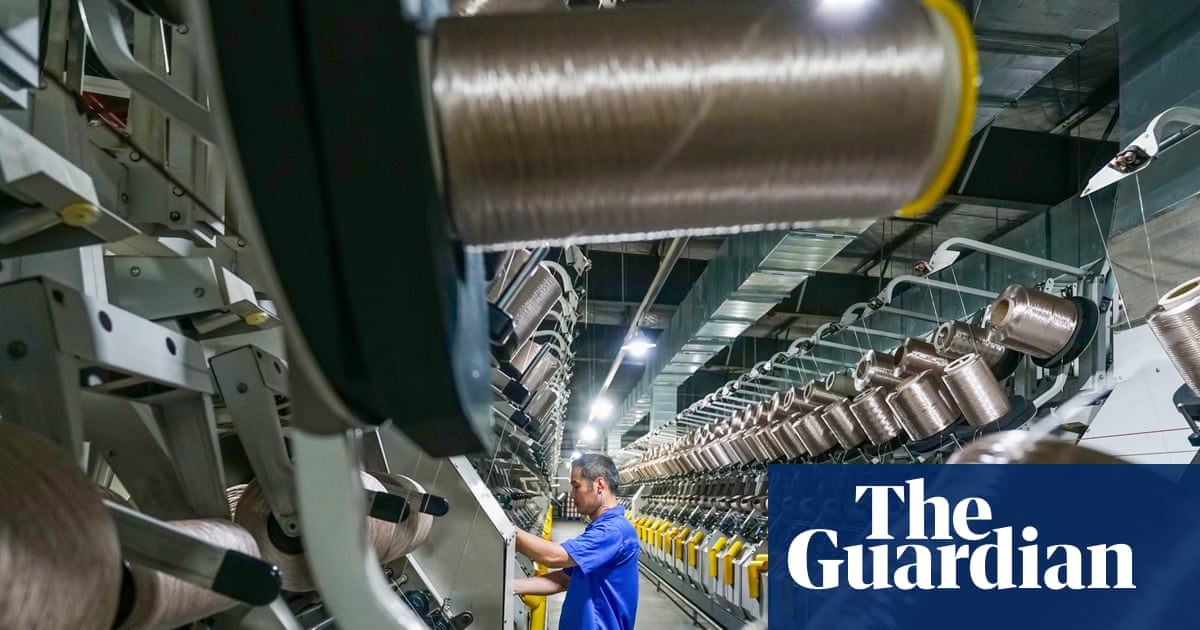
EU trade deficit with China reaches record €1bn a day, data shows
The EU's trade deficit with China has hit a record €1bn a day, totaling €31.9bn in April, raising concerns about Europe's industrial sector and prompting EU leaders to discuss measures to address the imbalance.
Intelligence analysis by Gemini 2.5 Flash
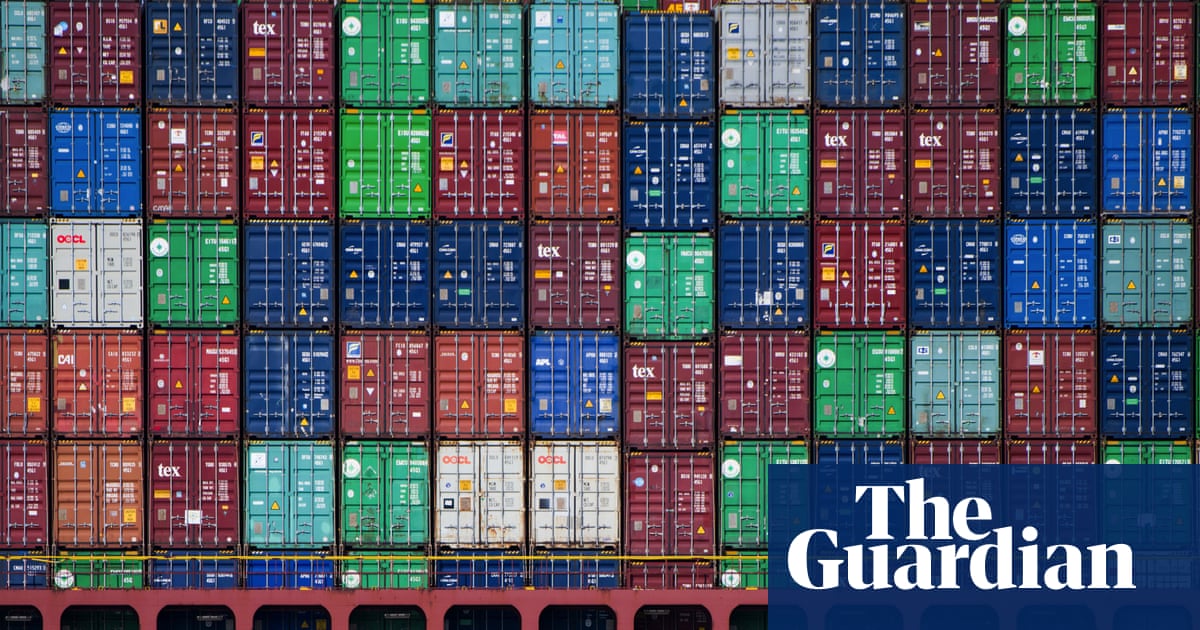
The European Union is facing a significant and growing trade imbalance with China, with the deficit reaching an unprecedented €1bn daily. This situation is sparking alarm among industry leaders and policymakers who fear the long-term impact on European factories and economic self-reliance, especially given China's subsidized industries and increasing presence in key sectors like elect…
Imagine if you always bought lots of cool toys from your friend, but your friend never bought anything from your lemonade stand. Soon, your friend would have all your money! That's kind of what's happening between Europe and China, but with huge amounts of products and money. Europe is buying much more from China than China is buying from Europe, and some people in Europe are worried it could hurt their factories and jobs, like a big "China Shock."
Analysis
The European Union's trade deficit with China has reached a historic high, with official Eurostat data showing a daily imbalance of €1bn (£0.8bn). In April alone, the gap between EU imports from China and exports to China amounted to €31.9bn.
Concerns for Europe's Industrial Backbone
This escalating deficit is fueling significant concerns over the future of Europe’s "industrial backbone." Experts from the Mercator Institute for China Studies, like Rafael Jimenez Buendía, predict the deficit will likely persist in May and June figures based on recorded shipments still at sea.
Alexander Julius, president of Eurometal, a trade organization for steel product buyers, warns that China is "destroying the industrial backbone of Europe." He emphasizes the danger of relying on China, as it could eventually dictate the availability, quantity, and price of critical components, particularly impacting defense industries.
Echoes of "China Shock 2.0"
The current situation has led to warnings of a potential "China Shock 2.0," reminiscent of the US experience over two decades ago when China's entry into the World Trade Organization led to the mothballing of American industries and the creation of the "rust belt." The European trade commissioner, Maroš Šefčovič, has acknowledged the need to address the deficit.
Potential Measures and Chinese Response
The European Commission has reportedly considered various options. Tariffs are deemed less likely due to the "political heavy lifting" required. Analysts suggest quotas on imports of Chinese chemicals and hybrid cars are more viable. Imports of hybrid cars, in particular, have surged since 2024, when the EU imposed tariffs on electric vehicles but not hybrids.
China, through its state-owned Xinhua news agency, has denied allegations of unfair state subsidies and stated it "never deliberately pursued a trade surplus." Beijing argues that a significant portion of the surplus originates from EU companies manufacturing in China and then re-exporting to the bloc. French President Emmanuel Macron attempted a cooperative approach before the G7 meeting, but no breakthroughs are anticipated given China's absence.
Key points
- The EU's trade deficit with China reached a record €1bn per day in April, totaling €31.9bn.
- European leaders are meeting to discuss measures to address the growing trade imbalance, including the influx of Chinese electric and hybrid cars.
- Industry leaders express concerns that China is "destroying the industrial backbone of Europe" and warn of a "China Shock 2.0."
- Potential solutions being considered include import quotas on Chinese chemicals and hybrid cars, with tariffs considered less likely.
- China denies allegations of unfair subsidies, stating a significant portion of the surplus comes from EU companies manufacturing there.
- No breakthroughs are expected from the G7 meeting regarding the trade imbalance with China, which was absent from discussions.
European leaders are actively discussing measures to address the trade imbalance, indicating a recognition of the problem and a potential for coordinated action. If new policies, such as carefully targeted quotas or renewed diplomatic efforts, successfully rebalance trade, it could protect European industries, foster local manufacturing, and ensure long-term economic stability.
The growing trade deficit, fueled by heavily subsidized Chinese industries, poses a significant threat to Europe's industrial sectors. A failure to effectively counter this imbalance could lead to widespread factory closures, job losses, and increased reliance on China for critical components, potentially undermining Europe's economic autonomy and defense capabilities.