Expansion of electricity generation capacity continues
Iran has significantly increased its electricity generation capacity in both renewable and thermal sectors, alongside implementing market reforms to encourage private investment and optimize consumption.
Intelligence analysis by Gemini 2.5 Flash
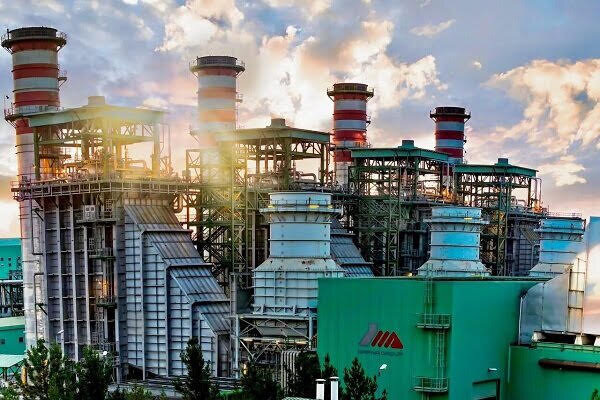
Iran's electricity industry has seen substantial growth in generation capacity, adding thousands of megawatts from renewable and thermal sources. Reforms like the Green Board and Energy Savings Board on the Energy Exchange are driving private sector involvement and consumption optimization, aiming to balance production and demand and ensure a stable power supply.
Imagine Iran needs more power for homes and factories, like needing more toys for all your friends. So, they're building lots of new power-making machines, especially ones that use clean energy like the sun or wind. They're also making it easier for companies to build these machines and even sell the extra power they save, like trading your extra snacks. This helps make sure everyone has enough electricity, even when it's super hot or there are other tough times.
Analysis
Seventh Development Plan
Iran's electricity sector is undergoing significant structural reforms, largely guided by the mandates of the Seventh Development Plan. This national blueprint emphasizes the expansion of Energy Exchange transactions, aiming to foster greater private sector participation in electricity generation and distribution. The plan's objectives include not only increasing overall capacity but also optimizing consumption patterns to address the persistent imbalance between supply and demand.
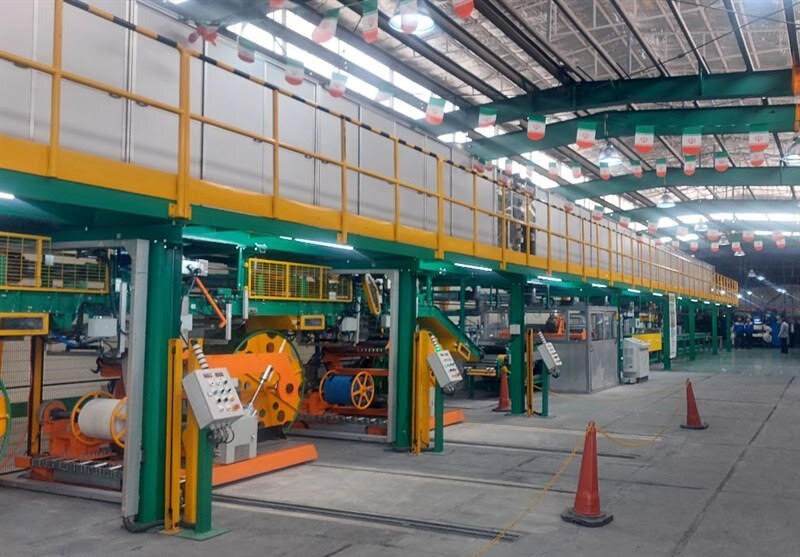
By obligating large industries to construct dedicated power plants for a portion of their electricity needs, the government seeks to decentralize generation and reduce strain on the national grid. The Deputy for Planning and Economic Affairs at Tavanir Company highlighted that industries have already begun moving in this direction, with approximately 100 to 200 megawatts of new capacity realized through these dedicated plants. This approach is crucial for both boosting supply and encouraging more responsible energy use among major industrial consumers, contributing to a more resilient and efficient energy infrastructure.
Green Board
A key innovation in Iran's energy market is the establishment of specialized boards on the Energy Exchange, such as the Green Board and the Free Board. The Green Board was specifically created to incentivize private sector investment in renewable power plants. This mechanism allows investors to offer their generated renewable electricity directly on the Energy Exchange, with other private sector entities acting as buyers. This market-based approach aims to accelerate the transition towards cleaner energy sources and diversify Iran's energy mix.
Complementing this, the Energy Savings Board was also unveiled, providing a novel financial model for investors focused on energy efficiency. Under this model, industries that invest in energy-saving measures can sell their saved electricity on the market, effectively monetizing their efficiency gains. This initiative has seen a remarkable increase in energy savings contracts, from just two per year to 59, particularly in lighting and cooling sectors, through upgrades like low-consumption motors and high-efficiency coolers. These boards collectively represent a significant departure from past practices, fostering a more dynamic and market-driven electricity sector.
140 mega-projects
In addition to market reforms, substantial investments have been made in physical infrastructure, particularly in the electricity transmission and distribution network. The article highlights the successful realization of 140 mega-projects, which were outlined in September of the previous year. These projects have effectively addressed and removed bottlenecks in transmission capacity, ensuring that generated electricity can be reliably delivered across the country. This infrastructure upgrade is critical for supporting the expanded generation capacity and maintaining grid stability.
Furthermore, the development of small-scale power plants, typically ranging from 2 to 5 megawatts, by the private sector at consumption sites is another strategic move. These localized plants not only provide direct support to the national network but also have the flexibility to offer their surplus electricity on the Free Board of the Energy Exchange. This decentralized generation model enhances grid resilience and reduces transmission losses, contributing to overall energy security. The official expressed gratitude for public cooperation, noting that these achievements were made despite challenging conditions, including "war and unprecedented heat," underscoring the collective effort in managing peak consumption periods.
Key points
- Iran's electricity generation capacity has increased significantly, with renewables growing from 1,250 MW to 5,600-7,000 MW and thermal plants adding 3,000 MW.
- The Green Board and Free Board on the Energy Exchange encourage private sector investment in renewable and thermal power generation.
- The Energy Savings Board allows industries to monetize energy efficiency investments by selling saved electricity, leading to 59 new contracts.
- The Seventh Development Plan mandates large industries to build dedicated power plants, with 100-200 MW already realized.
- 140 mega-projects have eliminated transmission bottlenecks, and small-scale private power plants are being developed at consumption sites.
The continued expansion of renewable and thermal power generation, coupled with successful market reforms like the Green Board and Energy Savings Board, could significantly enhance Iran's energy security and reduce reliance on traditional energy sources. Increased private sector participation and optimized consumption patterns promise a more stable and efficient electricity supply for the nation.
Despite recent gains, the persistent imbalance between electricity production and consumption, exacerbated by factors like unprecedented heat and potential geopolitical instability, could continue to strain Iran's grid. If consumption optimization efforts falter or new generation capacity doesn't keep pace with demand growth, the country might face renewed power shortages.