Rebuilding damaged industries to protect production, ensure financing supply chain stability
Iran is implementing a new strategy to rebuild industries damaged by an "US-Zionist imposed war," focusing on securing financing, modernizing units, and strengthening supply chain resilience.
Intelligence analysis by Gemini 2.5 Flash
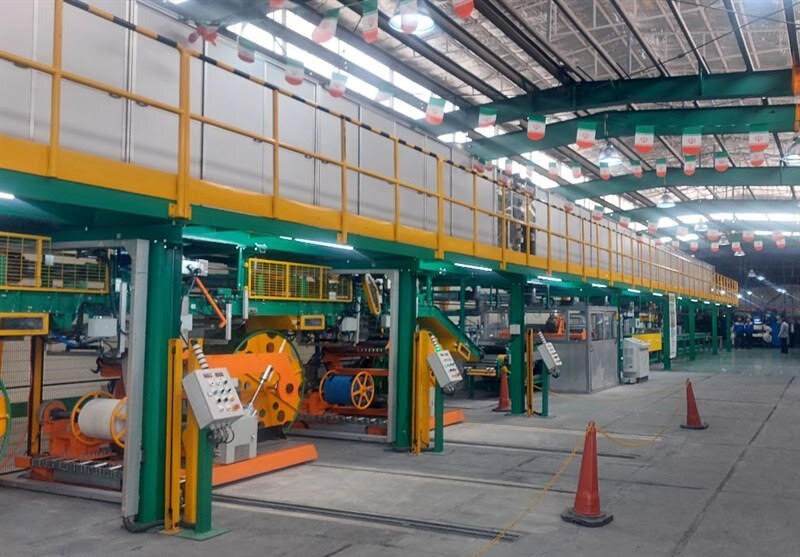
The Ministry of Industry, Mining and Trade is spearheading a comprehensive plan to restore Iran's industrial sector, which has suffered direct damage and supply chain disruptions. The strategy involves significant financial allocations, categorization of affected industries, and a specialized platform to facilitate reconstruction, aiming to protect production capacity and ensure econo…
Imagine some of Iran's factories got broken, like toys after a big storm. The government is now like a super repair team, giving money and special plans to fix them up. They want to make sure all the factories can keep making important things like food and medicine, so everyone has what they need and the country's 'making-stuff' system stays strong.
Analysis
Saeed Shojaei
Saeed Shojaei, the Deputy Minister for Planning at the Ministry of Industry, Mining and Trade, has been instrumental in securing the necessary financial backing for Iran's industrial reconstruction efforts. He announced that the cabinet has issued a permit for 100,000 billion tomans in facilities dedicated to rebuilding damaged industries. This substantial allocation underscores the government's commitment to revitalizing the sector.
However, the implementation of these funds is contingent on further approvals. Shojaei noted that the Supreme Supervisory Council on Banks must also give its consent for the facilities to be disbursed. Additionally, budgetary items, including the issuance of 25,000 billion tomans in bonds, require endorsement from higher authorities such as the heads of the three branches of government or the Supreme National Security Council, indicating a multi-layered approval process for critical financial measures.
Tahmoures Lahouti Ashkouri
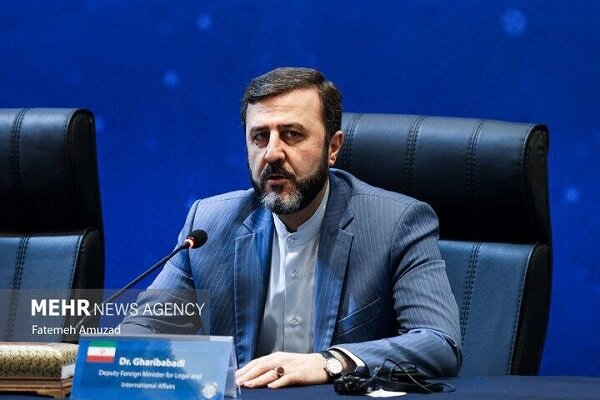
Tahmoures Lahouti Ashkouri, Deputy Minister of Industry, Mining and Trade and CEO of the Small Industries and Industrial Parks Organization of Iran, provided further insights into the operational aspects of the reconstruction plan. He emphasized that "protecting production capacities" and "reviving damaged industrial units" are the core objectives guiding the Ministry's agenda. His organization is particularly focused on maintaining stable production flows and meticulously monitoring the supply chain for essential goods, viewing this as a defensive priority to prevent disruptions across various economic links.
Lahouti Ashkouri highlighted the widespread impact of the damage, noting that industrial infrastructure across 17 provinces was affected, with one-third of the damaged units concentrated in vital industrial towns and zones. He identified financing as the primary obstacle to industrial reconstruction, revealing that a special support package, developed with the Ministries of Economy, Labor, and the Central Bank, is nearing final approval. This package includes provisions for allocating land in industrial towns with favorable terms and facilitating financial processes for over 1,500 industrial units to settle debts, thereby mitigating financial risks for enterprises.
100,000 billion tomans
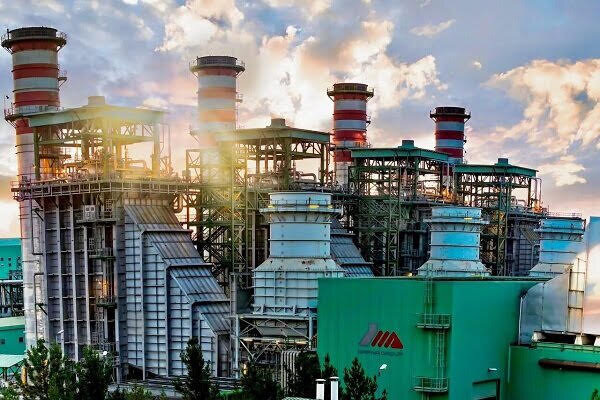
The allocation of 100,000 billion tomans in facilities represents a significant financial commitment by the Iranian government towards its industrial recovery. This substantial sum is intended to not only rebuild physical infrastructure but also to modernize industries and enhance their resilience against future disruptions. The strategy extends beyond mere physical reconstruction, aiming to preserve overall production capacity and strengthen supply chain stability, which is critical for national economic security.
To ensure effective utilization of these funds, industries are categorized into three groups: directly damaged, those affected within the supply chain, and small and vulnerable enterprises. Each category will receive tailored support packages and reconstruction programs. Furthermore, a specialized digital platform has been designed to register the specific afflictions of each company, connecting their needs with expert consultants to facilitate a swift and scientifically grounded reconstruction process, drawing lessons from past experiences like the Sacred Defense era.
Resource allocation within this framework will prioritize strategic sectors. Medical equipment, pharmaceutical, and food industries are at the forefront, alongside other "leading industries." This prioritization reflects their critical role as drivers for downstream chains and their importance in ensuring the stability of the entire industrial ecosystem, underscoring a strategic approach to national industrial regeneration.
Key points
- Iran is implementing a new strategy to rebuild industries damaged by an "US-Zionist imposed war" and strengthen supply chain resilience.
- The cabinet has approved 100,000 billion tomans in facilities for industrial reconstruction, requiring further approvals from banking and higher authorities.
- Industries are categorized into three types (directly damaged, supply chain damaged, small/vulnerable) with tailored support packages.
- A specialized digital platform will connect damaged companies with expert consultants for scientific reconstruction.
- Financing is identified as the main bottleneck, with a special support package drafted by multiple ministries nearing final approval.
- Resource allocation will prioritize medical equipment, pharmaceutical, food, and "leading industries" to ensure ecosystem stability.
The comprehensive strategy, backed by significant financial allocations and inter-ministerial cooperation, could lead to a robust recovery and modernization of Iran's industrial sector. Prioritizing strategic industries like medical and food production could enhance national self-sufficiency and economic resilience against future external pressures.
The multi-layered approval process for financing, involving various high-level government bodies, could introduce delays and bureaucratic hurdles, potentially slowing down the reconstruction efforts. Furthermore, the ongoing context of an "US-Zionist imposed war" implies persistent external challenges that could undermine long-term stability and investment.